Diébédo Francis Kéré
Born: 1965 | Gando, Boulgou Province, Upper Volta (modern Burkina Faso)
Practice: Kéré Architecture
Awards: Aga Khan Award (2004), Global Award for Sustainable Architecture (2009), Pritzker Prize (2022)
Projects: Gando Primary School, Gando School Extension, Gando Secondary School, Opera Village
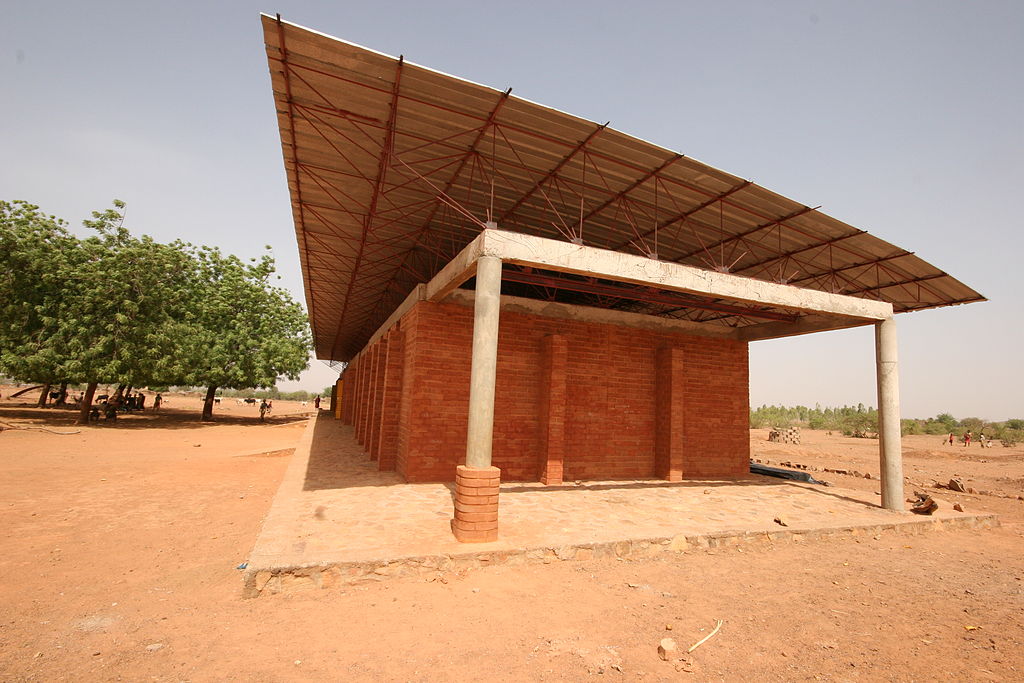
Primary School Gando, Gando, Burkina Faso (2001)
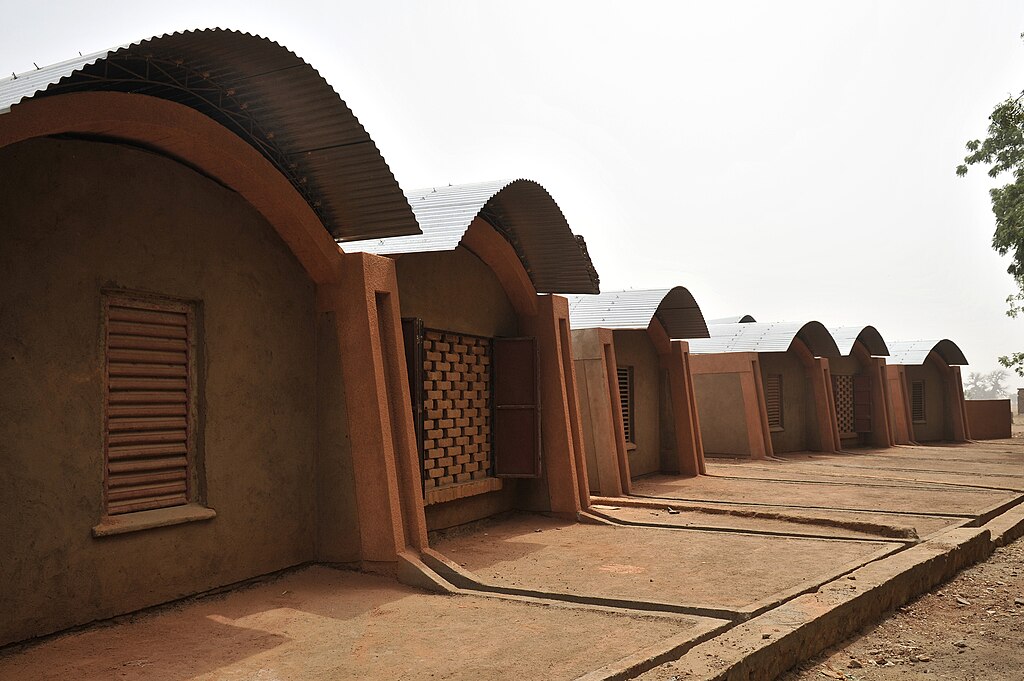
Teachers’ Residences (Gando Teachers’ Housing), Gando, Burkina Faso (2002-2004)
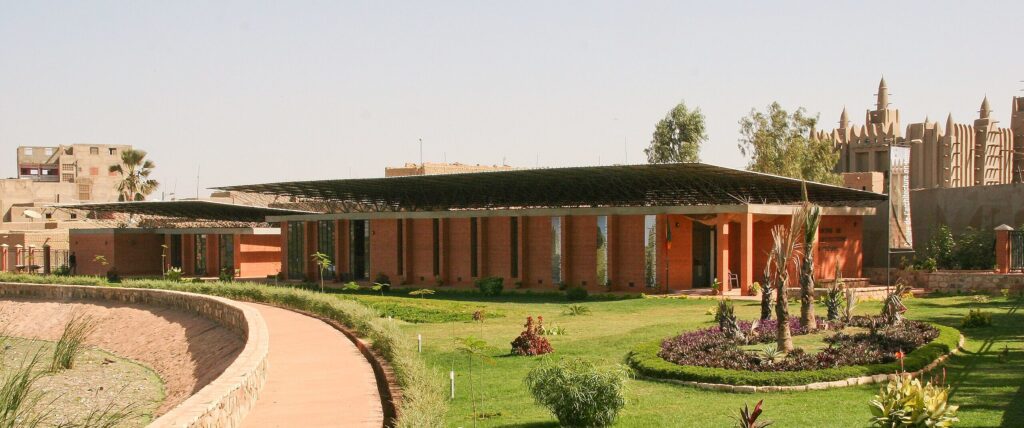
Centre for Earth Architecture, Mopti, Mali (2010)
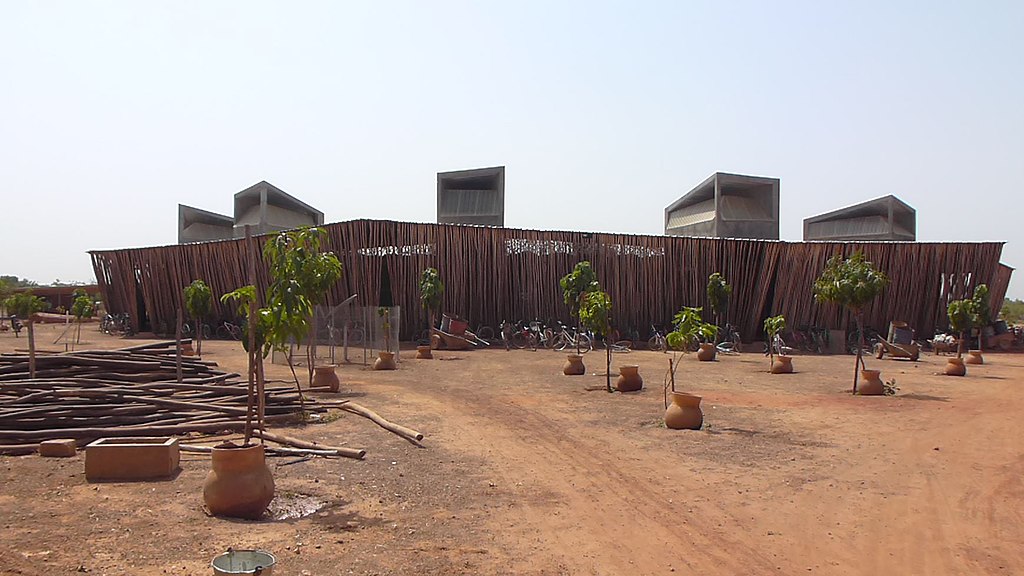
Lycée Schorge, Koudougou, Burkina Faso (2014-2016)
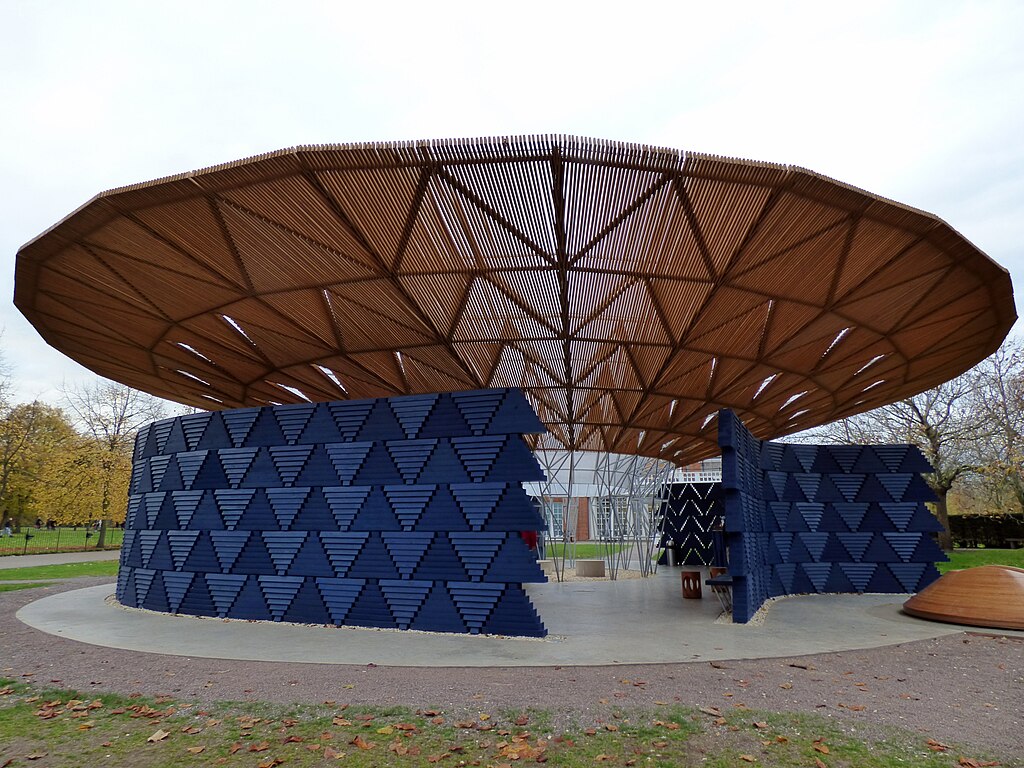
Serpentine Gallery 2017, London, U.K. (2017)
Secondary School Gando, Gando, Burkina Faso (2011 – 2018)
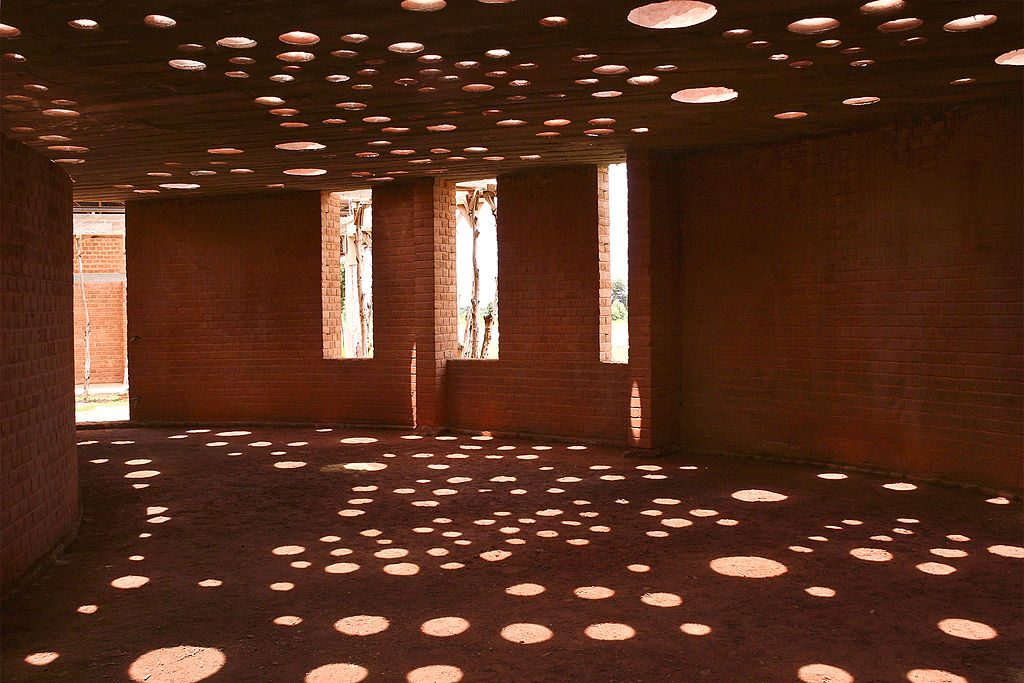
Gando School Library, Gando, Burkina Faso (2010 – 2018)
Diébédo Francis Kéré, a trailblazer in modern architecture, hails from Gando, Burkina Faso. Born in 1965, Kéré’s journey is one marked by resilience, innovation, and a deep commitment to social and environmental responsibility. He studied architecture at the prestigious Technische Universität Berlin, a decision that bridged his African roots with European architectural techniques and philosophies.
Kéré’s work is renowned for its unique blend of traditional Burkinabe construction methods and modern design principles. This fusion is not merely aesthetic but is deeply rooted in practicality and sustainability. His designs often incorporate local materials, primarily clay and wood, and are known for their innovative use of ventilation, natural light, and communal spaces. This approach not only makes his buildings environmentally sustainable but also culturally resonant and accessible to the local communities.
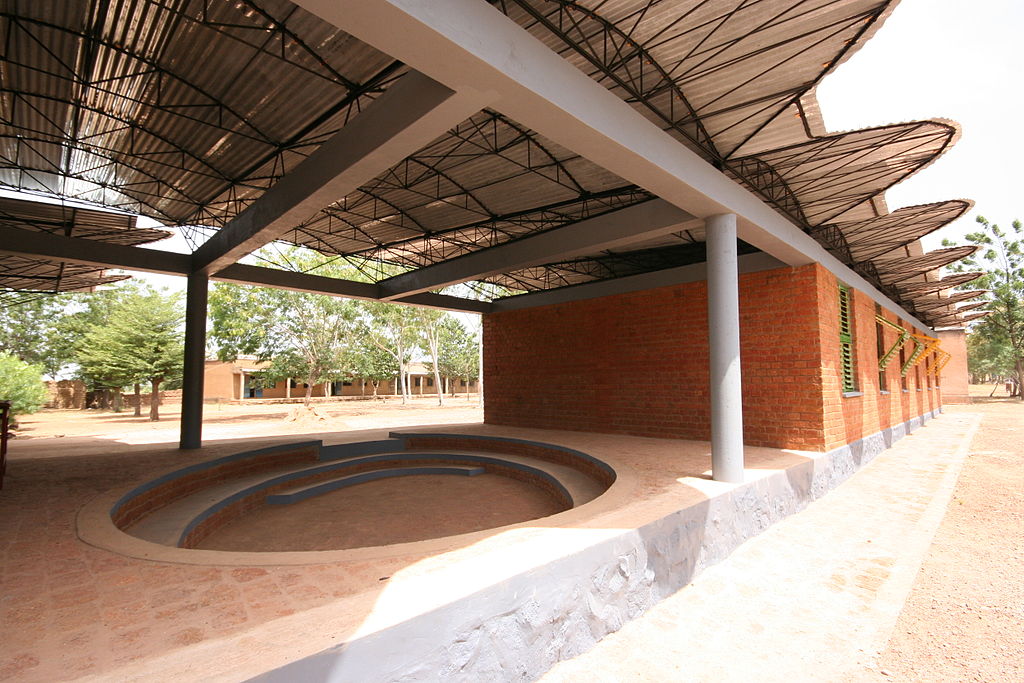
One of his most celebrated projects is the Gando Primary School, completed in 2001 in his native village. This project, which won the Aga Khan Award for Architecture in 2004, exemplifies Kéré’s philosophy. He utilized local materials and techniques, involving the community in the construction process. This not only reduced costs but also fostered a sense of ownership and pride among the villagers. The school’s design, with its emphasis on natural cooling and lighting, sets a benchmark for sustainable architecture in hot climates.
Kéré’s impact extends beyond individual projects. He is a prominent advocate for socially responsible and sustainable design in the global architectural community. His work emphasizes the role of architecture in community empowerment, education, and improving living conditions. Kéré’s approach challenges conventional notions of architecture, especially in the context of developing countries, where he advocates for designs that are both environmentally sustainable and deeply rooted in local cultures and needs.
As an educator and speaker, Kéré continues to inspire the next generation of architects. His philosophy underscores the importance of architecture as a tool for social change, blending aesthetics, sustainability, and community involvement. His accolades, including the prestigious Aga Khan Award and numerous other international honors, attest to his influence and visionary approach in the field of modern architecture.