I. M. Pei
Born: 1917 | Guangzhou, Guangdong, China
Died: 2019 | New York City, New York
Practice: I. M. Pei & Assoc., I. M. Pei & Partners, Pie Cobb Freed & Partners
Awards: AIA Gold Medal (1979), Pritzker Prize (1983), Praemium Imperiale (1989), Presidential Medal of Freedom (1992), RIBA Royal Gold Medal (2009)
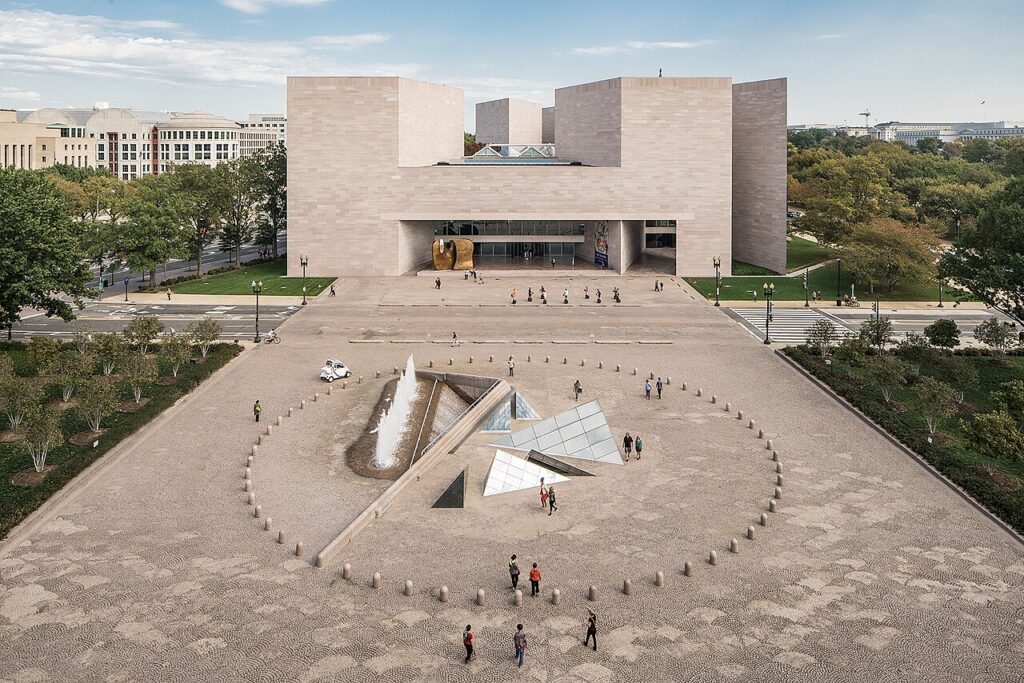
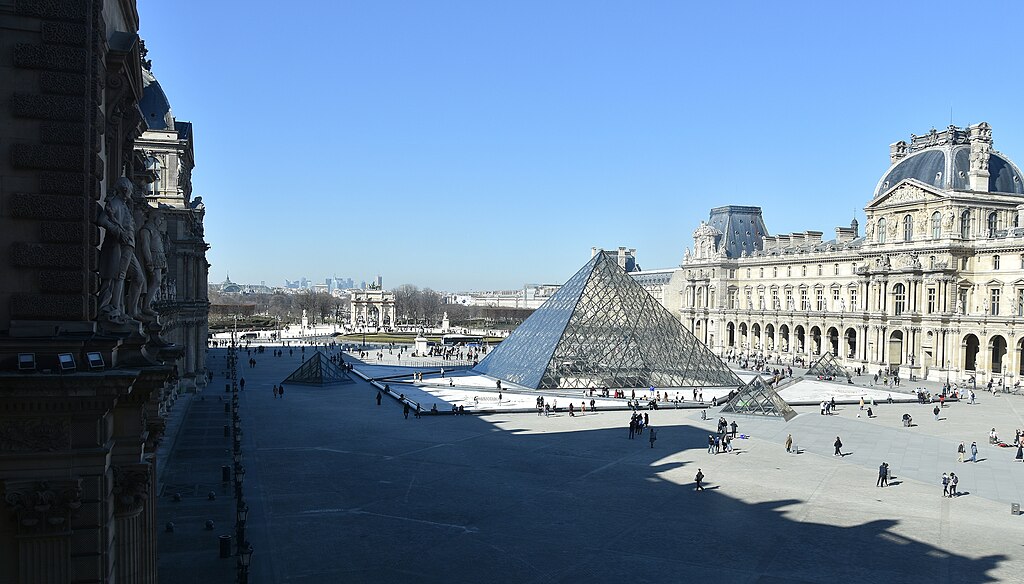
Projects: John F. Kennedy Library, National Gallery of Art East Building, Grand Lourve & Louvre Pyramid, John Hancock Tower
National Gallery of Art East Building, Washington, D.C. (1977)
Louvre Pyramid, Paris, France (1989)
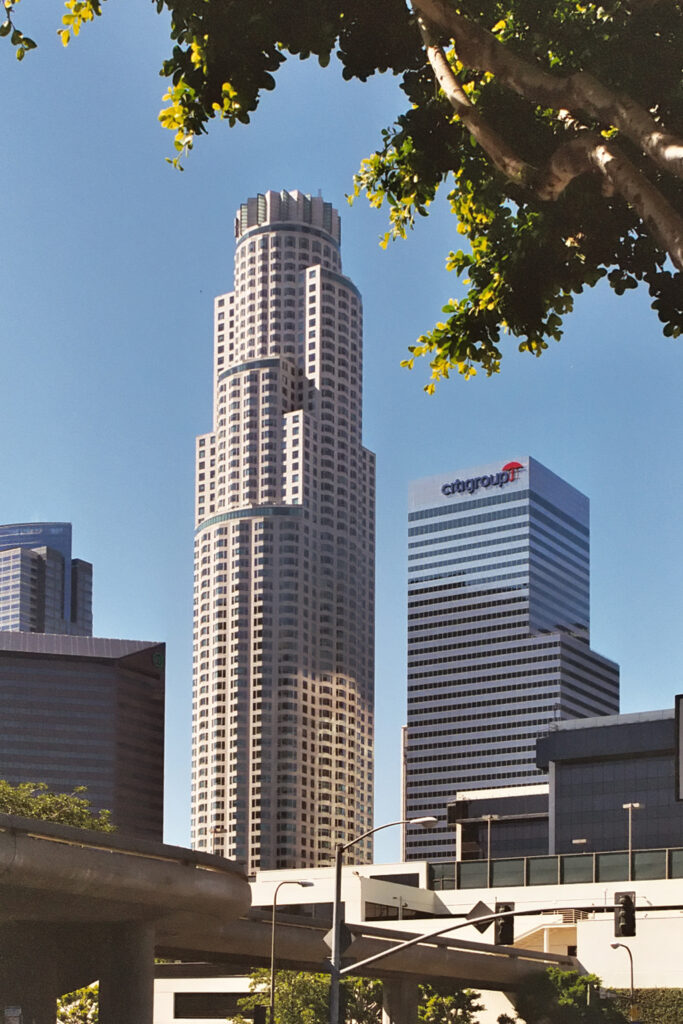
US Bank Tower, Los Angeles, California (1987-1989)
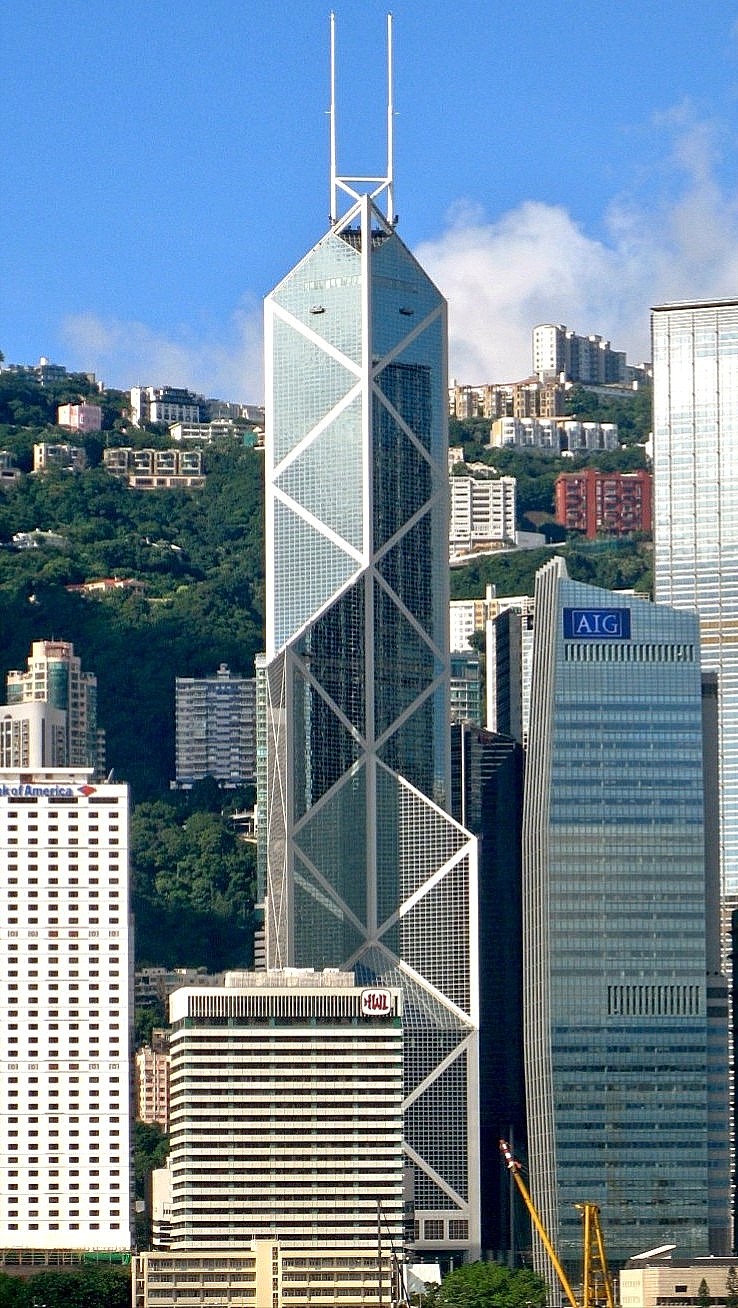
Bank of China Tower (BOC Tower), Hong Kong (1985-1989)
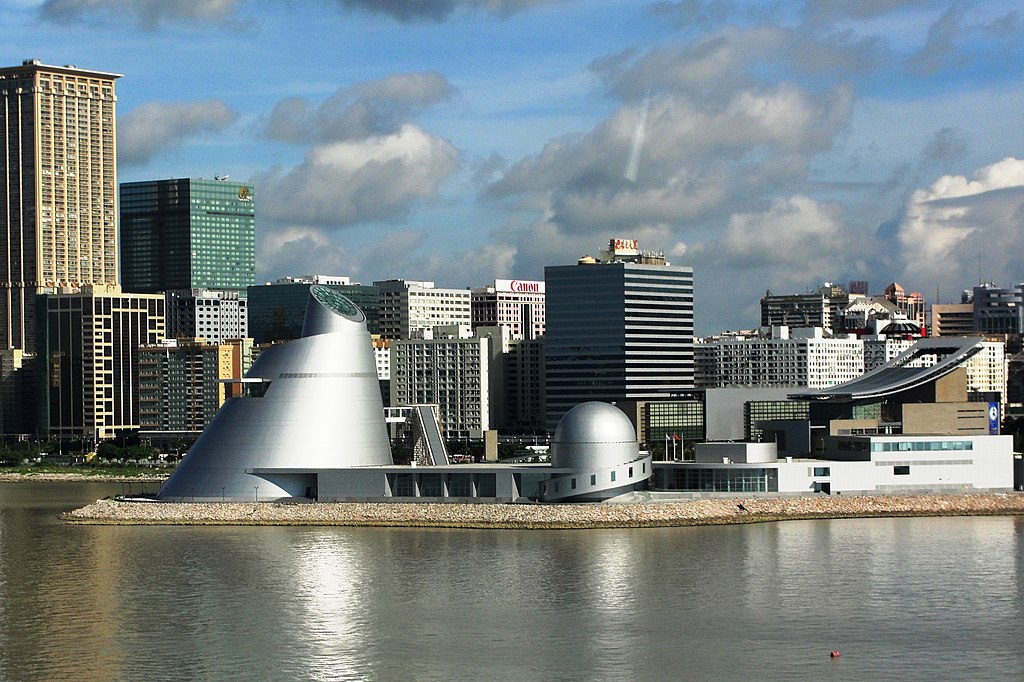
Macao Science Center, Sé, Macau, China (2009)
I.M. Pei, a titan of modern architecture, was born in Guangzhou, China, in 1917, and passed away in 2019. His work, which spans over seven decades, is celebrated for its unique blend of traditional architectural elements with modernist aesthetics.
Pei’s early life in China laid the foundation for his future architectural philosophy. He grew up in a wealthy family, and his early exposure to traditional Chinese architecture deeply influenced his design ethos. He moved to the United States at the age of 18 to study architecture, first at the University of Pennsylvania and then at the Massachusetts Institute of Technology (MIT). He further honed his skills at the Harvard Graduate School of Design, where he was influenced by the teachings of Walter Gropius, a pioneer of modernist architecture.
One of Pei’s first major projects was the National Center for Atmospheric Research in Boulder, Colorado, which showcased his ability to blend a modernist aesthetic with a location’s natural landscape. However, it was the John F. Kennedy Presidential Library in Boston that truly established Pei as a master architect. This project exemplified his skill in creating structures that were both functionally efficient and visually striking.
Pei’s most famous work is undoubtedly the glass pyramid at the Louvre Museum in Paris. Initially controversial, the pyramid has since become an iconic symbol of the blending of contemporary and classical architectural styles. This project exemplifies Pei’s philosophy of honoring history while pushing the boundaries of modern design.
Throughout his career, Pei received numerous awards and honors, including the prestigious Pritzker Prize in Architecture. His works are characterized by their geometric forms, incorporation of natural light, and clear lines, all of which reflect his belief that architecture is a form of art that can profoundly influence society.
Pei’s legacy is not just in the buildings he designed but also in his approach to architectural design. He believed in the importance of understanding a building’s context – culturally, historically, and environmentally. This philosophy continues to influence architects around the world, making I.M. Pei a true visionary in the field of modern architecture.