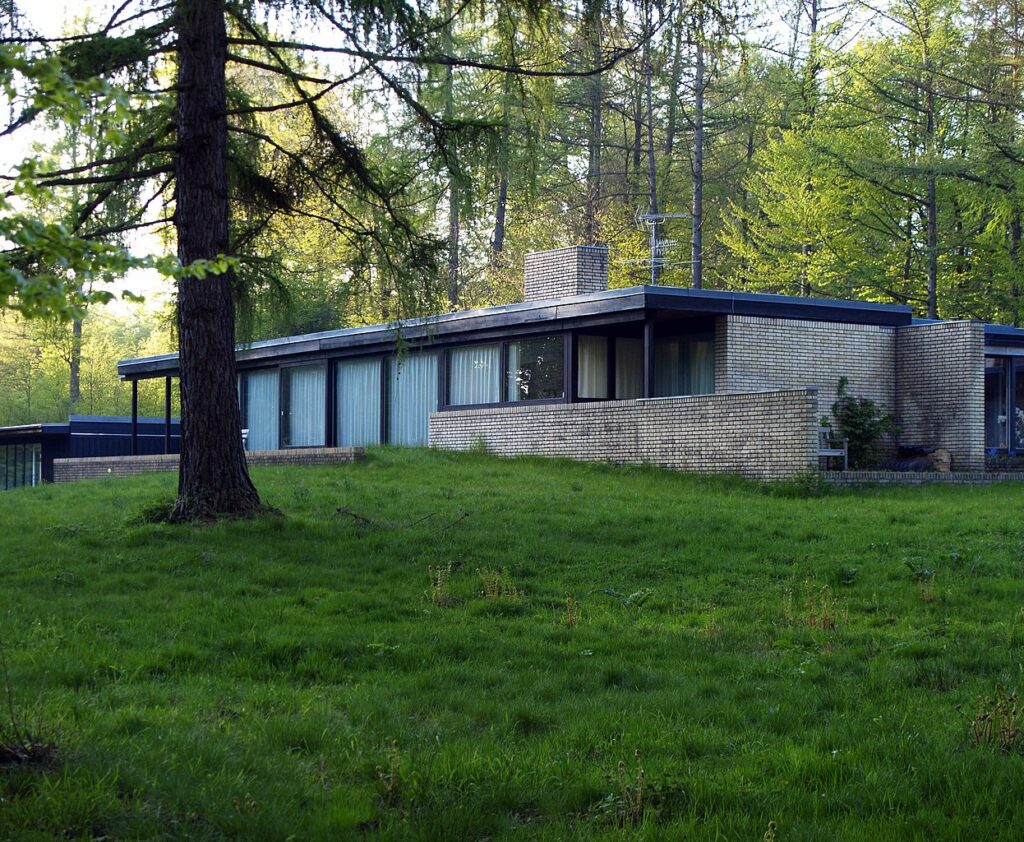
Jørn Utzon

Born: 1918 | Copenhagen, Denmark
Died: 2008 | Helsingør, Denmark
Awards: Prizker Prize (2003)
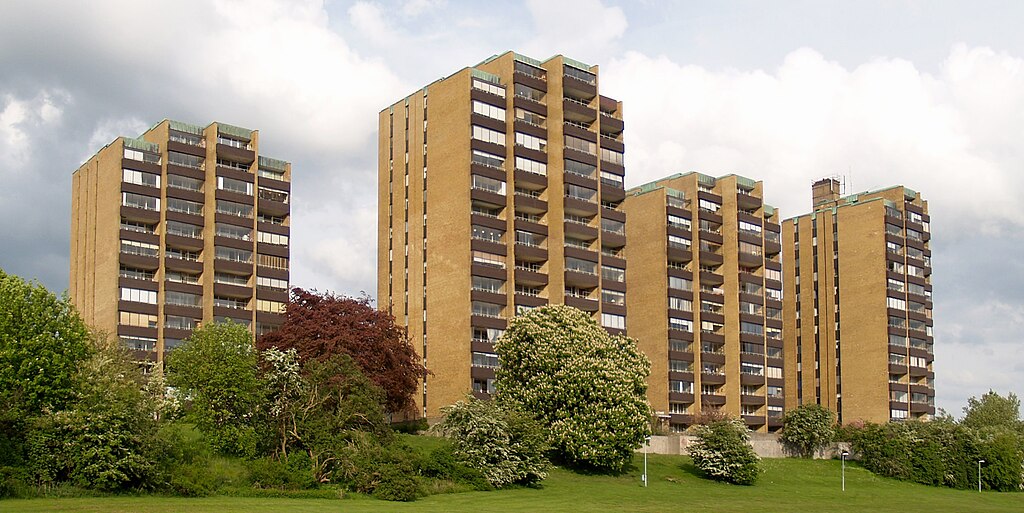
Projects: Bagsærd Church, Kuwait National Assembly Building, Sydney Opera House, Kingo Houses

Sydney Opera House, Sydney, Australia (1973)
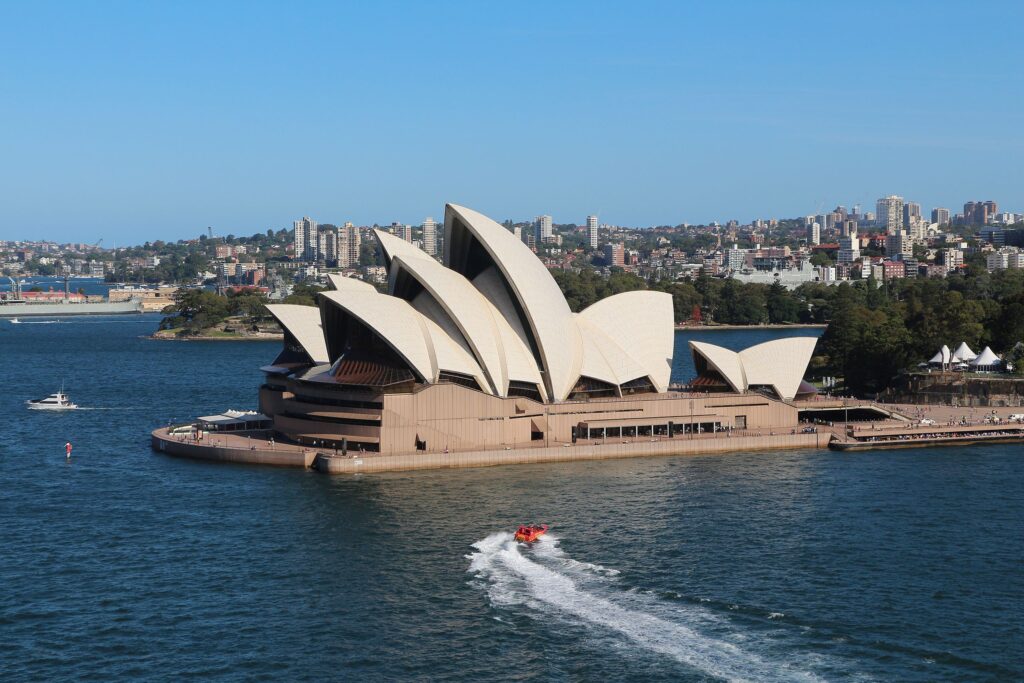
Sydney Opera House by Jørn Utzon © Bernard Gagnon CC BY-SA 3.0 via Wikimedia Commons

Jørn Utzon, a Danish architect born in 1918, is universally celebrated for his significant contribution to modern architecture. His most iconic work, the Sydney Opera House, has become synonymous with innovative design and is recognized as a masterpiece of the 20th century.

Utzon’s journey in architecture began with his graduation from the Royal Danish Academy of Fine Arts in Copenhagen in 1942. His early career was marked by a series of travels, during which he absorbed a variety of architectural styles and philosophies. This exposure to different cultures and architectural traditions deeply influenced his design ethos, leading to a unique blend of organic modernism in his works.

The turning point in Utzon’s career came in 1957 when he won the international competition to design the Sydney Opera House. His design, featuring a series of shell-like structures, was groundbreaking and set a new benchmark for modern architecture. However, his journey with the Opera House was fraught with challenges, leading to his resignation from the project before its completion in 1973. Despite this, the Opera House remains a testament to his visionary approach.

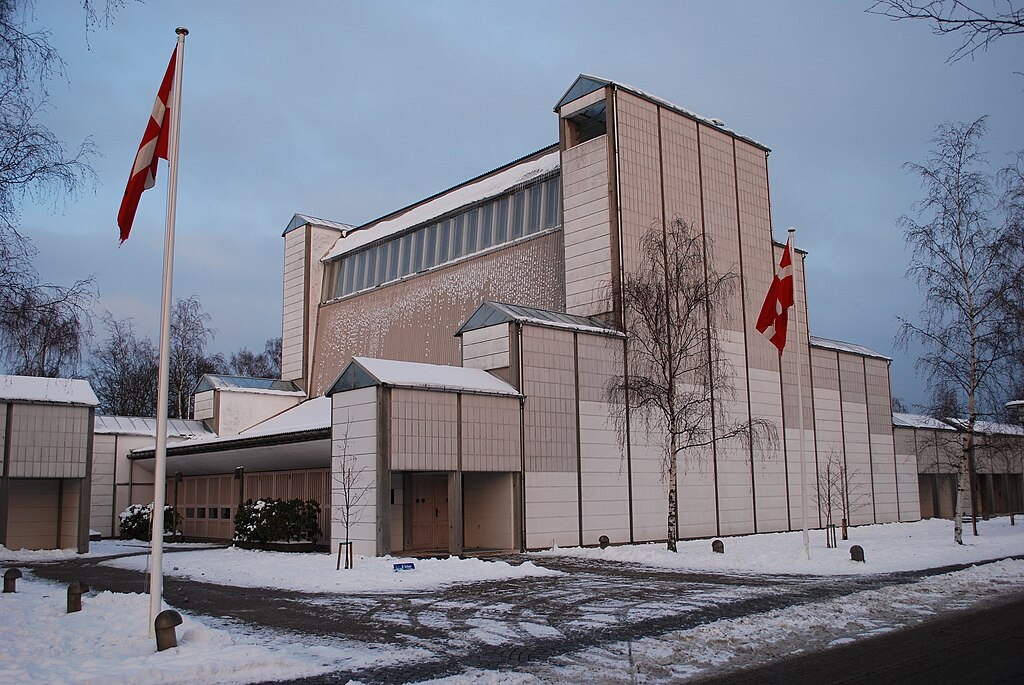
Beyond the Sydney Opera House, Utzon’s body of work includes remarkable projects such as the Bagsværd Church in Denmark, which is lauded for its light-infused interiors and undulating ceiling, reminiscent of cloud formations. His design philosophy often embraced the interaction between architecture, nature, and light, resulting in structures that appeared to be in harmony with their surroundings.

Throughout his career, Utzon received numerous accolades, including the prestigious Pritzker Architecture Prize in 2003. His legacy continues to influence and inspire architects worldwide, ensuring his place as one of the great visionaries of modern architecture. His commitment to creating not just buildings, but experiences, redefined architectural practice and aesthetics in the 20th century.