Richard Rogers
Born: 1933 | Florence, Tuscany, Italy
Died: 2021 | London, England
Practice: Rogers Stirk Harbour + Partners (2007-2020)
Awards: RIBA Gold Medal (1985), Thomas Jefferson Medal (1999), Praemium Imperiale (2000), Sterling Prize (2006, 2009), Pritzker Prize (2007)
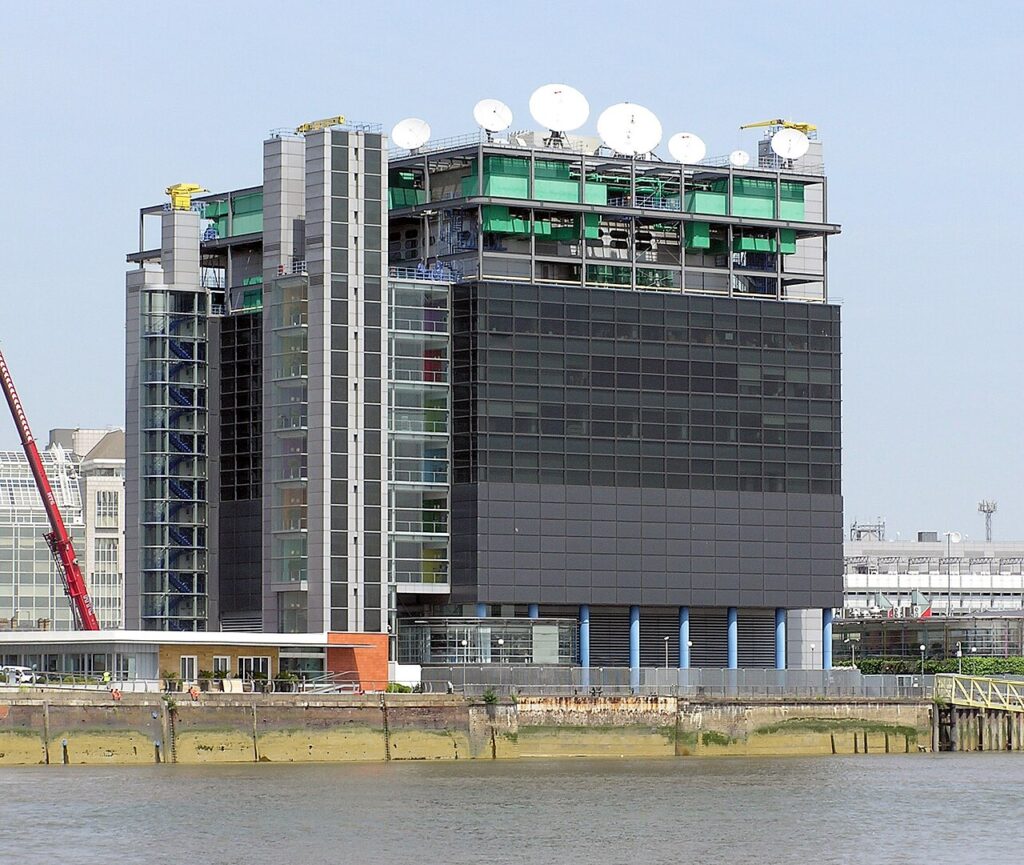
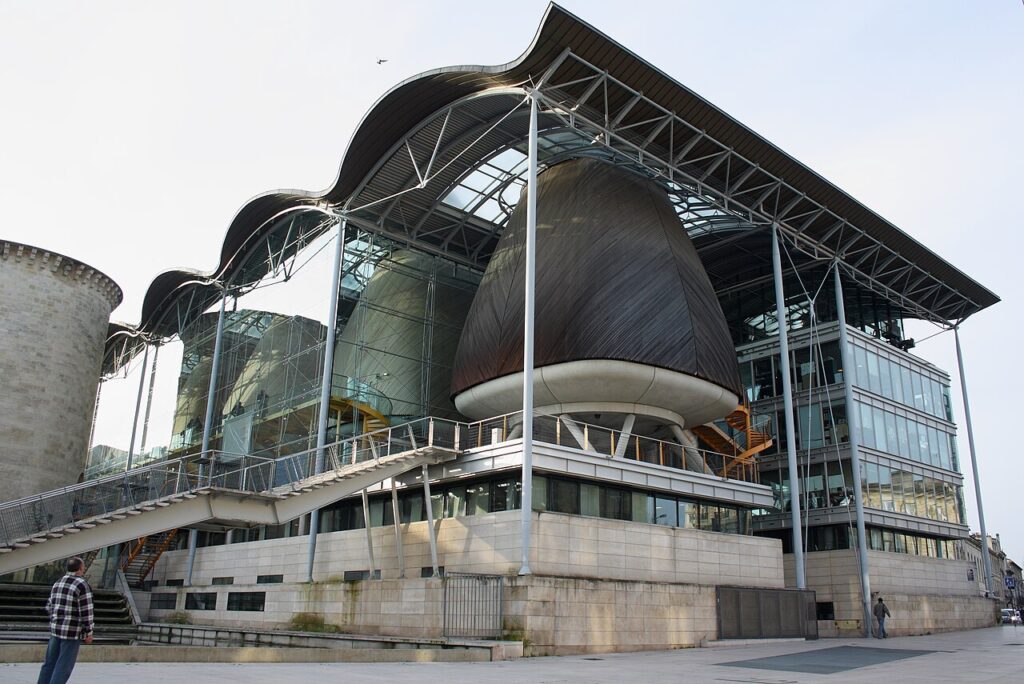
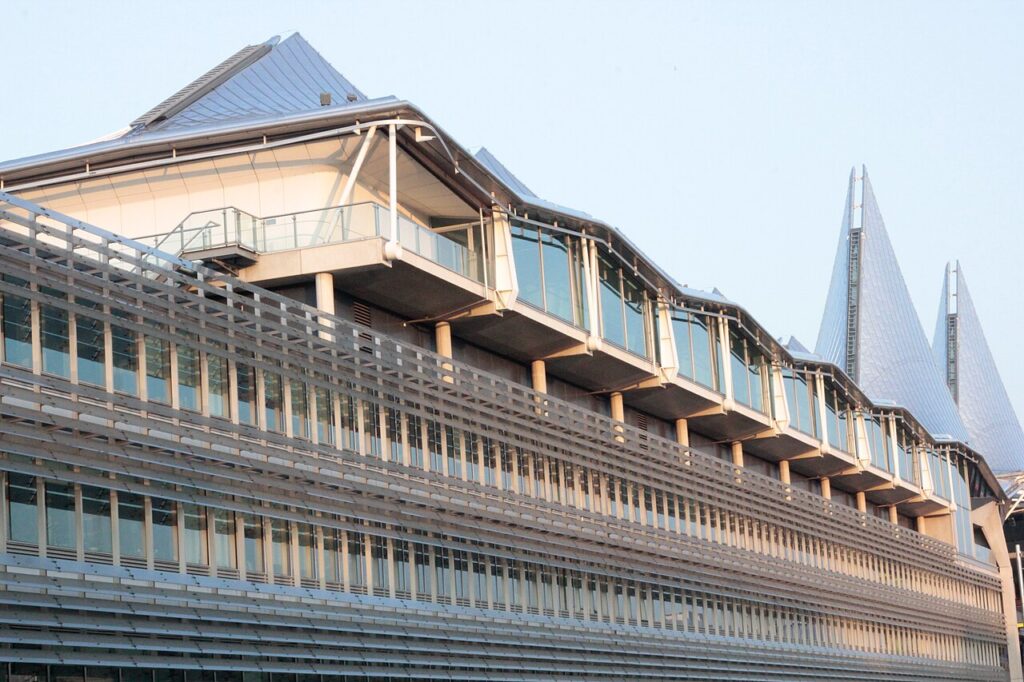
Projects: Centre Georges Pompidou, Lloyd’s Building, Millennium Dome, European Court of Human Rights, Madrid-Barajas Airport Terminal 4, Heathrow Airport Terminal 5, Send
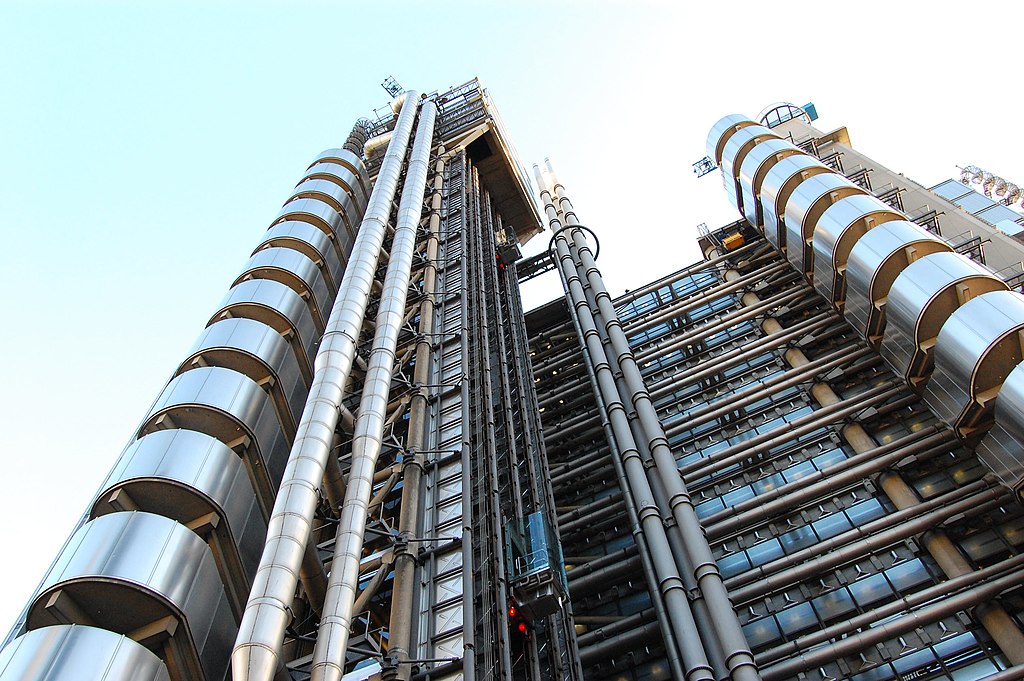
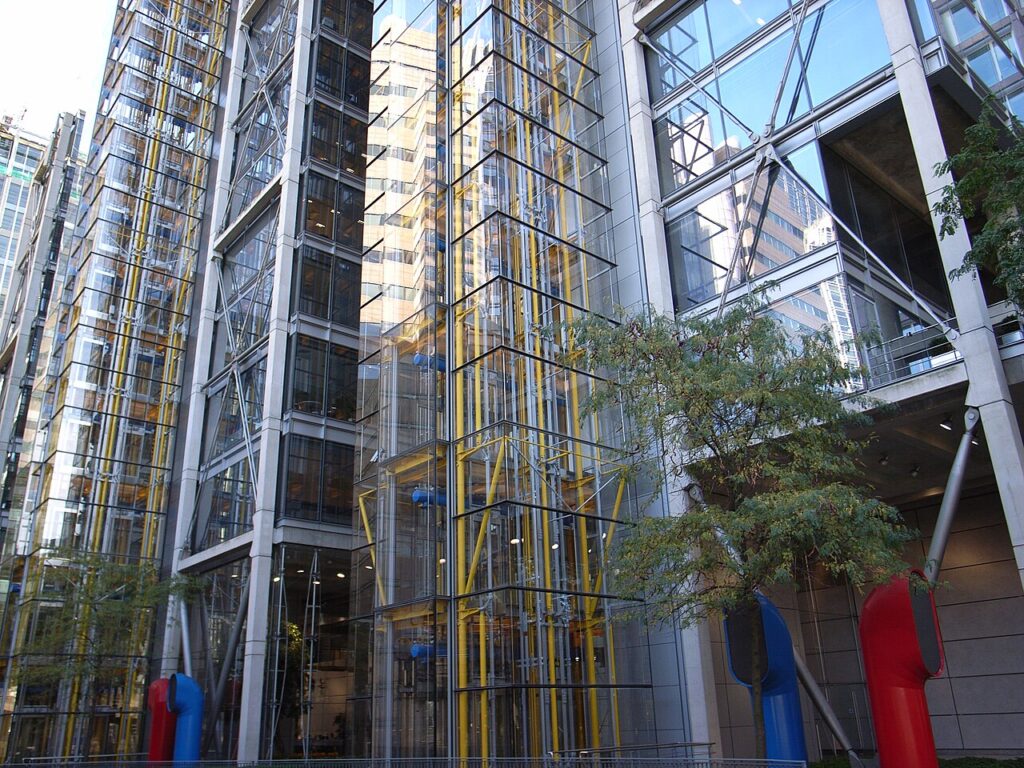
Lloyd’s Building City of London, UK (1978-1986)

Richard Rogers was a renowned British architect, celebrated for his innovative contributions to modern architecture. Born on July 23, 1933, in Florence, Italy, Rogers was a prominent figure in the architectural movement known as High-Tech, which revolutionized the design of buildings in the late 20th century.
Rogers’ early life was marked by transcontinental influences. His family moved to England in 1938, where he later studied at the Architectural Association School of Architecture in London. His education continued at Yale University in the United States, where he met Norman Foster, another future luminary in modern architecture. This period was crucial in shaping Rogers’ architectural vision, as he was exposed to a myriad of cultural and architectural influences.
Rogers’ work is distinguished by its emphasis on functionality, technological innovation, and the expressive use of materials. His designs often feature structural elements and service components, such as ducts and elevators, on the exterior of buildings. This approach not only celebrates the industrial aesthetic but also maximizes internal space.
One of Rogers’ most famous projects is the Centre Georges Pompidou in Paris, designed in collaboration with Renzo Piano. Completed in 1977, the Pompidou Centre is a landmark in High-Tech architecture, characterized by its exposed skeleton of brightly colored tubes for mechanical systems, and its innovative layout which places structural and functional elements externally to create an unobstructed interior space.
Another significant project of Rogers is the Lloyd’s Building in London, completed in 1986. Like the Pompidou Centre, the Lloyd’s Building showcases Rogers’ signature style of exposing the building’s services on the exterior, a design which has since become a hallmark of modern architectural practice.
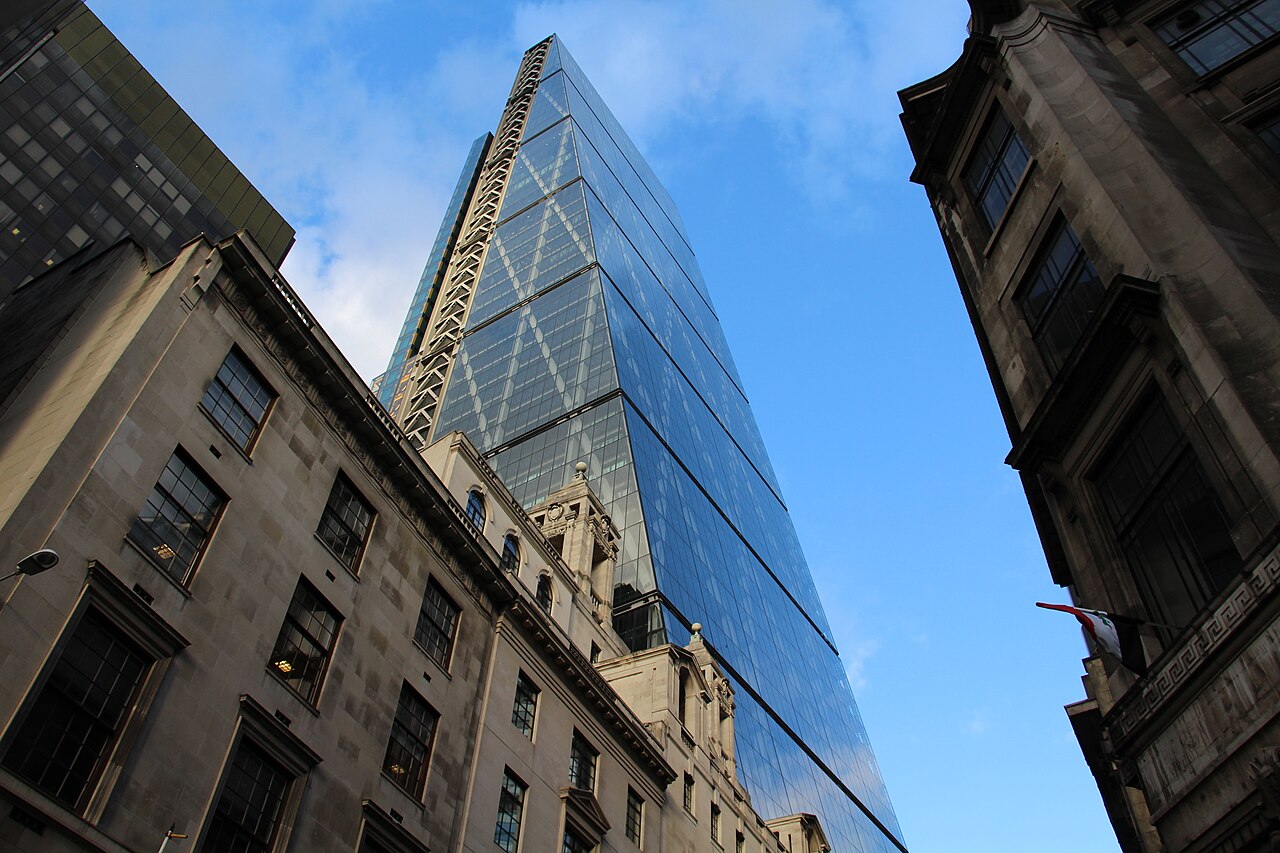
Throughout his career, Rogers also focused on sustainable design and urban planning. He advocated for buildings that are not only aesthetically pleasing but also socially responsible, energy-efficient, and environmentally friendly. His commitment to sustainability is evident in projects like the Leadenhall Building in London, known for its energy efficiency and innovative use of space.
Rogers’ contributions to architecture extend beyond his designs. He was a vocal advocate for public spaces and urban regeneration, believing that architecture should serve the needs of society and enhance the public realm. His influence is also seen in his numerous publications and his role as an advisor to various governments on urban policy issues.
Richard Rogers’ legacy in modern architecture is profound. His innovative approach to design, combined with his commitment to sustainability and urban regeneration, has left an indelible mark on the architectural landscape of the 20th and 21st centuries. His works continue to inspire and influence architects and designers around the world.