Fumihiko Maki
Born: 1928 | Tokyo, Japan
Died: 2024 | Tokyo, Japan
Practice: Maki and Associates
Awards: Pritzker Prize (1993), AIA Gold Medal (2011)
Projects: Yerba Buena Center for the Arts, Mildred Lane Keper Art Museum, 4 World Trade Center, United Nations Headquarters Expansion
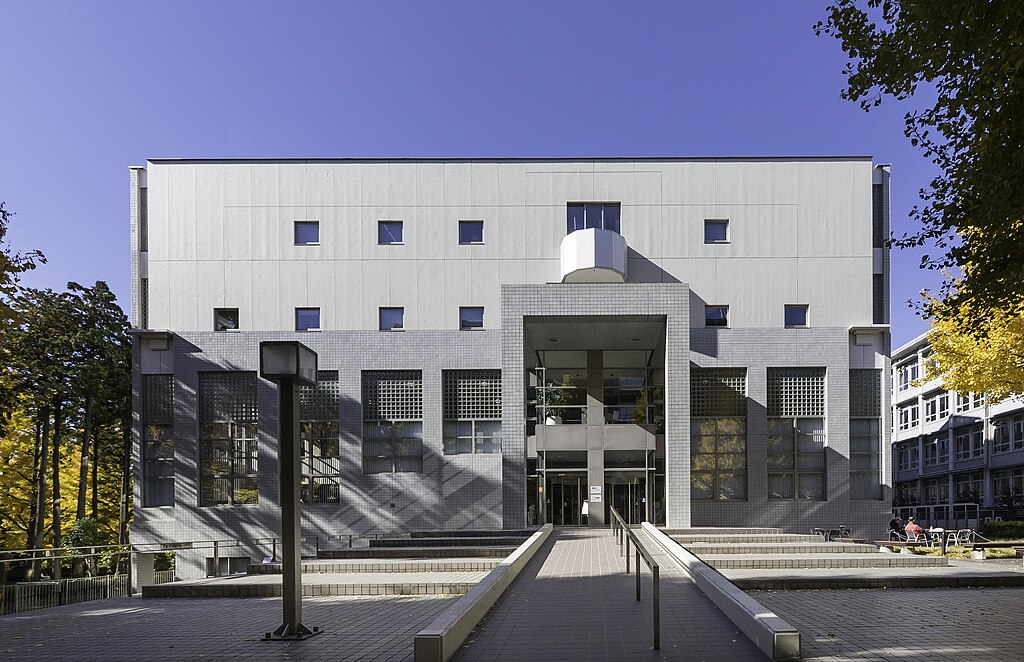
Keio University Hiyoshi, Yokohama City, Kanagawa Prefecture, Japan (1934)
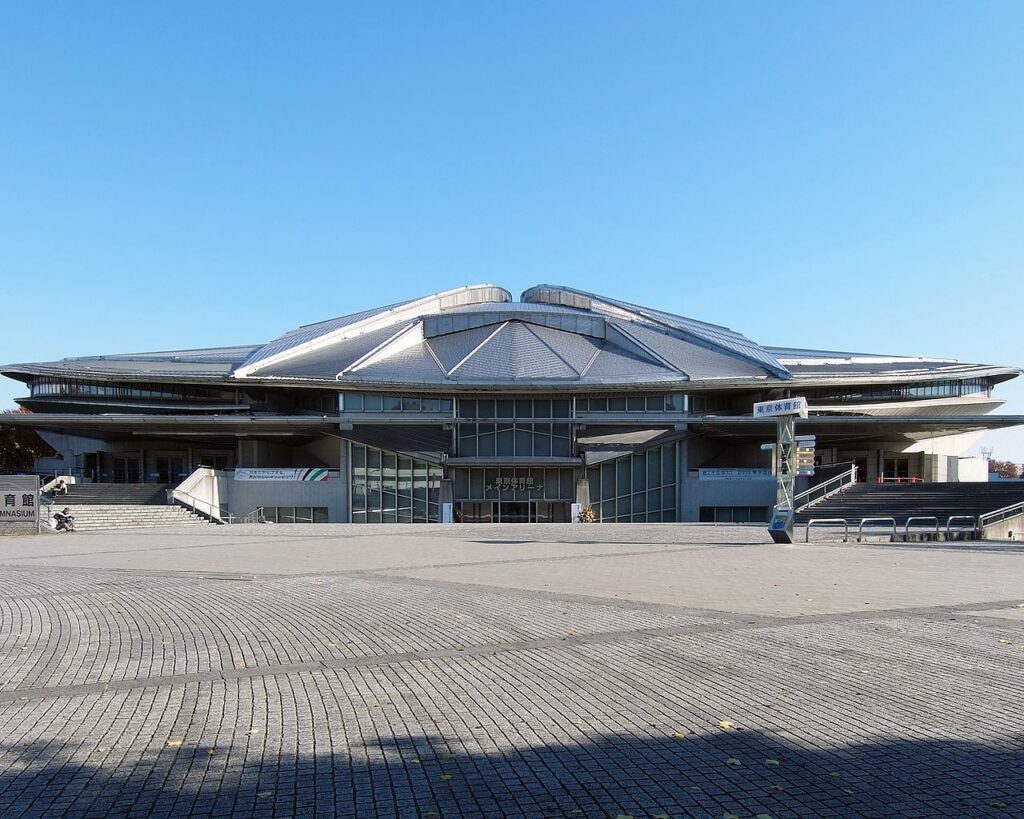
Tokyo Metropolitan Gymnasium, Shibuya, Tokyo, Japan (1952-1954)
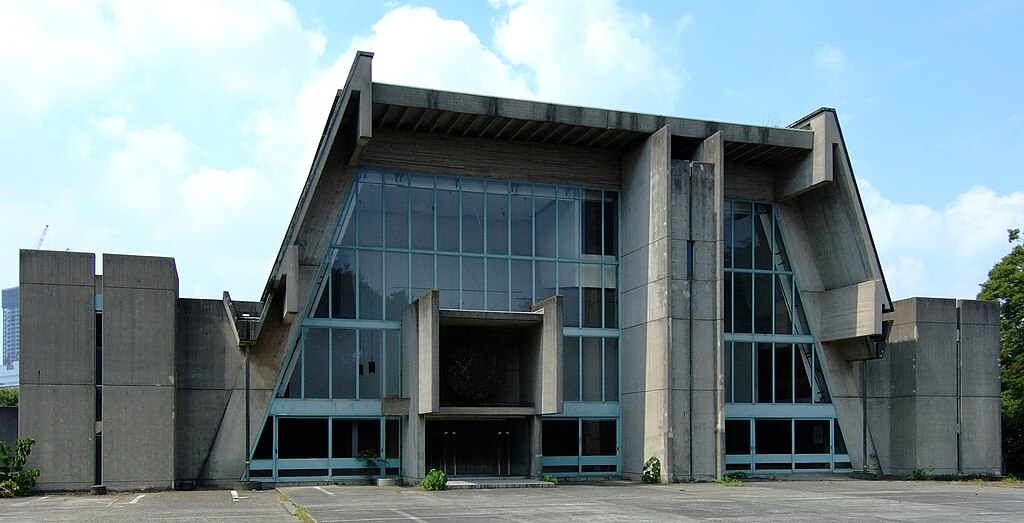
Chiba University Inohana Memorial Hall, Chiba City, Japan (1963)
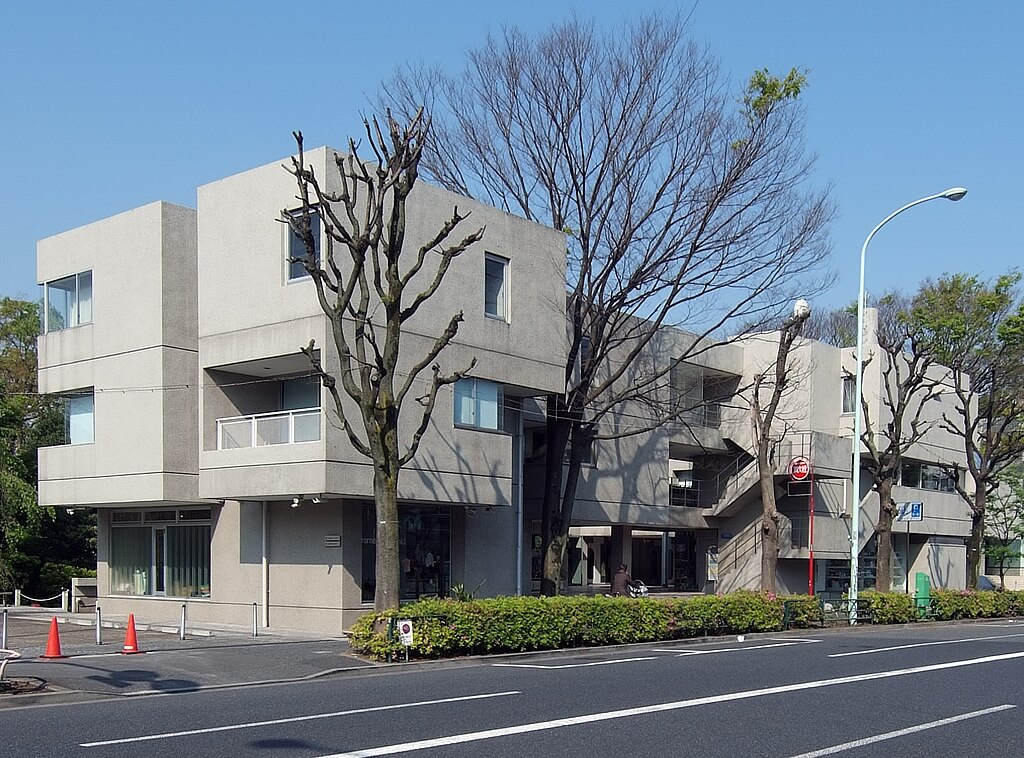
Hillside Terrace C, Shibuya, Tokyo, Japan (1973)
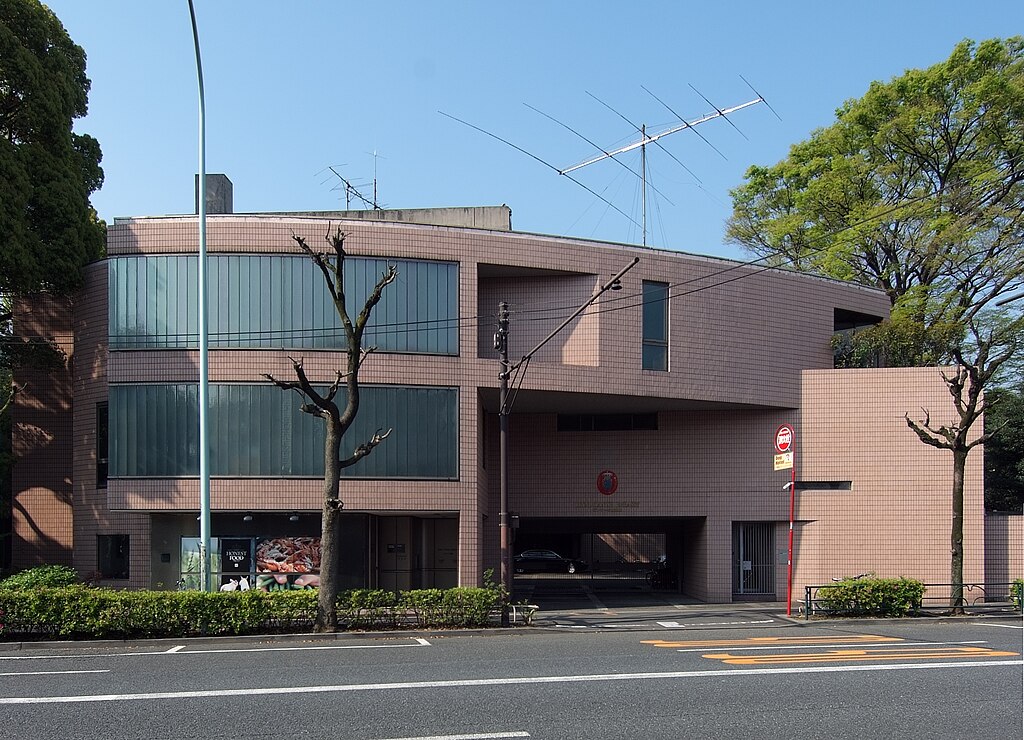
Royal Danish Embassy Japan, Shibuya, Tokyo (1979)
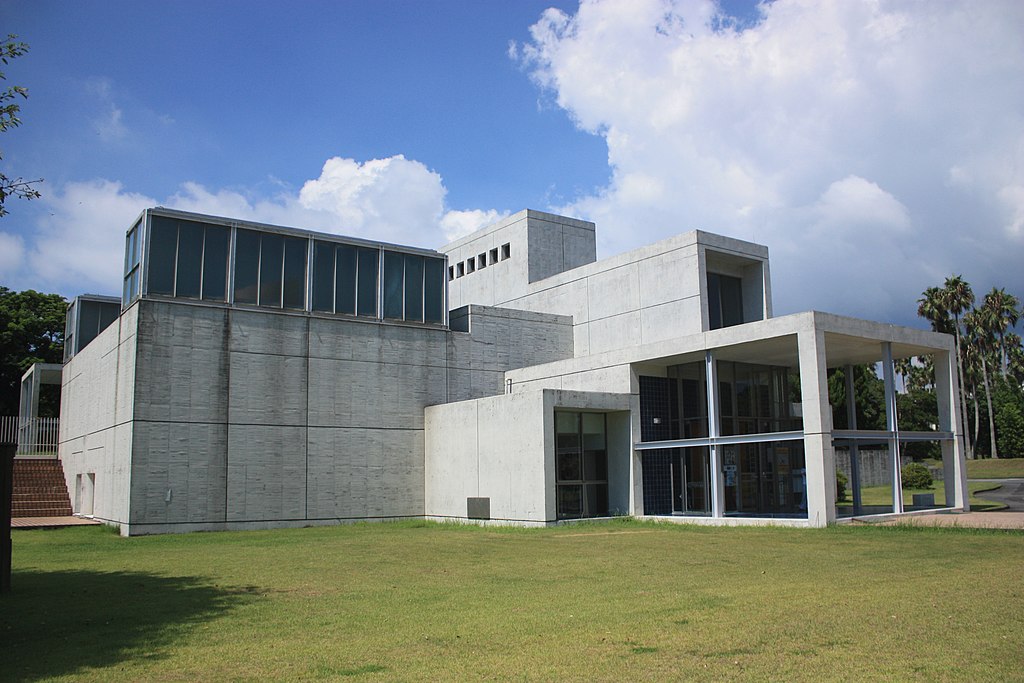
Iwasaki Art Museum, Ibusuki, Kagoshima, Japan (1983)
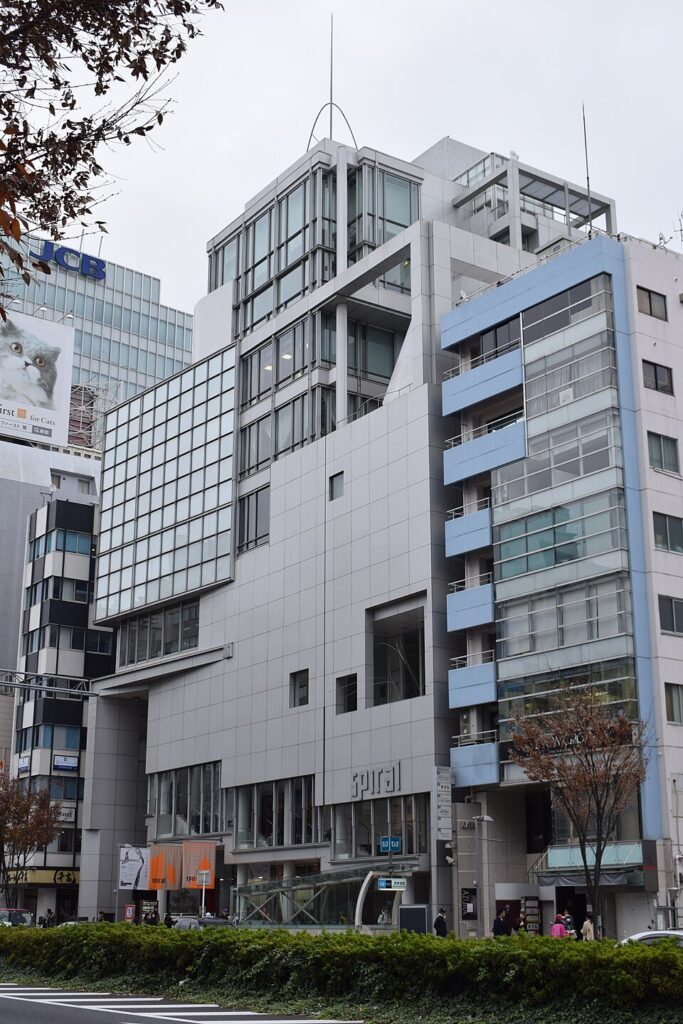
Spiral Building, Aoyama, Tokyo, Japan (1985)
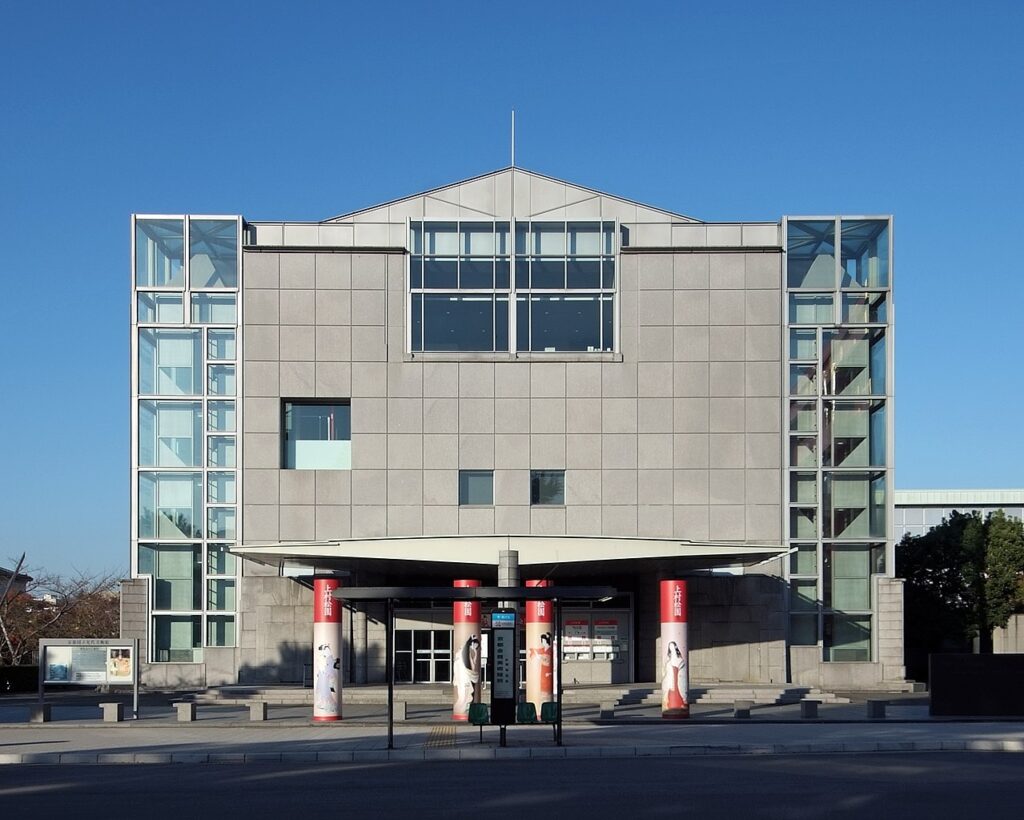
Kyoto Modern Art Museum, Kyoto, Japan (1986)
TEPIA Advanced Technology Gallery, Minato City, Tokyo, Japan (1989)
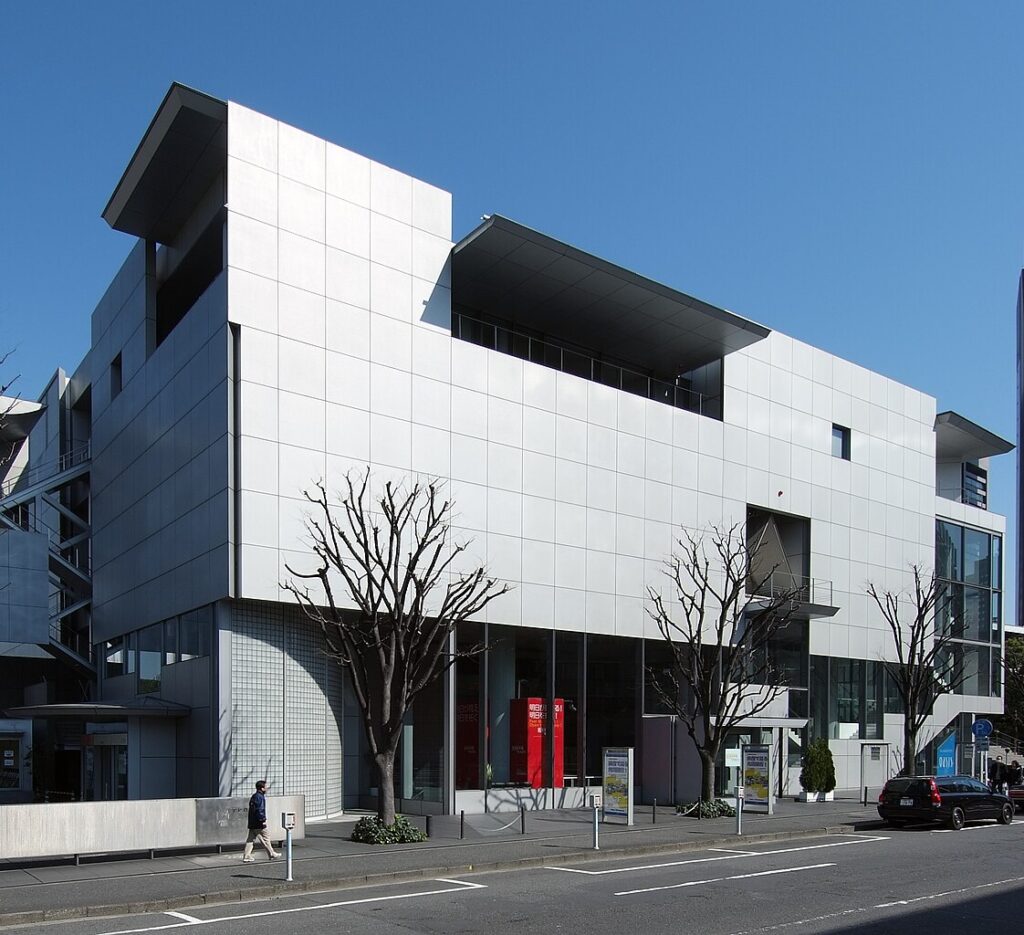
Tokyo Church of Christ, Tokyo, Japan (1995)
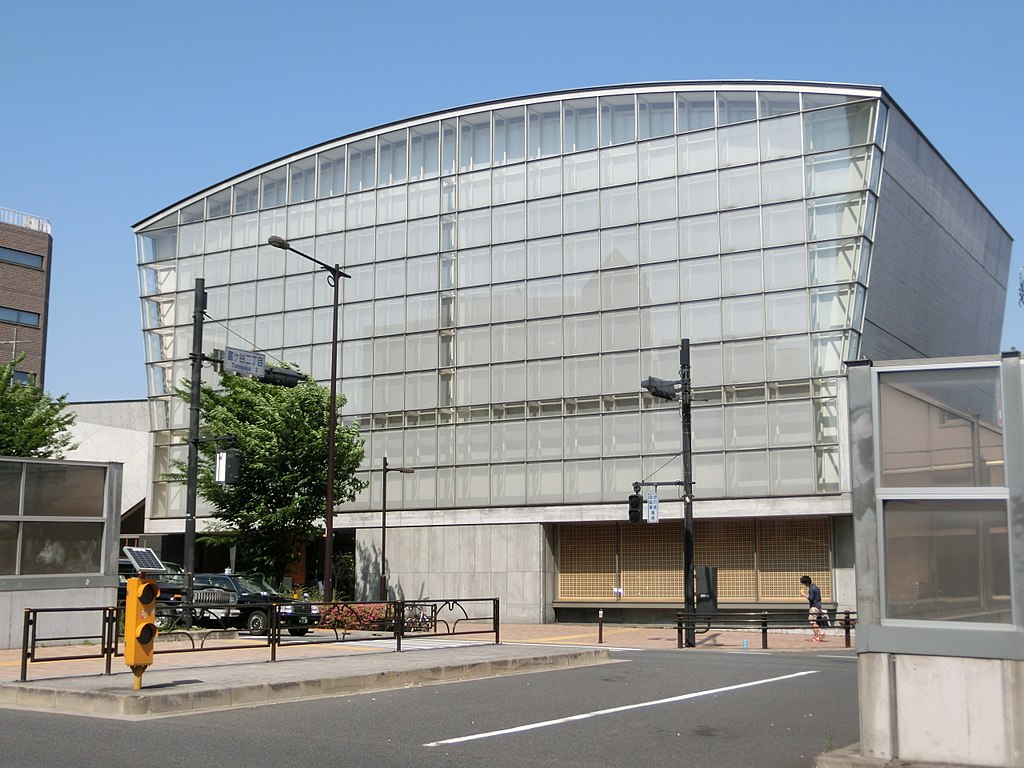
Yokohama Island Tower, Yokohama, Japan (2000-2002)
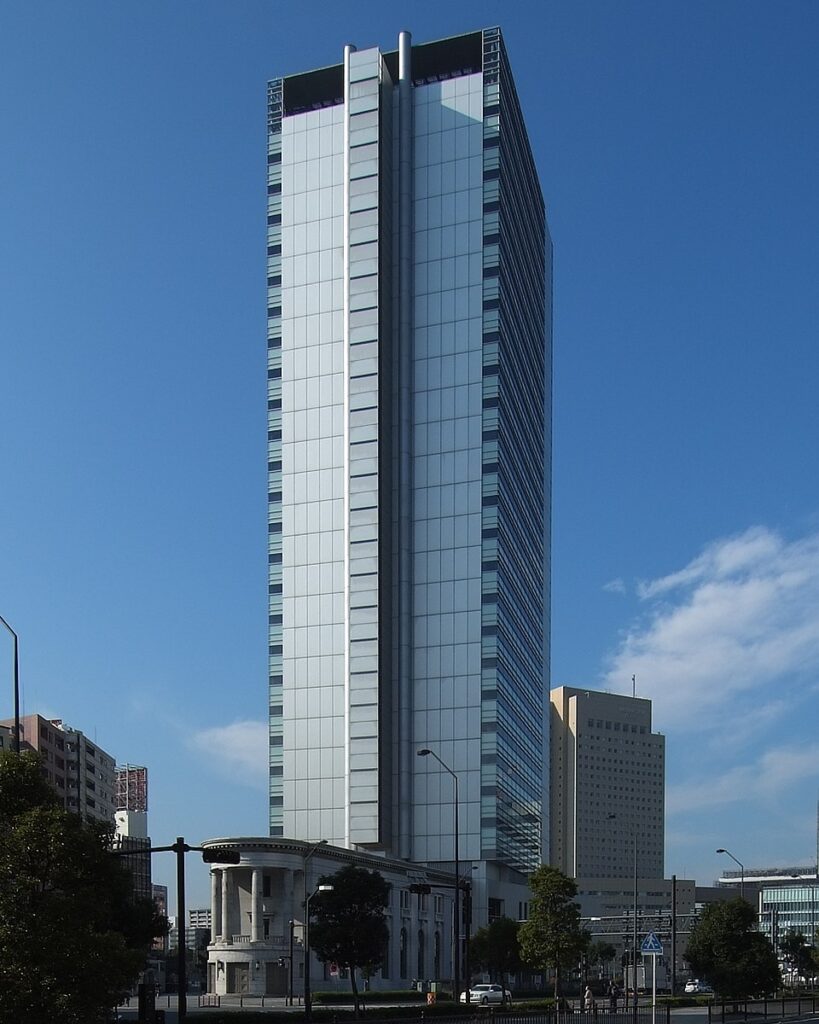
TV Asahi Headquarters, Minato, Tokyo, Japan (2003)
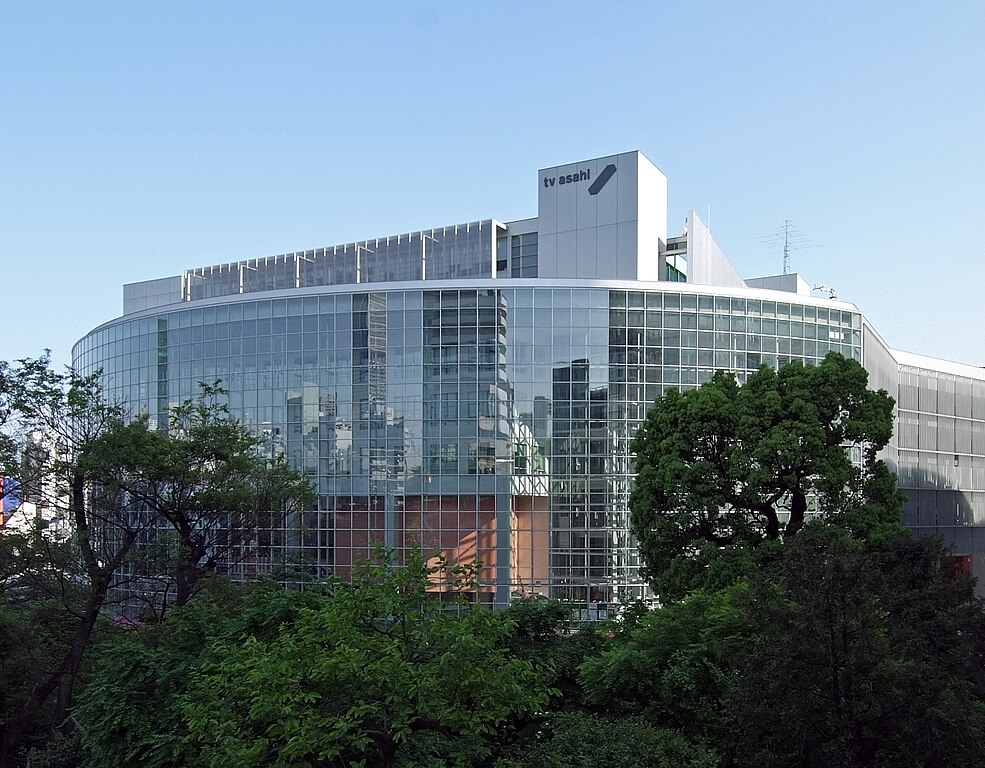
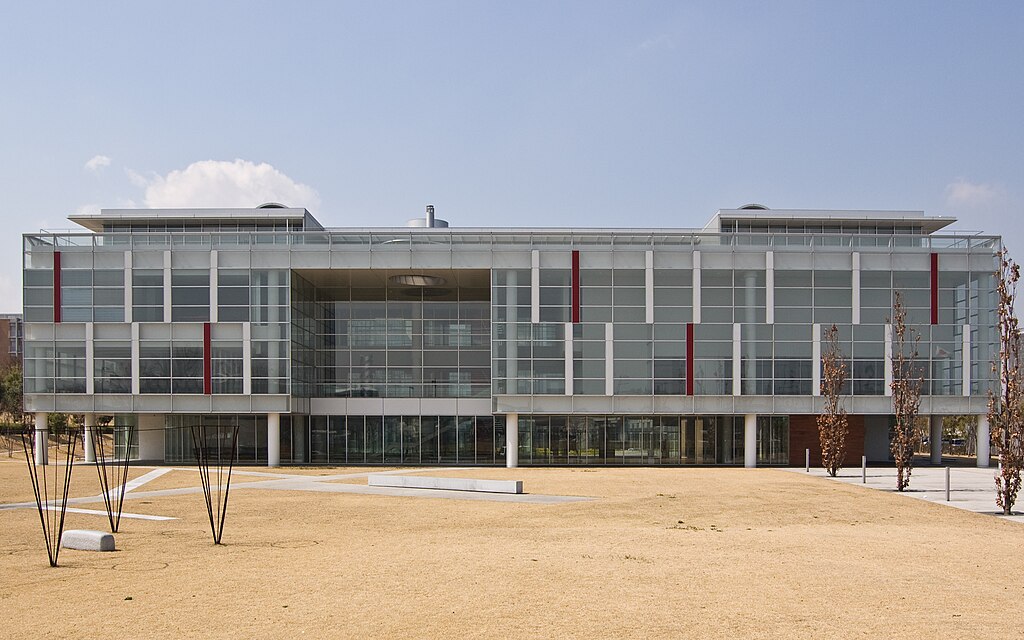
Japanese Language Institute, Tachikawa, Tokyo, Japan (2004)
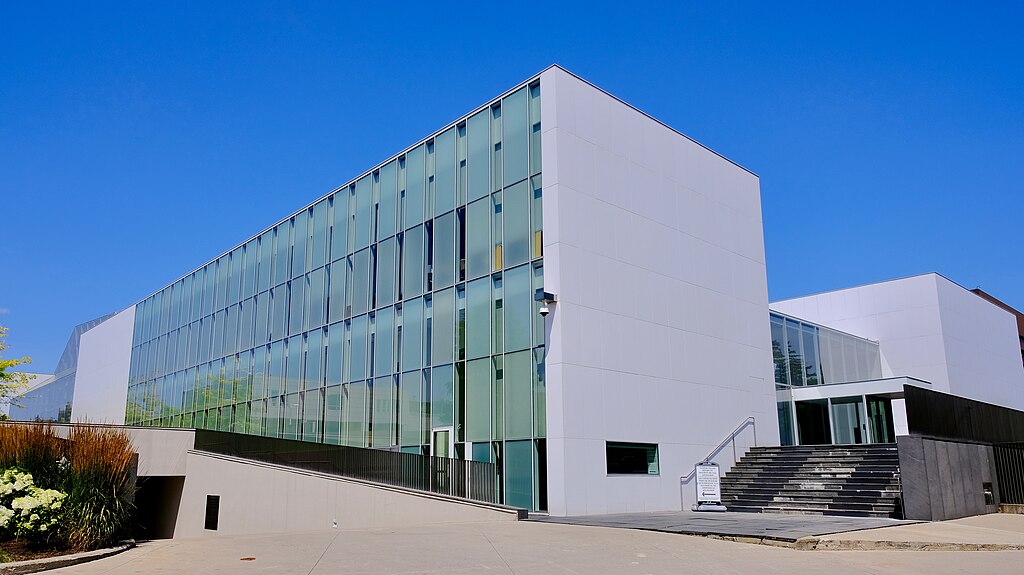
Ismaili Imamat Delegation, Ottawa, Canada (2005-2008)
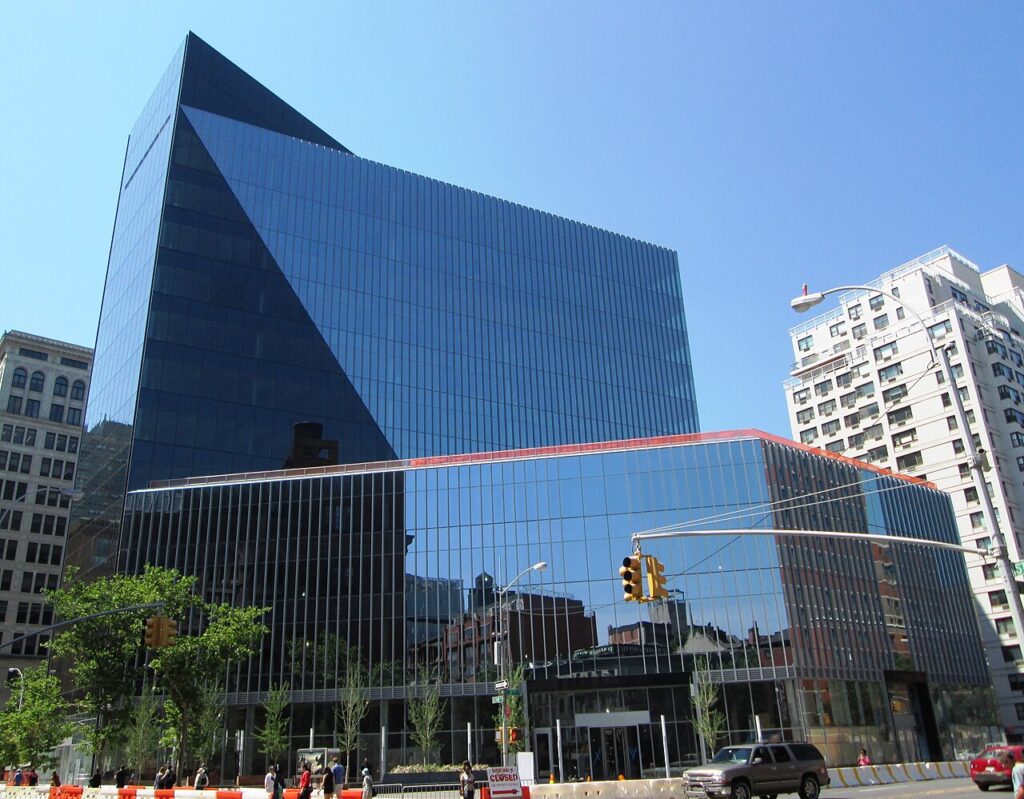
51 Astor Place, New York, New York (2010-2013)
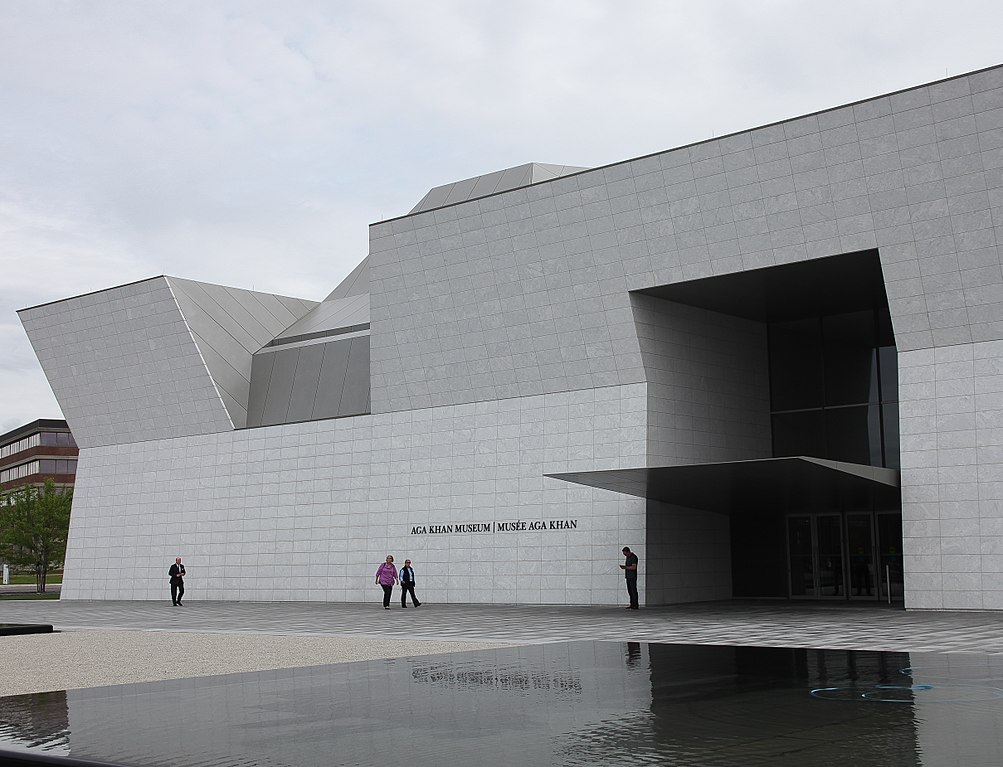
Aga Khan Museum, Toronto, Ontario, Canada (2014)
Washington University Kemper Art Museum, St. Louis, Missouri (2019)
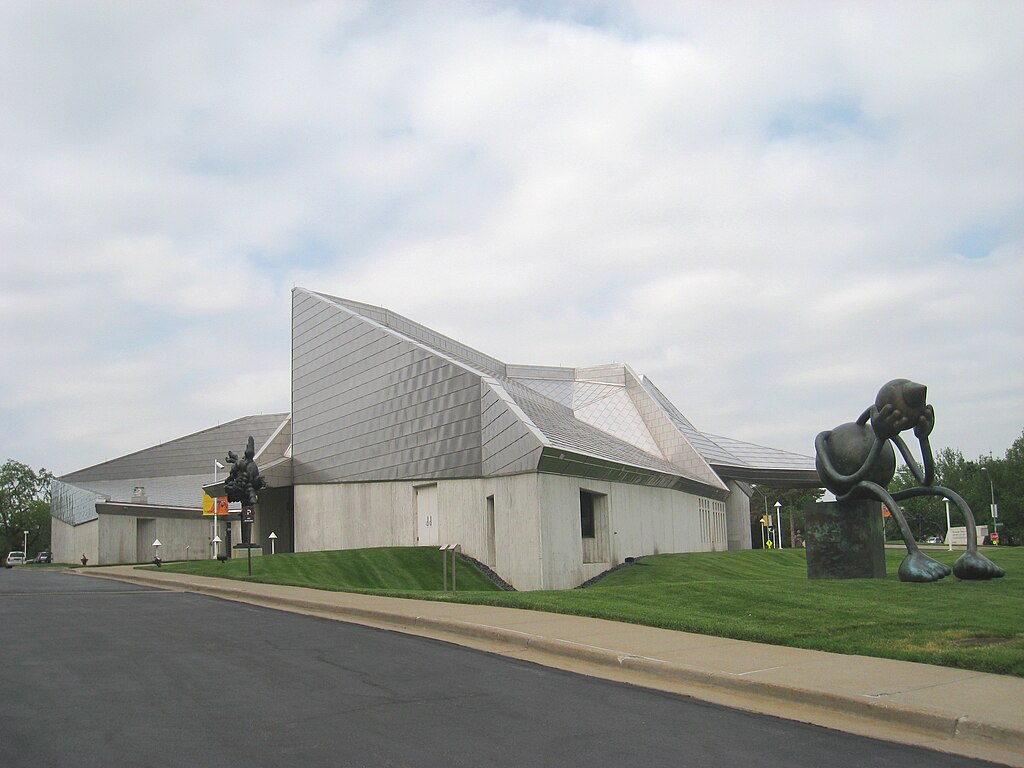
Fumihiko Maki, born on September 6, 1928, in Tokyo, Japan, is a distinguished figure in modern architecture, celebrated for his unique approach that merges Eastern and Western architectural principles. Maki’s journey in architecture began at the University of Tokyo, where he completed his Bachelor’s degree in 1952. Seeking broader horizons, he moved to the United States, earning a Master’s degree from Harvard University’s Graduate School of Design in 1954, and later studying at the Cranbrook Academy of Art and the School of Architecture at Washington University in St. Louis.
Maki’s architectural philosophy is deeply rooted in a blend of modernist principles and traditional Japanese aesthetics. This duality is evident in his use of materials, spatial concepts, and the harmonious integration of buildings with their surroundings. His design approach often emphasizes transparency and an interplay of light and space, creating structures that are both functionally efficient and aesthetically profound.
Throughout his illustrious career, Maki has been the recipient of numerous accolades, including the prestigious Pritzker Architecture Prize in 1993. His portfolio is diverse, ranging from small-scale residential buildings to large urban developments. Notable works include the Hillside Terrace complex in Tokyo, which reflects a sensitive blending of urban and natural environments, and the Spiral Building, showcasing his innovative use of geometric forms.
Maki’s contribution to global architecture extends beyond his buildings. He has been an influential educator and author, shaping the minds of future architects and contributing to architectural discourse. His work, characterized by a thoughtful synthesis of modernist rigor and a profound respect for context and culture, continues to inspire and influence the field of architecture worldwide.