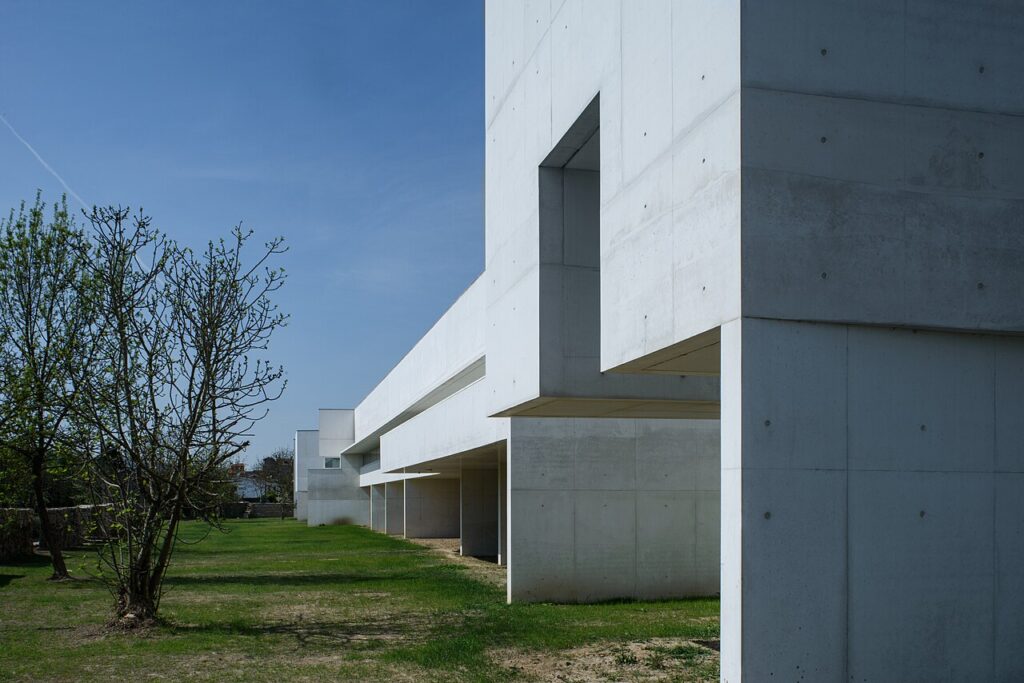
Álvaro Siza
Born: 1933 | Matosinhos, Portugal
Awards: Prizker Prize (1992), Royal Gold Medal (2009), UIA Gold Medal (2011), National Architecture Award of Spain (2019)
Projects: Bonjour Tristesse Apartments, Porto Faculty of Architecture, Piscinas de Marés, Vitra Factory, Marco de Canavezes Church, Expo ’98 Portugal Pavilion, Ibere Camargo Foundation, Museu Nadir Afonso
Siza’s Tower
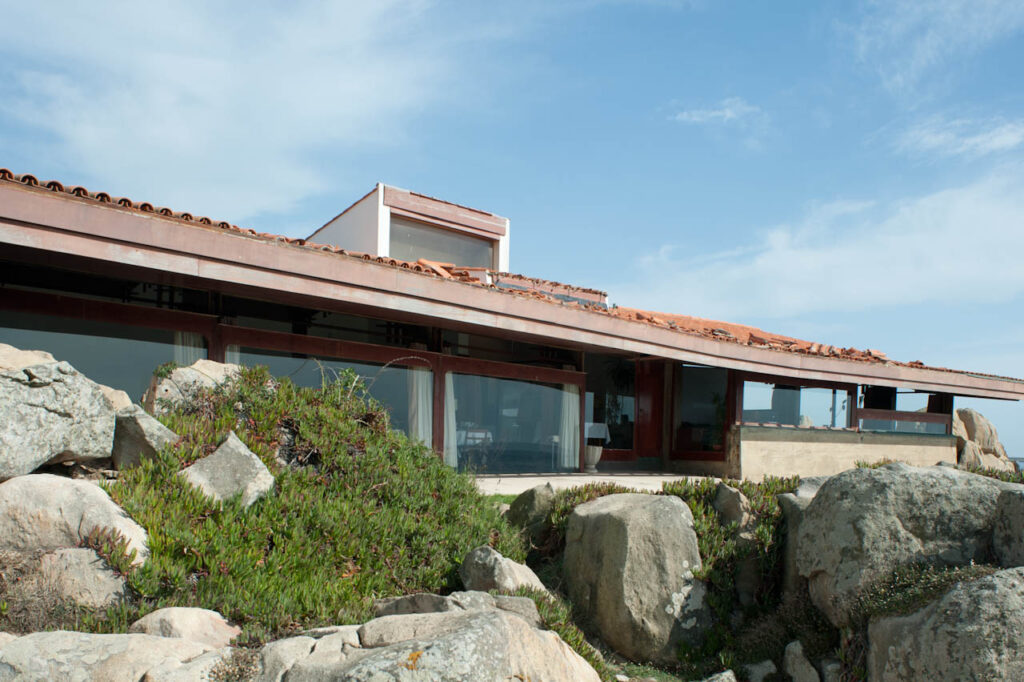
Boa Nova Tea House (Restaurante Boa Nova, Leça da Palmeira), Portugal (1958-1963)
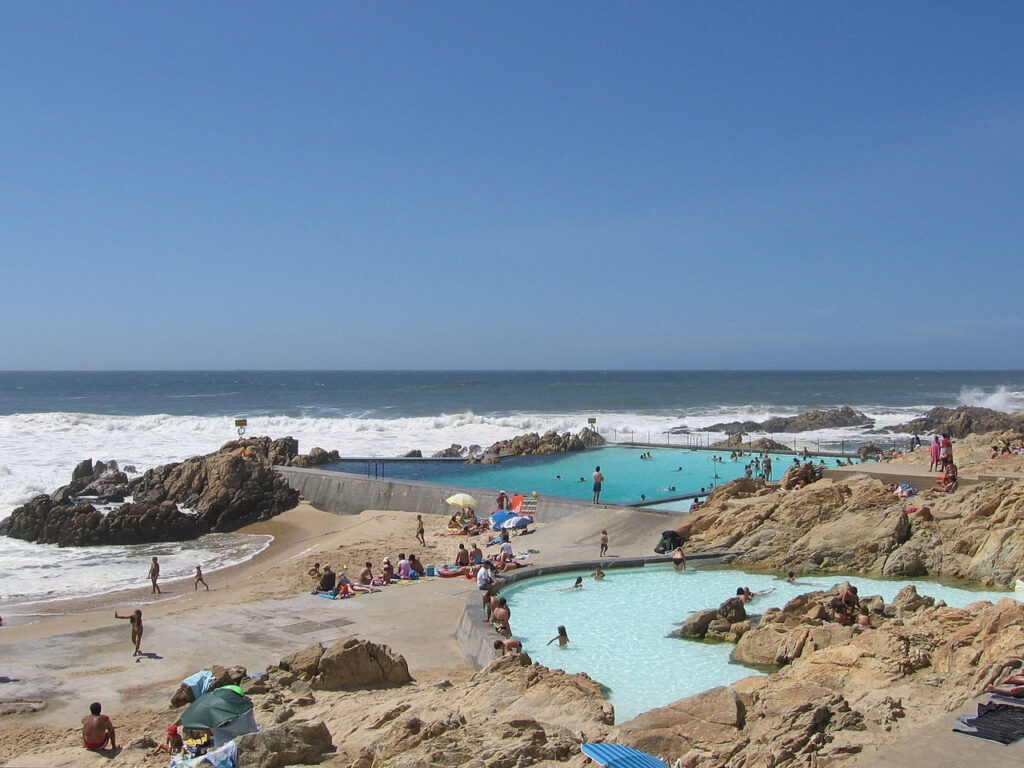
Tidal Swimming Pools (Piscinas de Marés), Leça da Palmeira, Matosinhos, Portugal (1966)
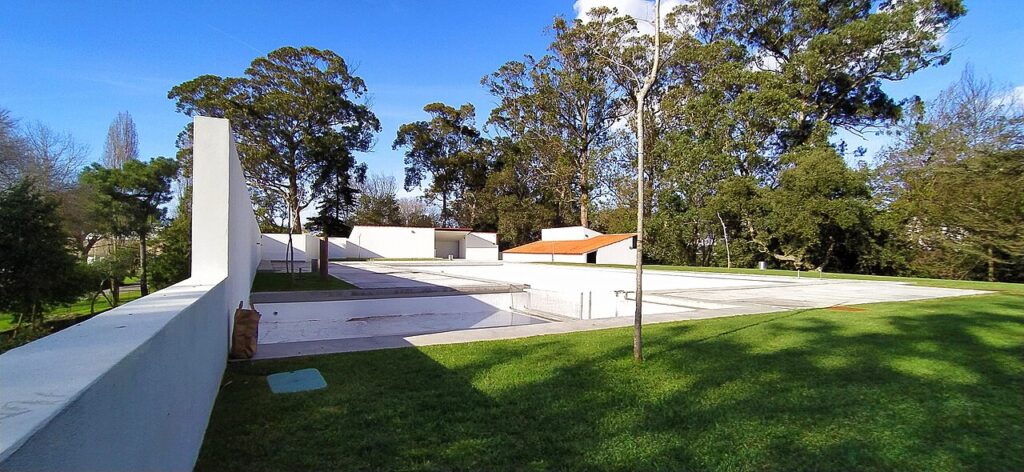
Quinta da Conceição Swimming Pool (Quinta da Conceição Pool), Leça da Palmeira, Matosinhos, Portugal (1965)
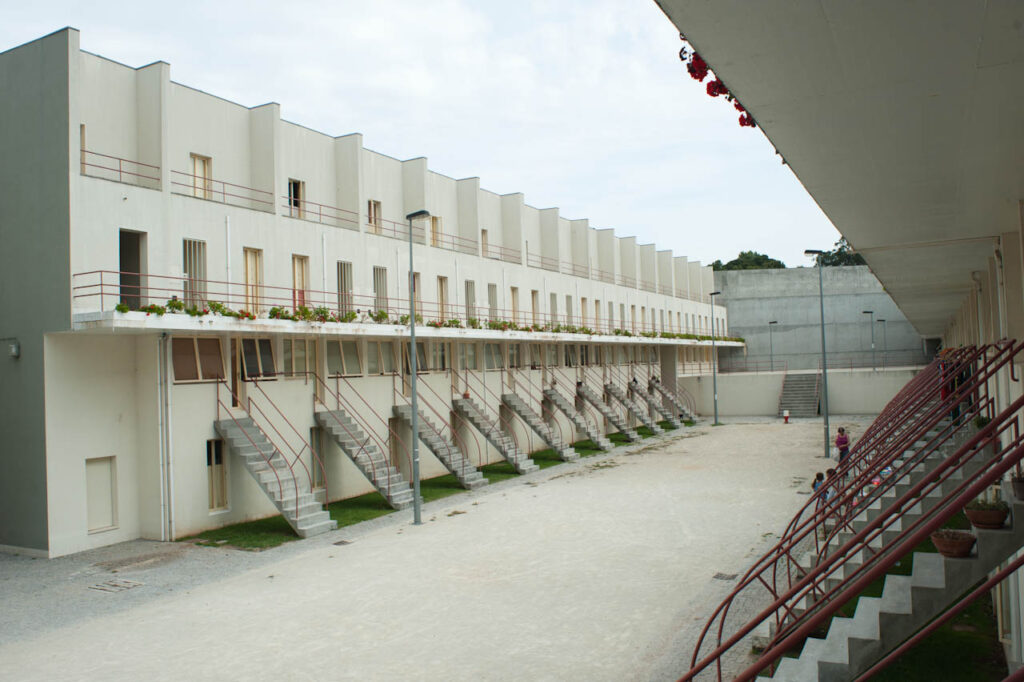
Bouça Housing Complex (Bairro da Bouça, SAAL Bouça), Porto, Portugal (1977-1979)
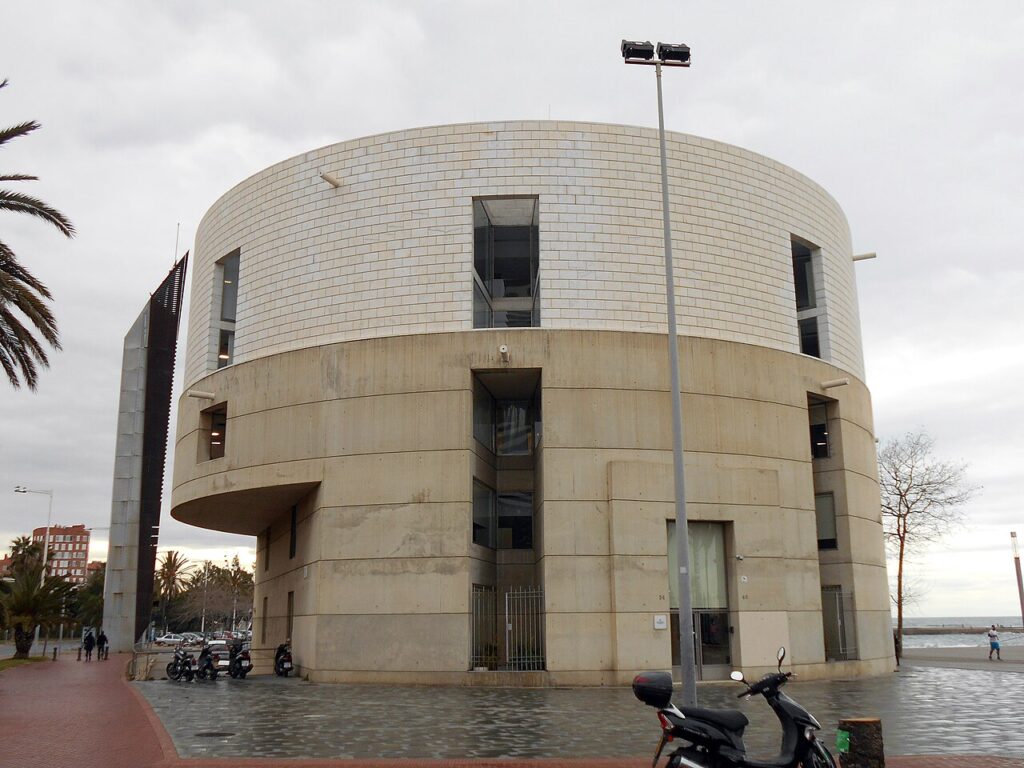
Meteorological Center (Centro Meteorológico de la Villa Olímpica), Barcelona, Spain (1992)
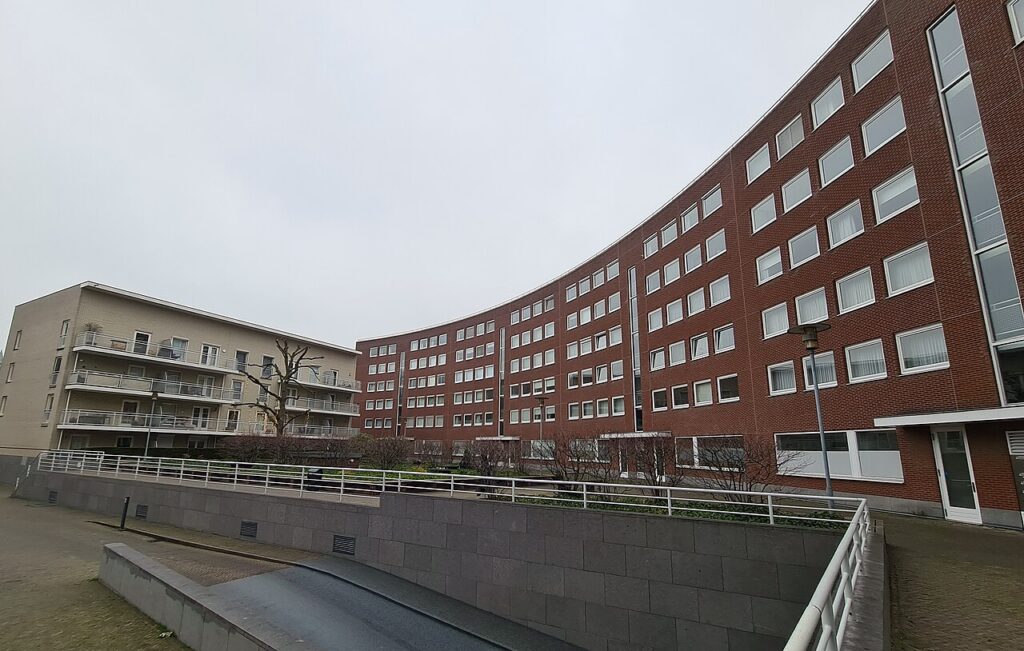
Arco Íris, Maastricht, Netherlands (1996)
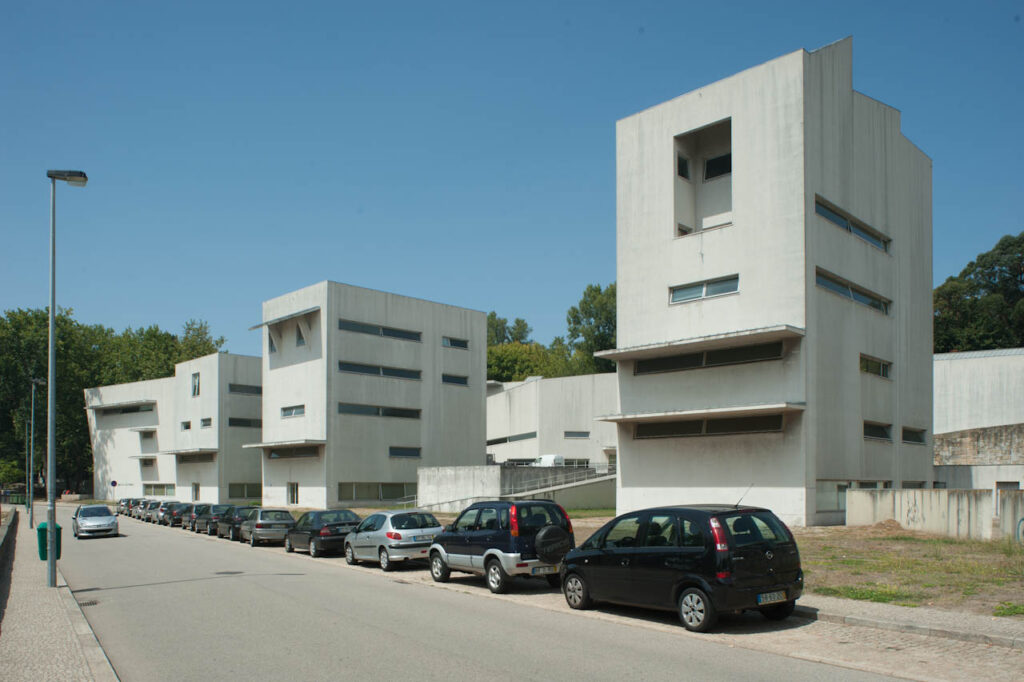
Porto University Architecture Faculty, Porto, Portugal (1984-1996)
Vitra Factory Building, Weil am Rhein, Germany (1994)
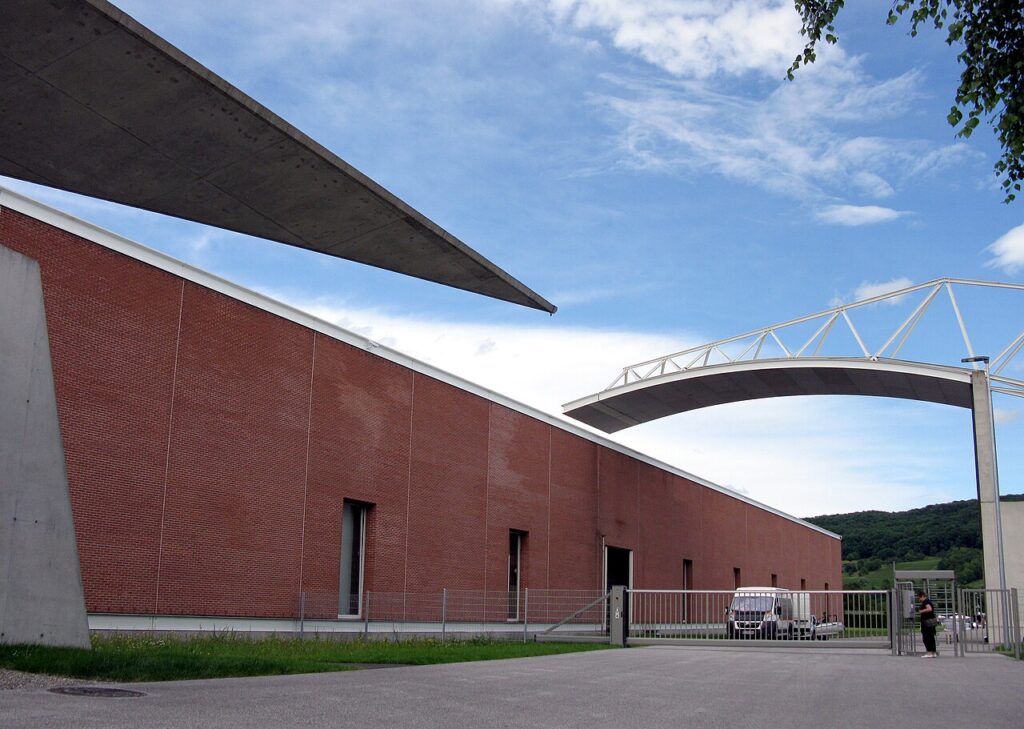
Marco de Canaveses Church (Igreja de Santa Maria), Marco de Canaveses, Porto, Portugal (1994-1997)
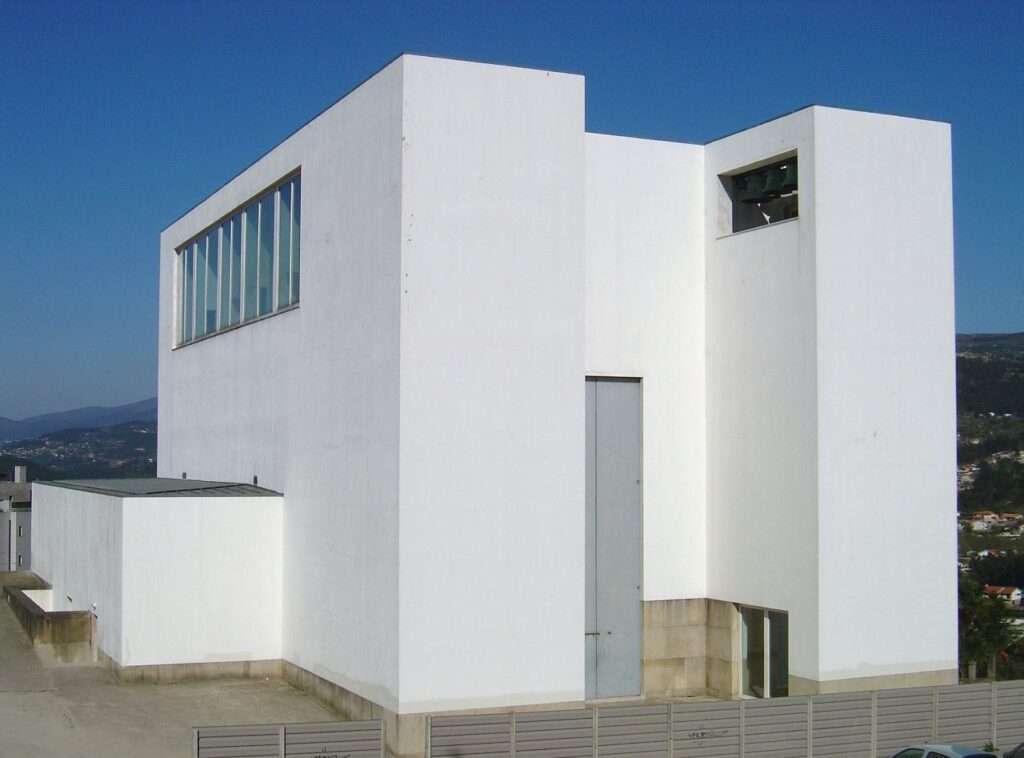
Portugal Pavilion Expo 98 Lisbon, Portugal (1995-1997)
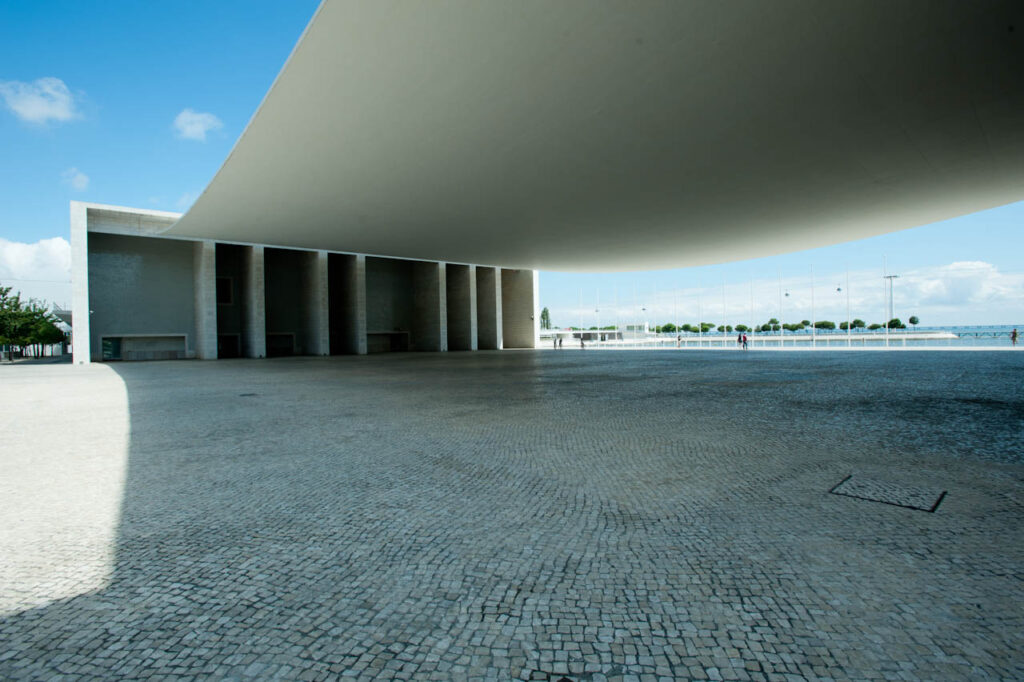
Ex. Chiesa Madre Di Salemi (Mother Church of Salemi formerly), Salemi, Trapani, Sicily, Italy (1983-1999)
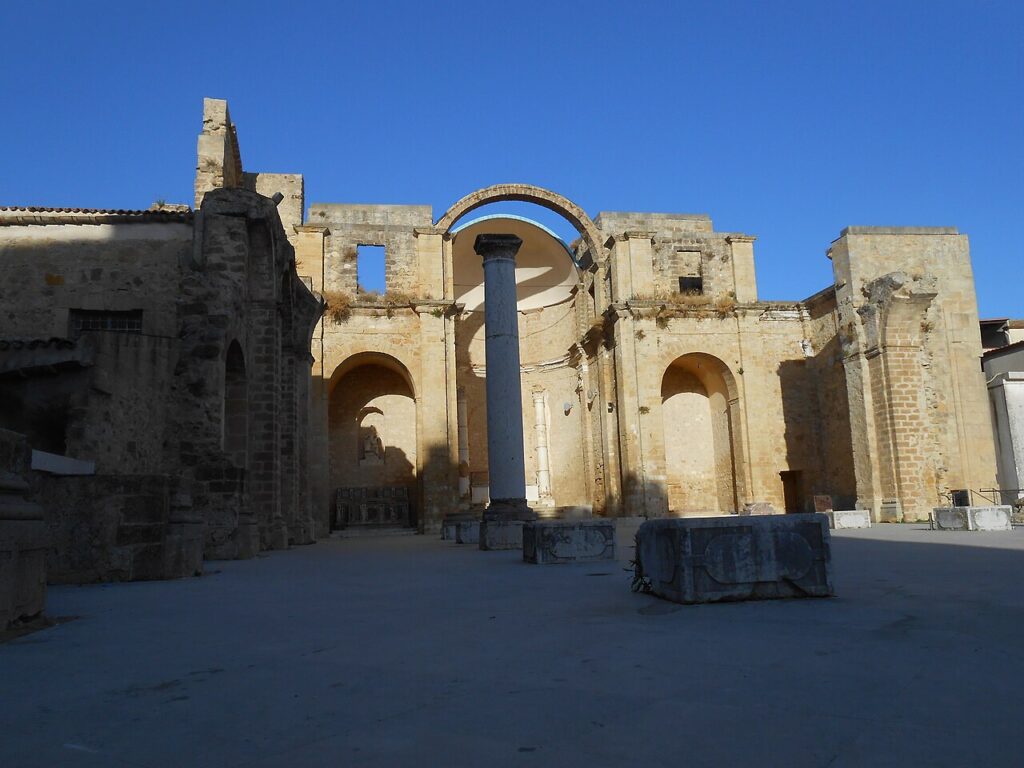
Museo Serralves, Porto, Portugal (1999)
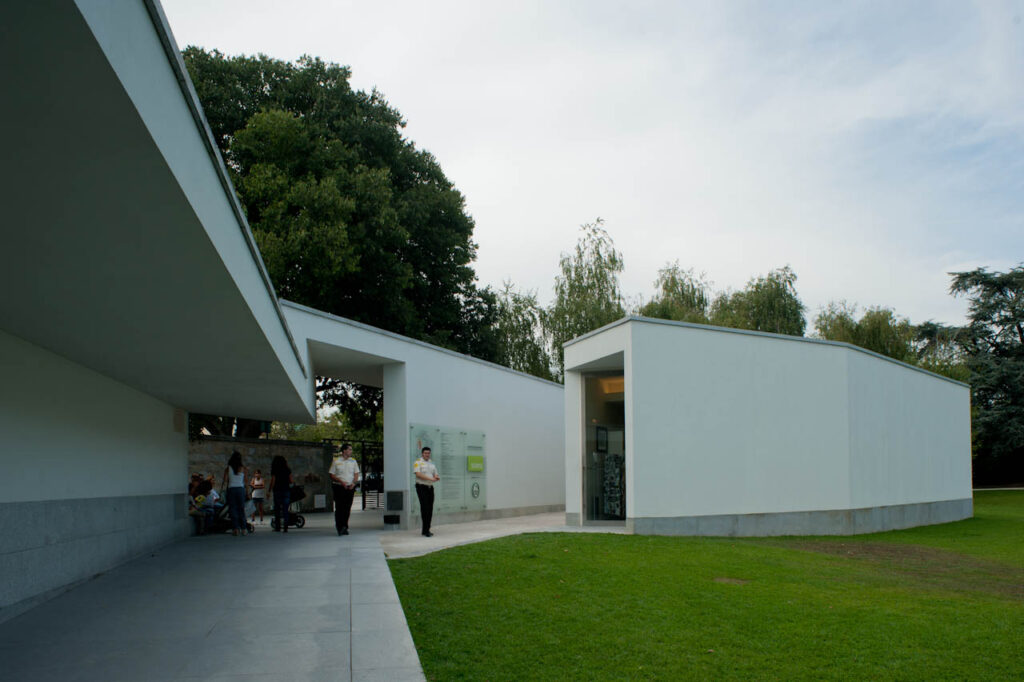
A Fachada, Maastricht, Netherlands (2002)
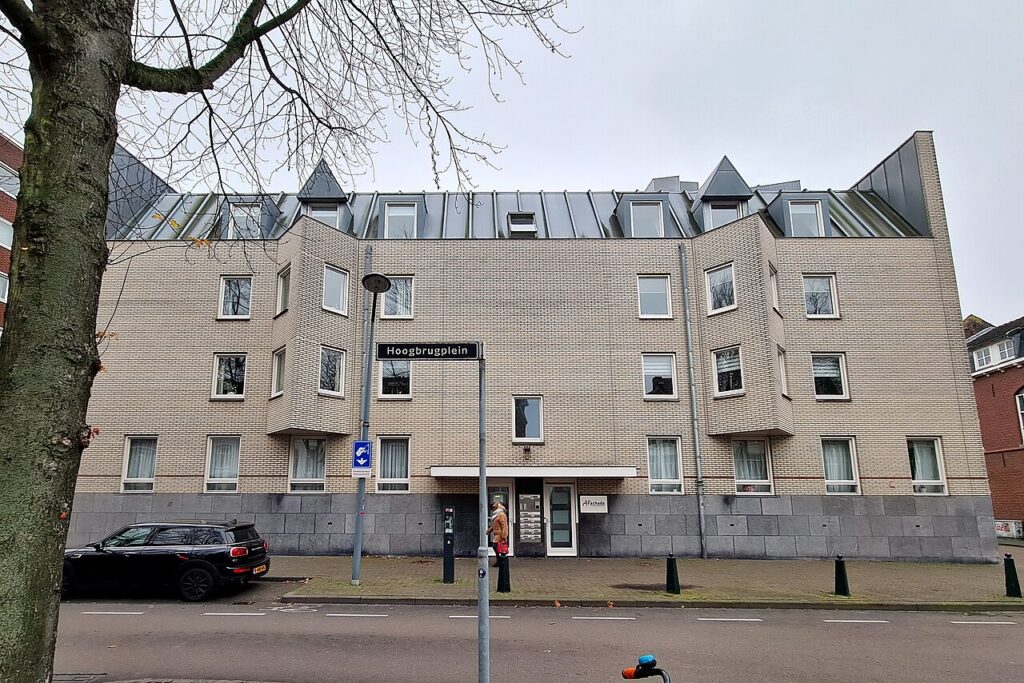
Serpentine Pavilion 2005, London, UK, with Eduardo Souto de Moura (2005)
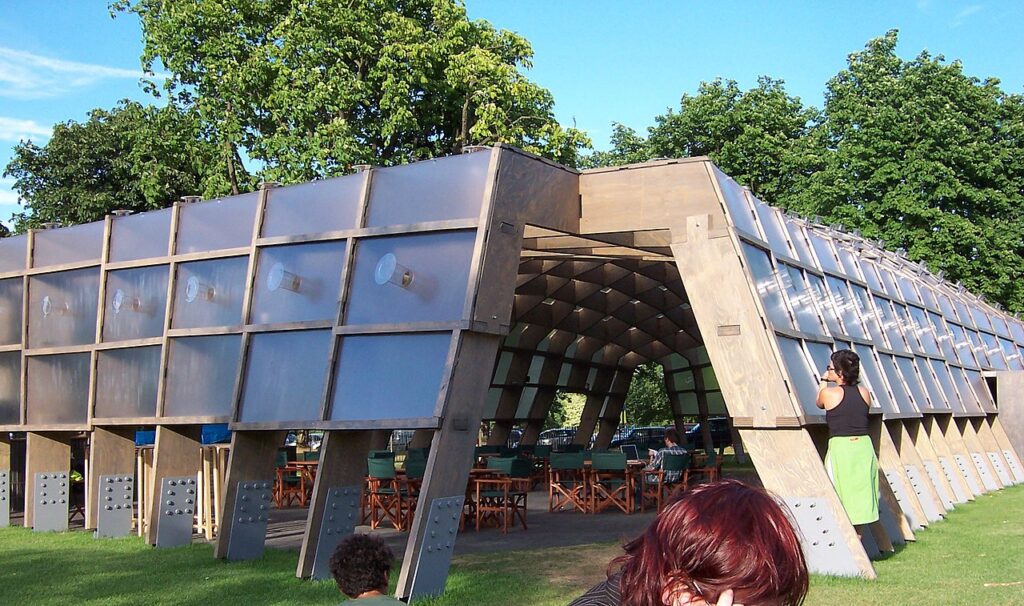
Viana do Castelo Municipal Library, Viana do Castelo, Portugal (2008)
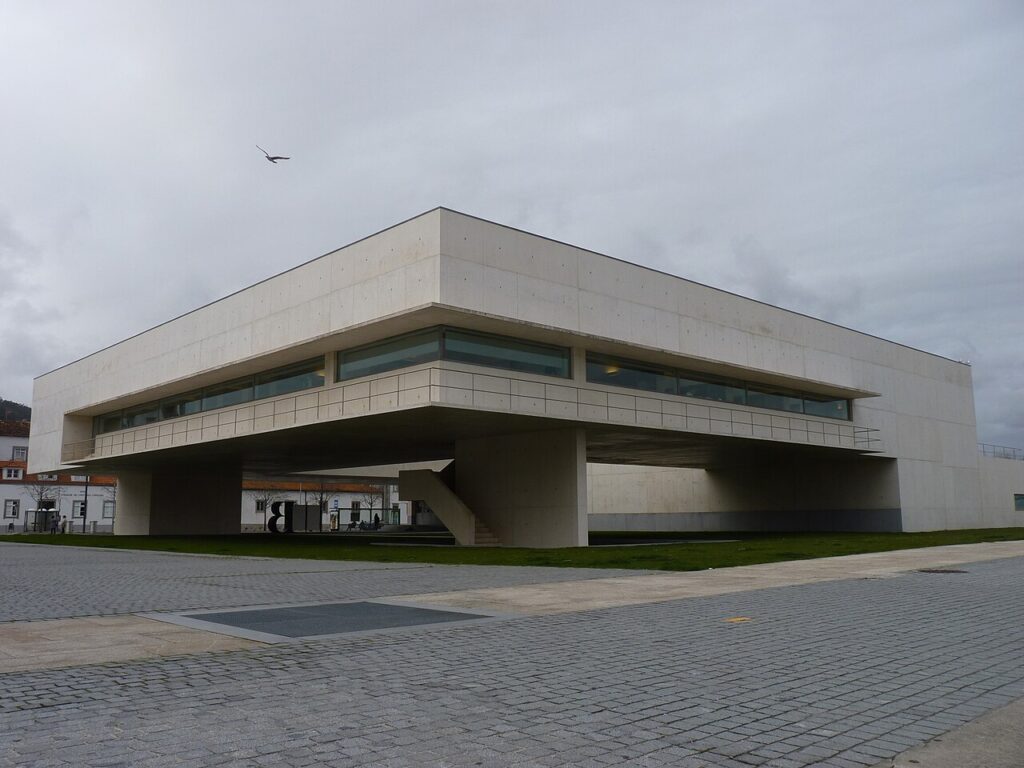
Fez House (Casa Fez), Porto, Portugal (2006-2010)
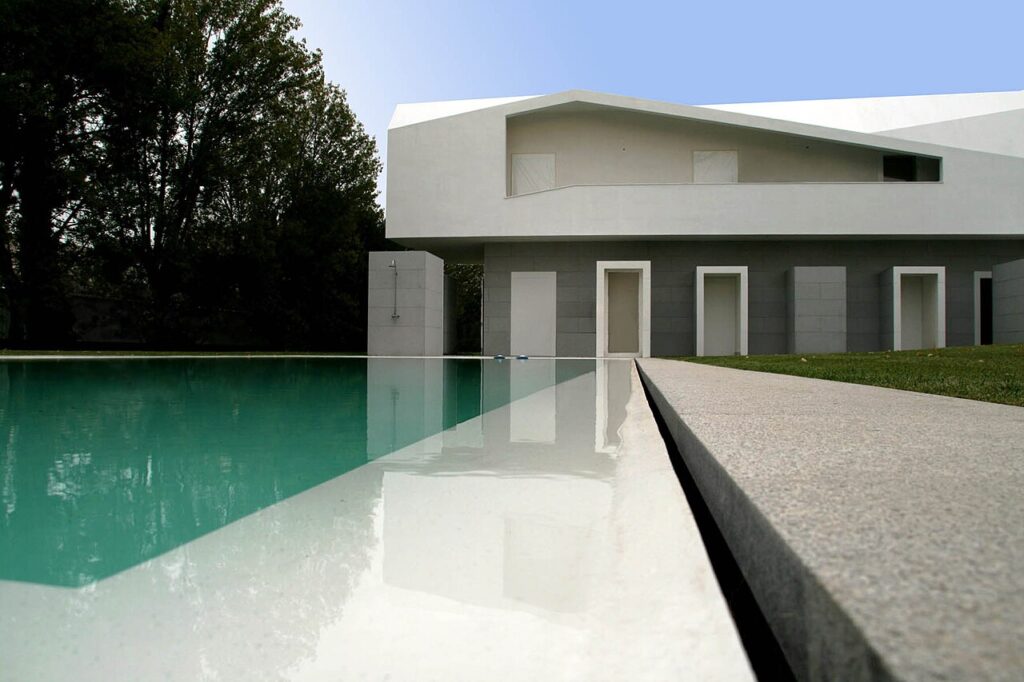
Manzana del Revellín Auditorium (Manzana del Revellín Cultural Centre), Ceuta, Spain (2010)
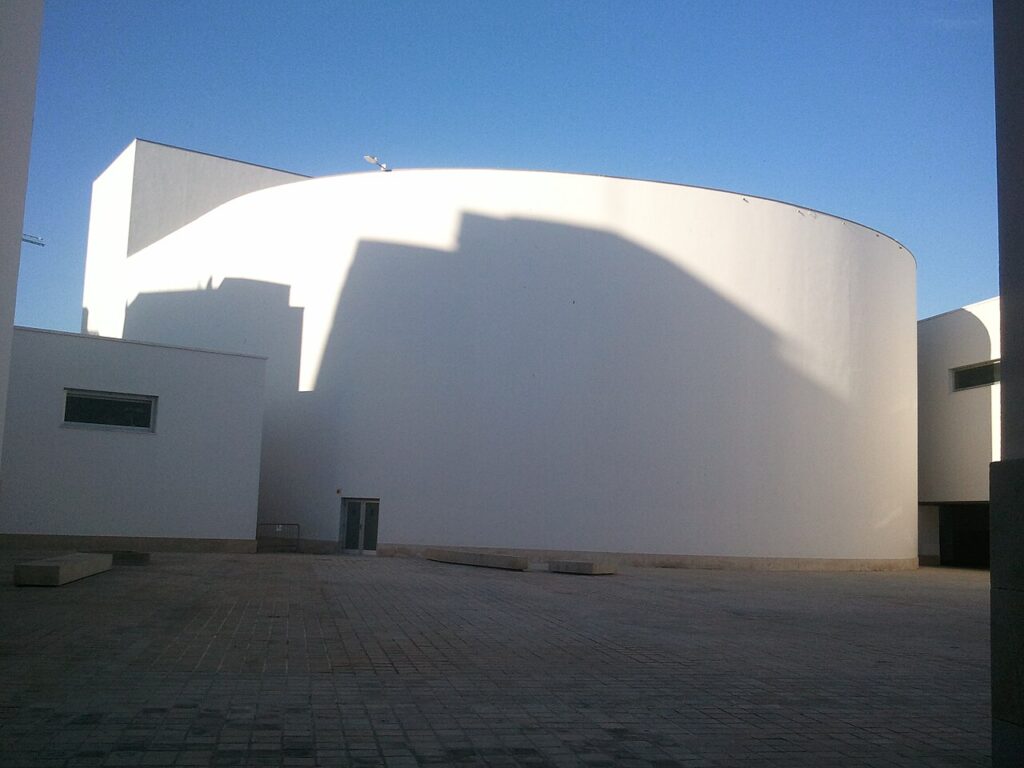
Monade Nadir Afonso Museum, Chevez, Portugal (2015)