Frank O. Gehry
Born: 1929 | Toronto, Ontario, Canada
Practice: Gehry Partners, LLP
Awards: Prizker Prize (1989), Praemium Imperiale (1992), Thomas Jefferson Medal in Architecture (1994), AIA Gold Medal (1999), AIA Twenty-Five Year Award (2023, 2012)
Projects: Gehry Residence, Vitra Design Museum, Chiat/Day Building, Frederick Weisman Museum of Art, Dancing House, Guggenheim Museum Bilbao, Walt Disney Concert Hall, 8 Spruce Street
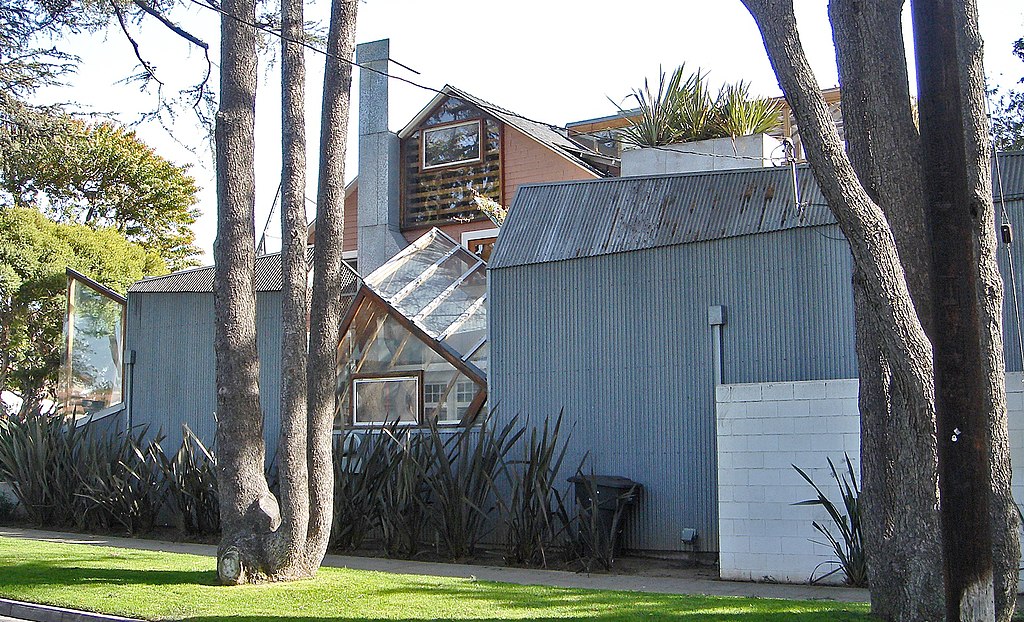
Gehry Residence, Santa Monica, California (1977-1978)
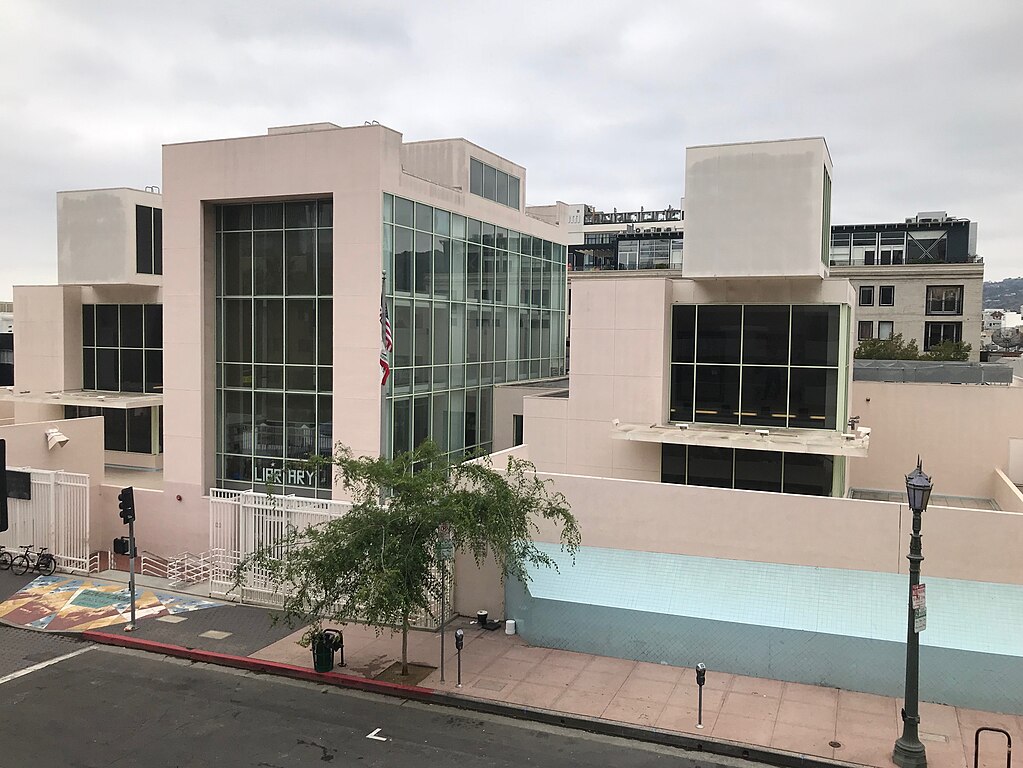
Frances Howard Goldwyn Hollywood Branch Library, Hollywood, California (1985-1986)
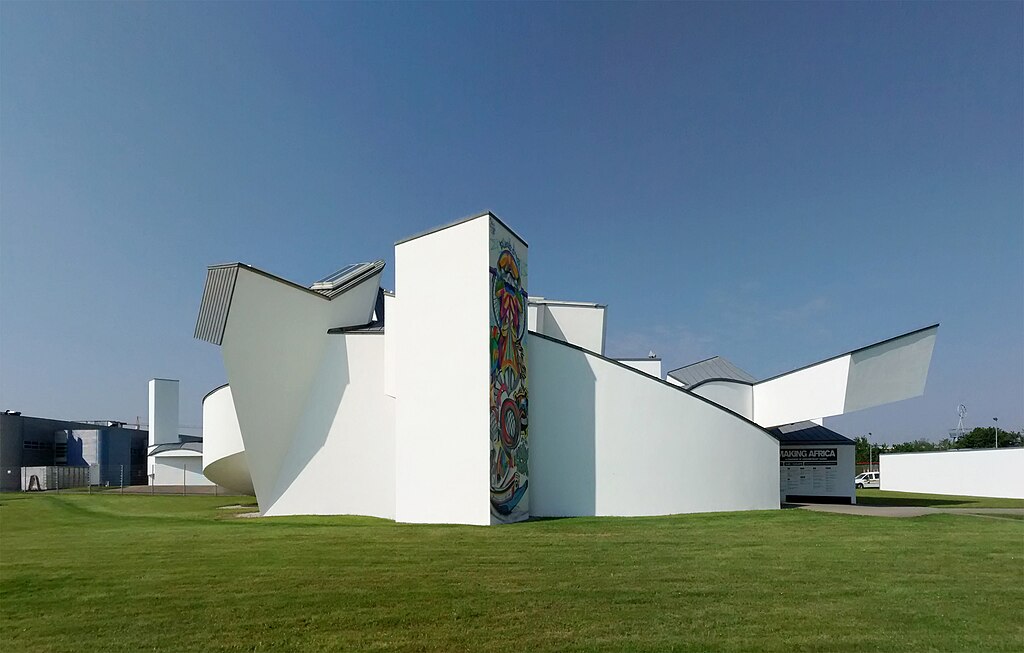
Vitra Design Museum, Weil am Rhein, Germany (1989)
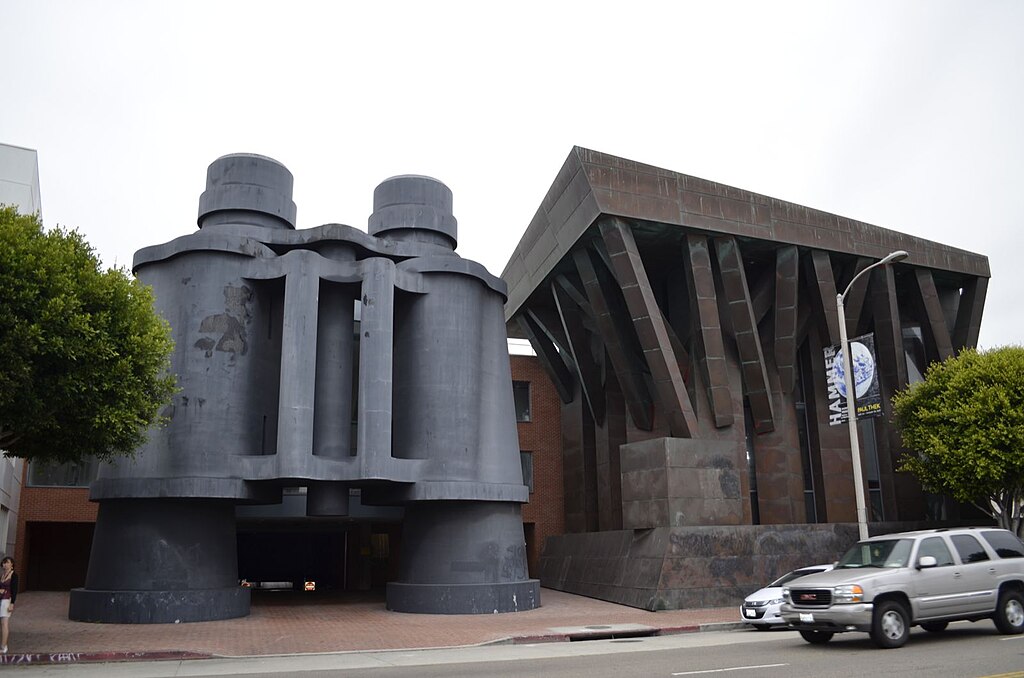
Chiat/Day Building, Los Angeles, California (1991)
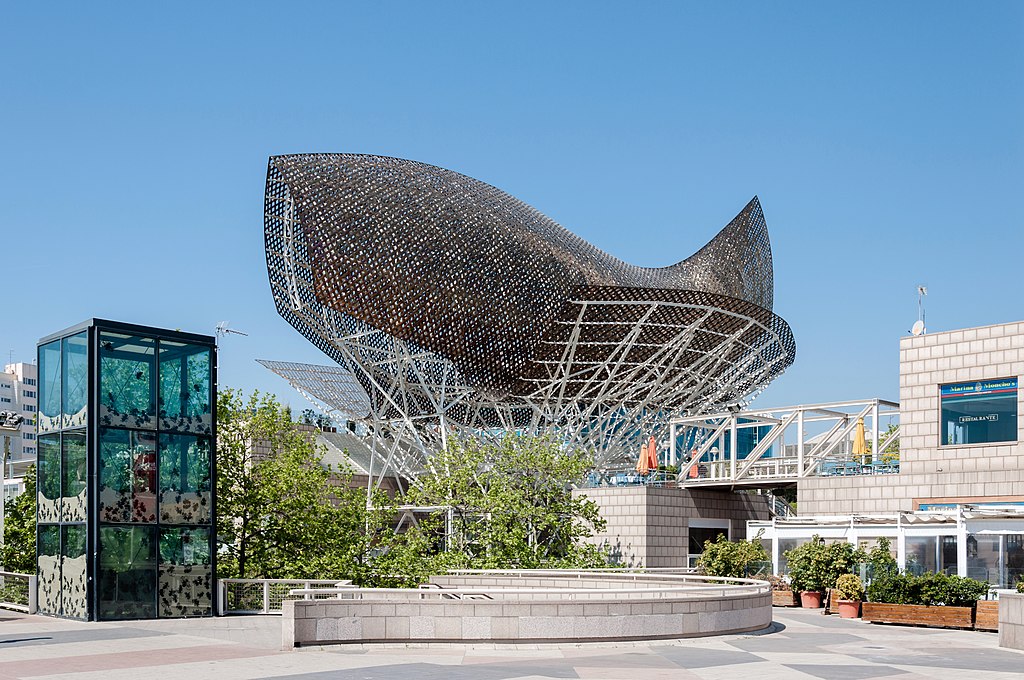
Barcelona Fish (officially Peix), Barcelona, Spain (1989-1992)
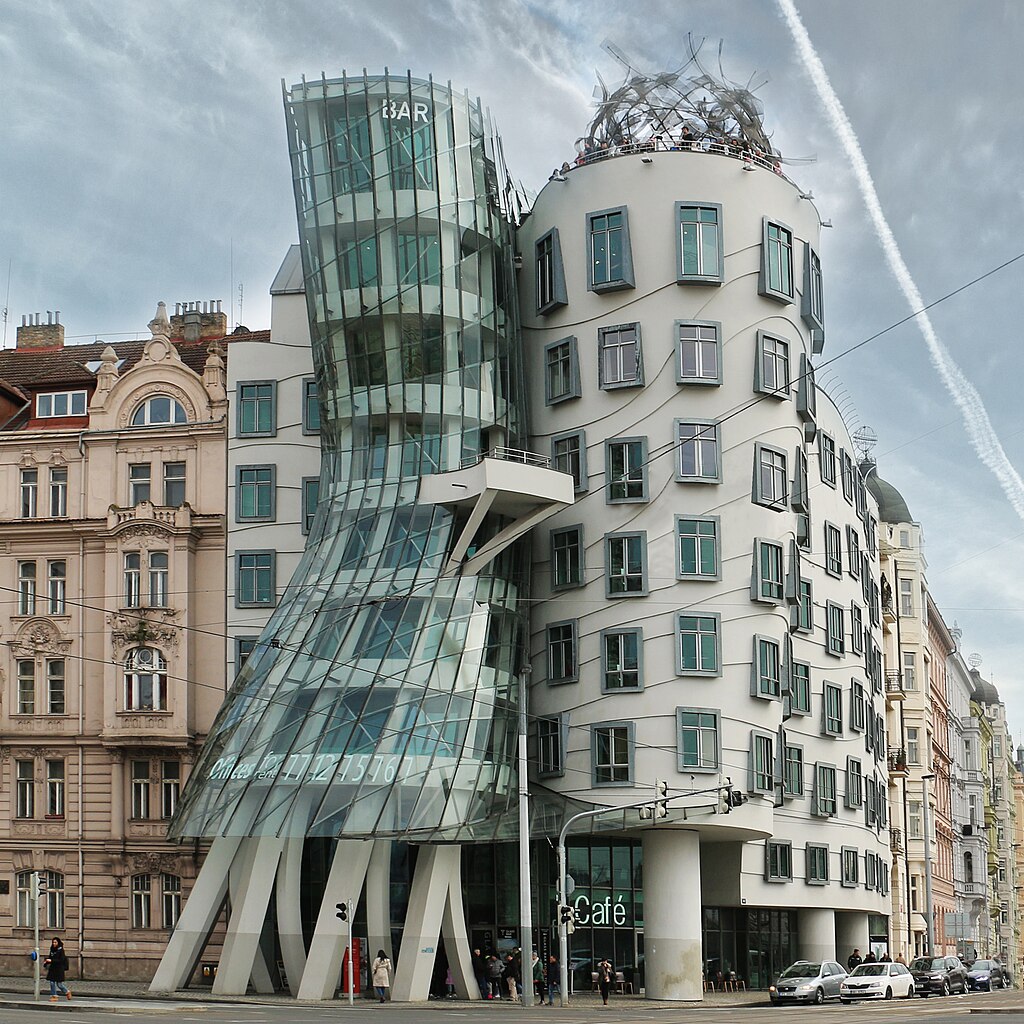
Dancing House (Fred and Ginger), Prague, Czech Republic, (1992-1996)
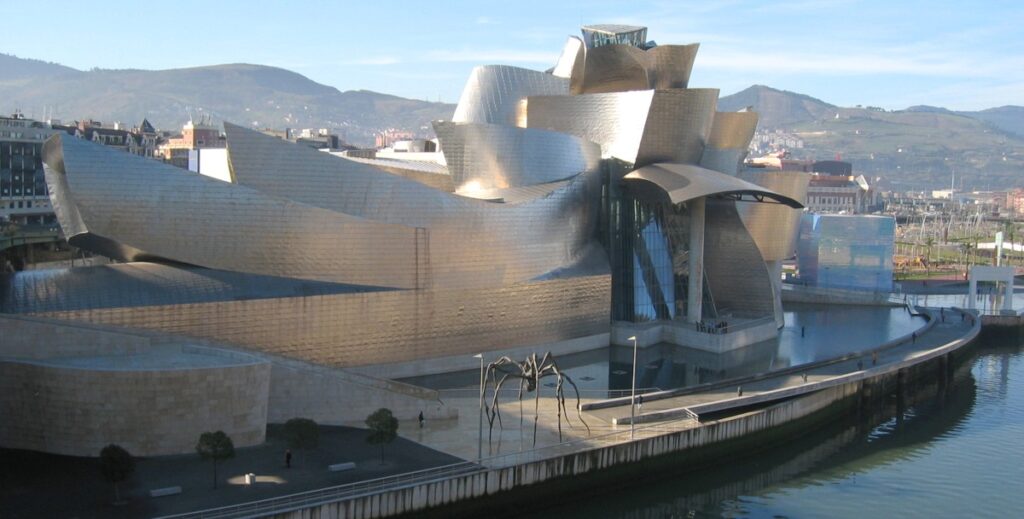
Gugenheim Museum Bilbao, Bilbao, Biscay, Spain (1993-1997)
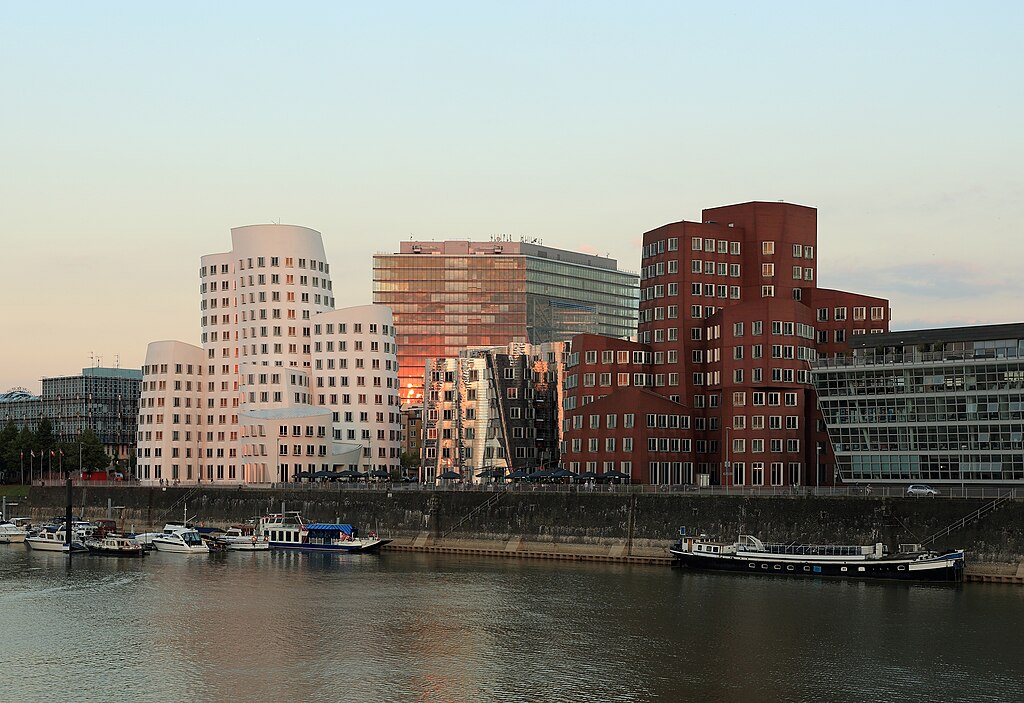
New Zollhof, Düsseldorf, Germany (1996-1998)
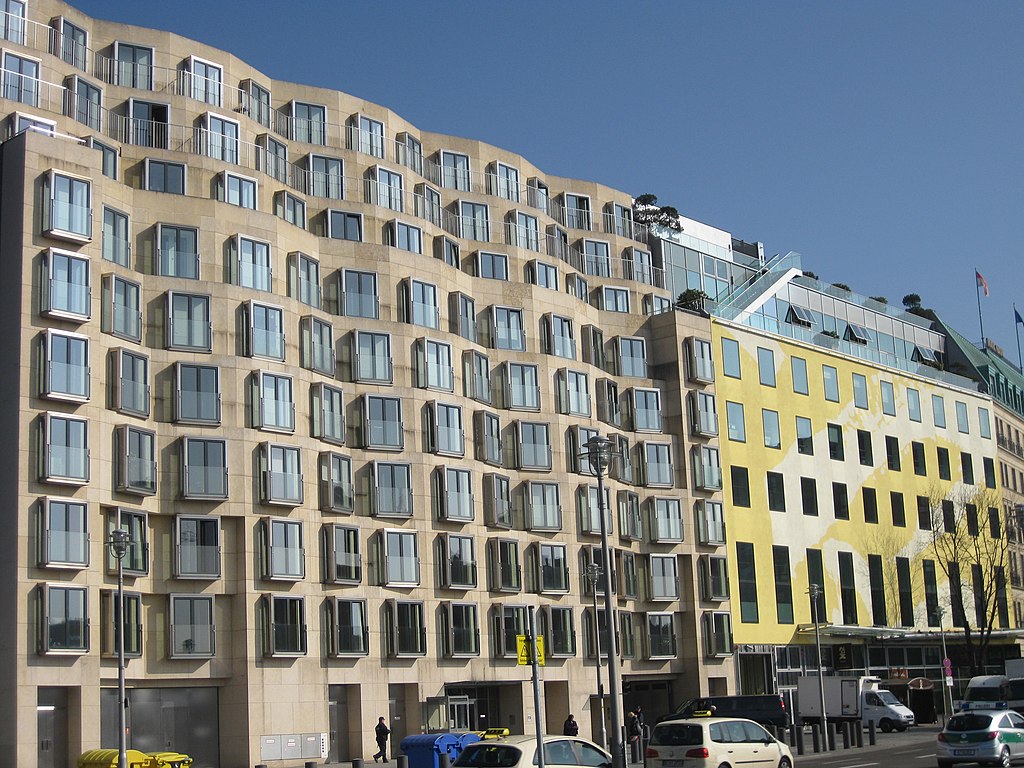
DZ Bank, Berlin, Germany (1998-2000)
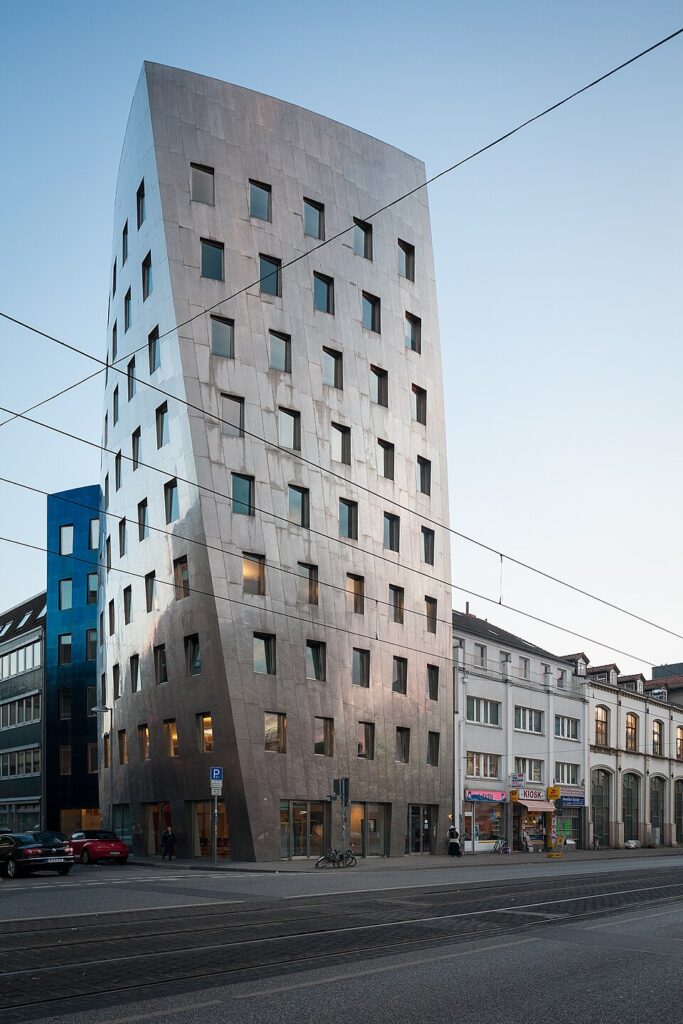
Gehry Tower, Hanover, Germany (1999-2001)
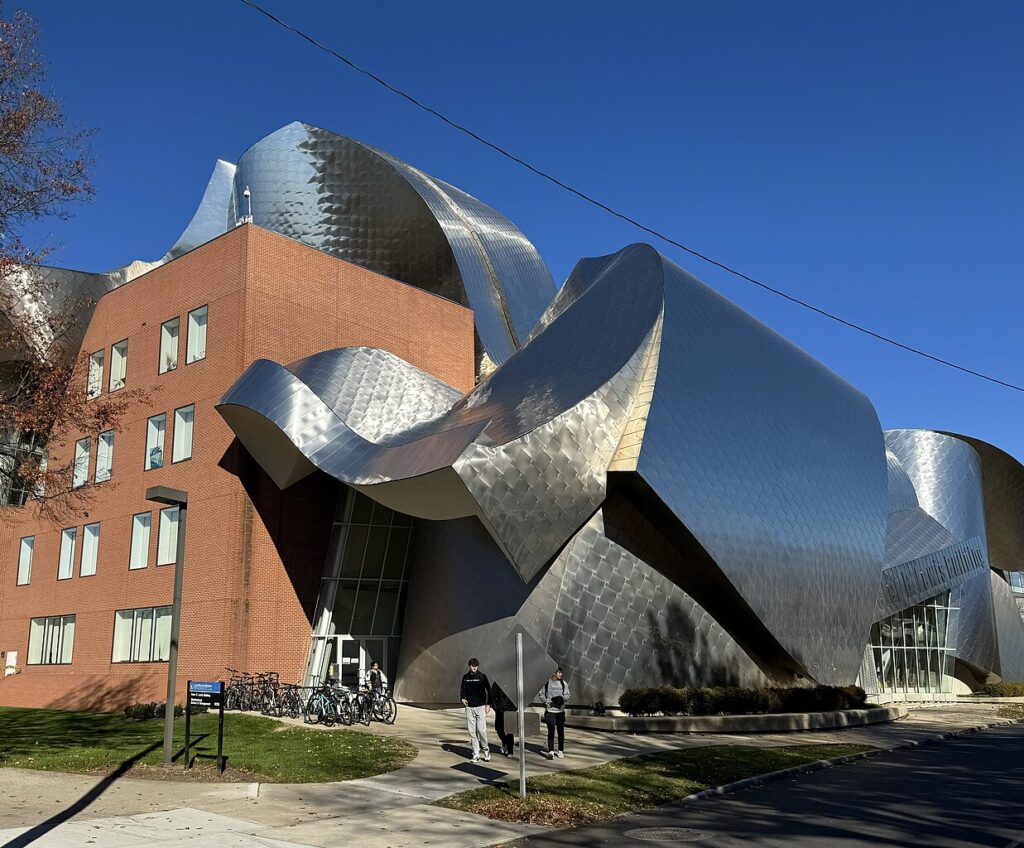
Case Western Reserve University Peter B. Lewis Building, Cleveland, Ohio (1999-2002)
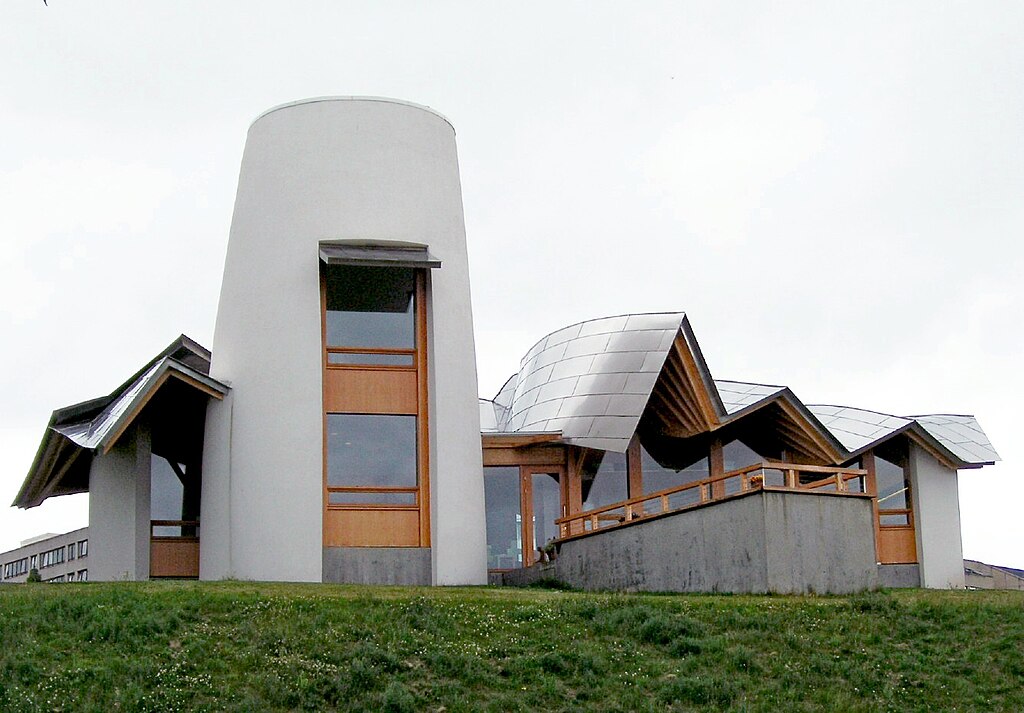
Maggies Center, Dundee, Scotland (2003)
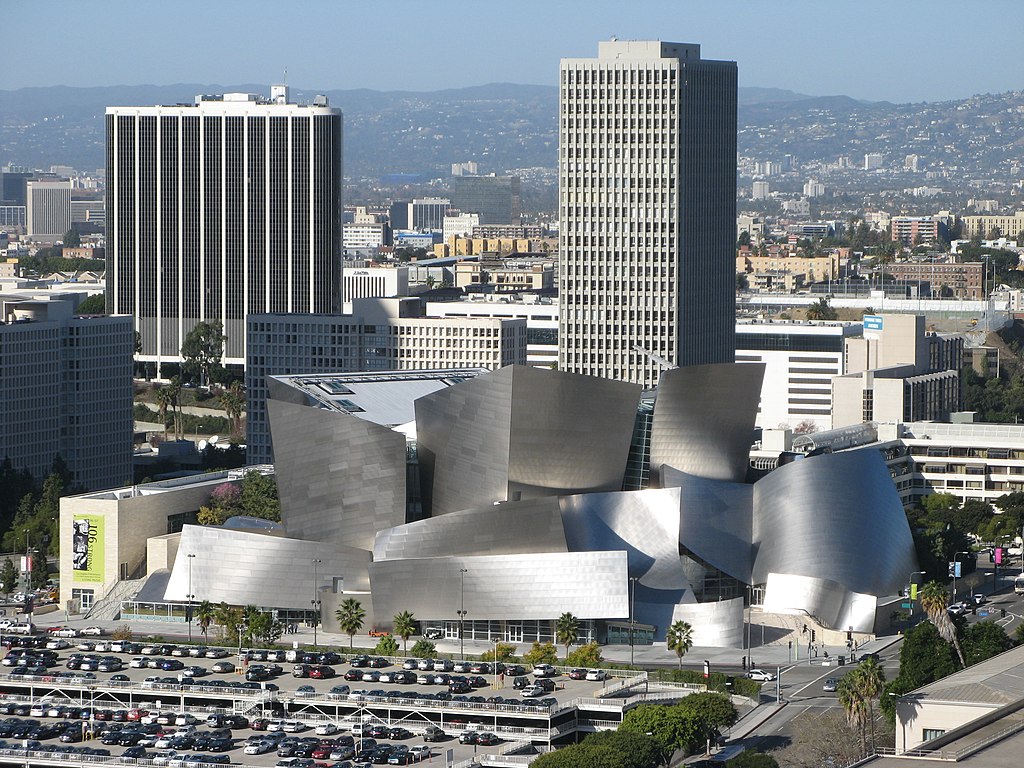
Walt Disney Concert Hall, Los Angeles, California (2003)
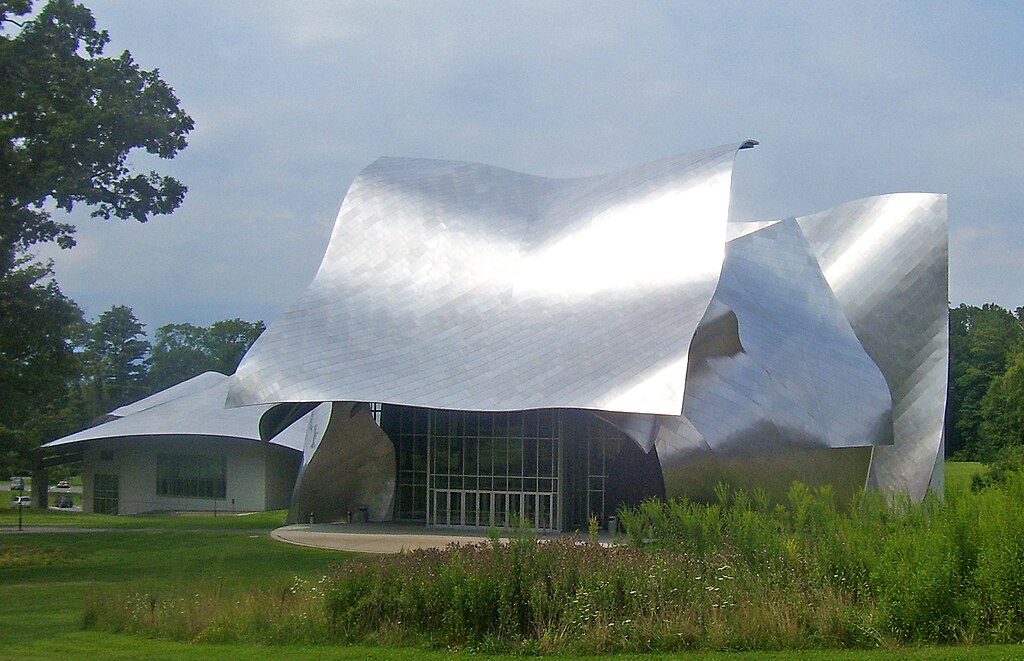
Bard College Richard B. Fisher Center for the Performing Arts, Annandale-on-Hudson, New York (2003)
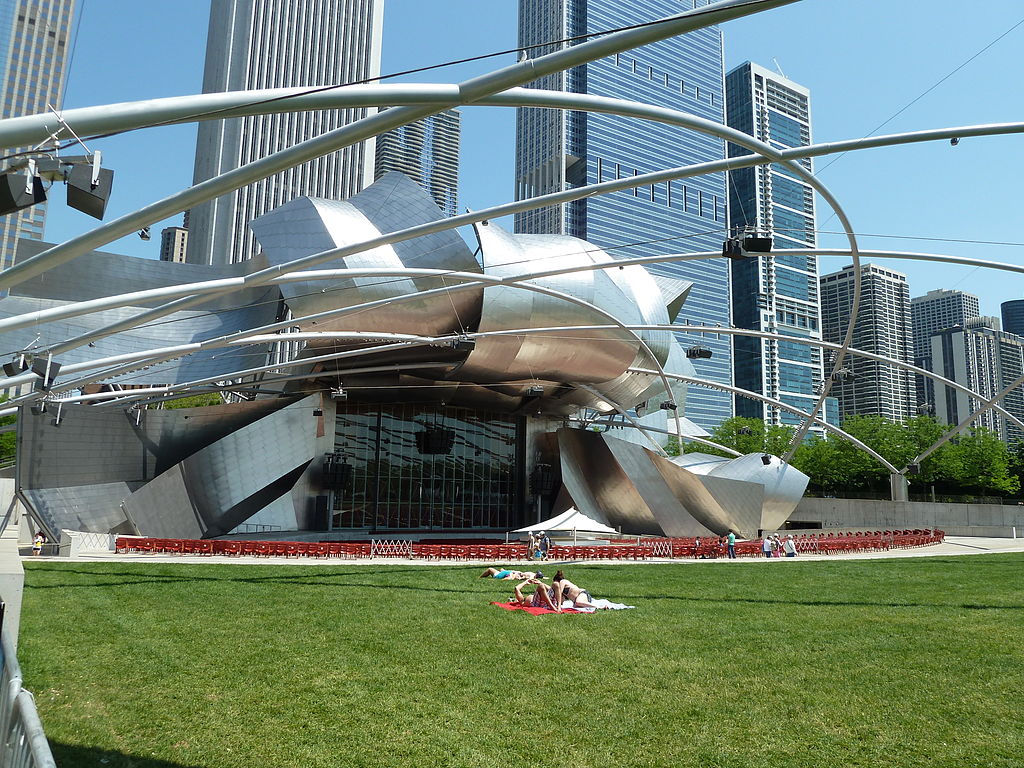
Jay Pritzker Pavilion, Chicago, Illinois (2004)
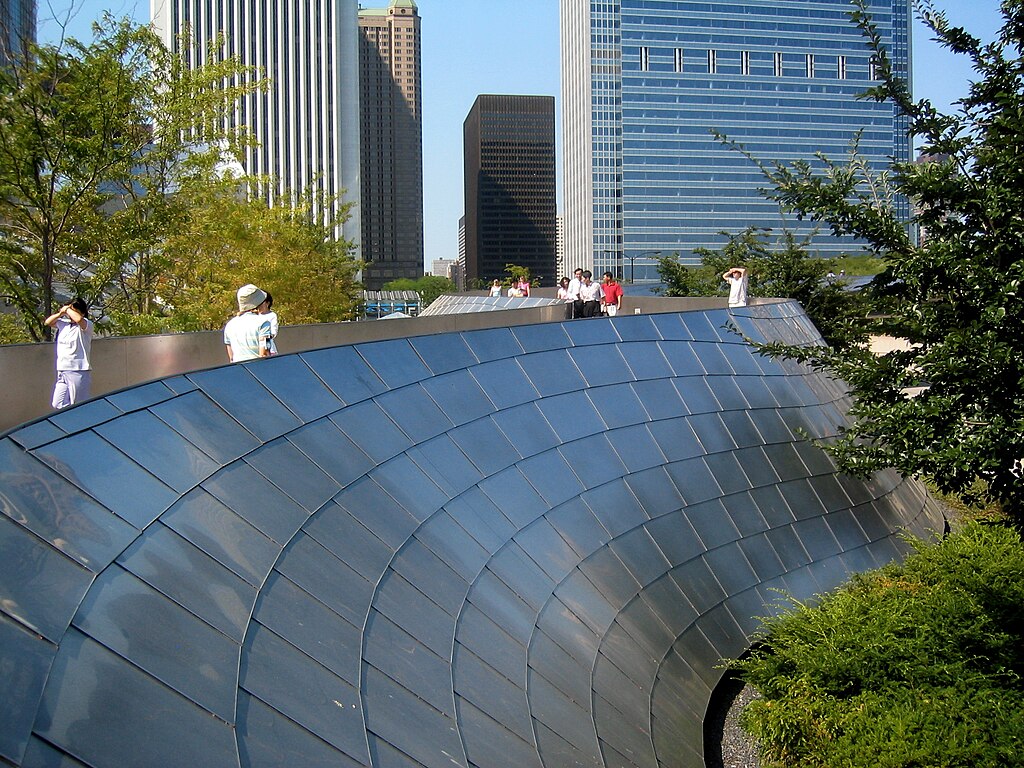
BP Pedestrian Bridge, Chicago, Illinois 1999-2004
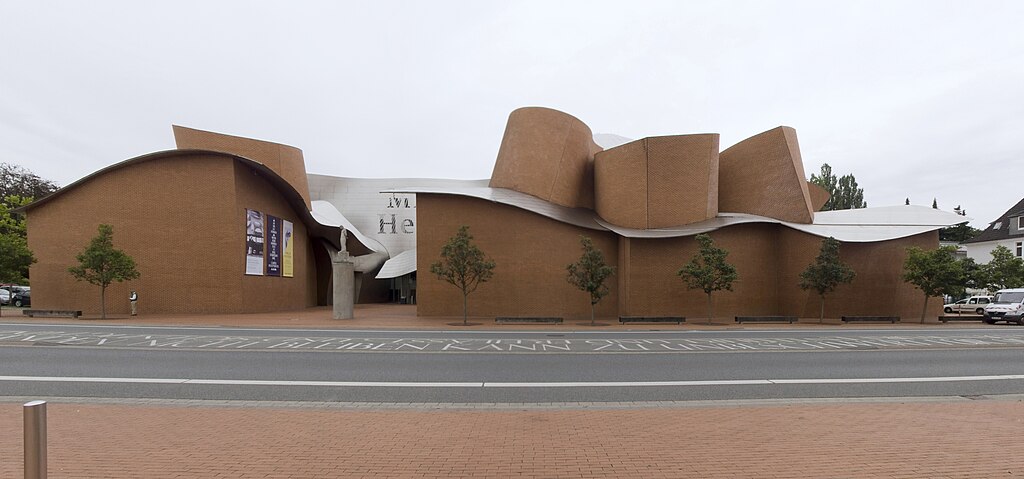
Marta Herford, Herford, Germany (2001-2004)
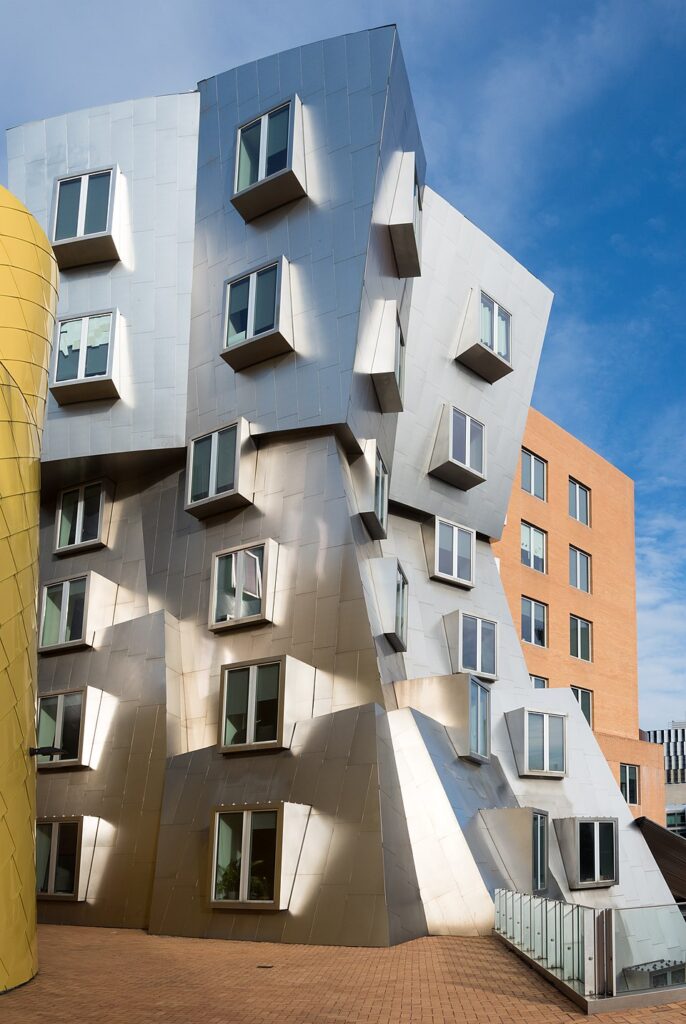
MIT Ray & Maria Strata Center, Cambridge, Massachusetts (2000-2004)
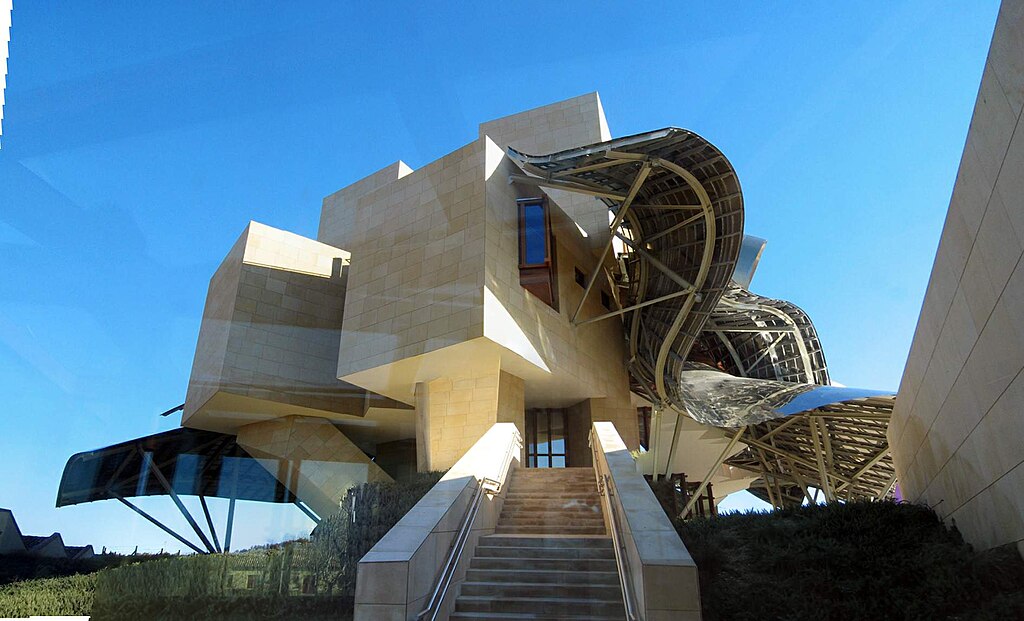
Marqués de Riscal, Elciego, Álava, Spain (2003-2006)
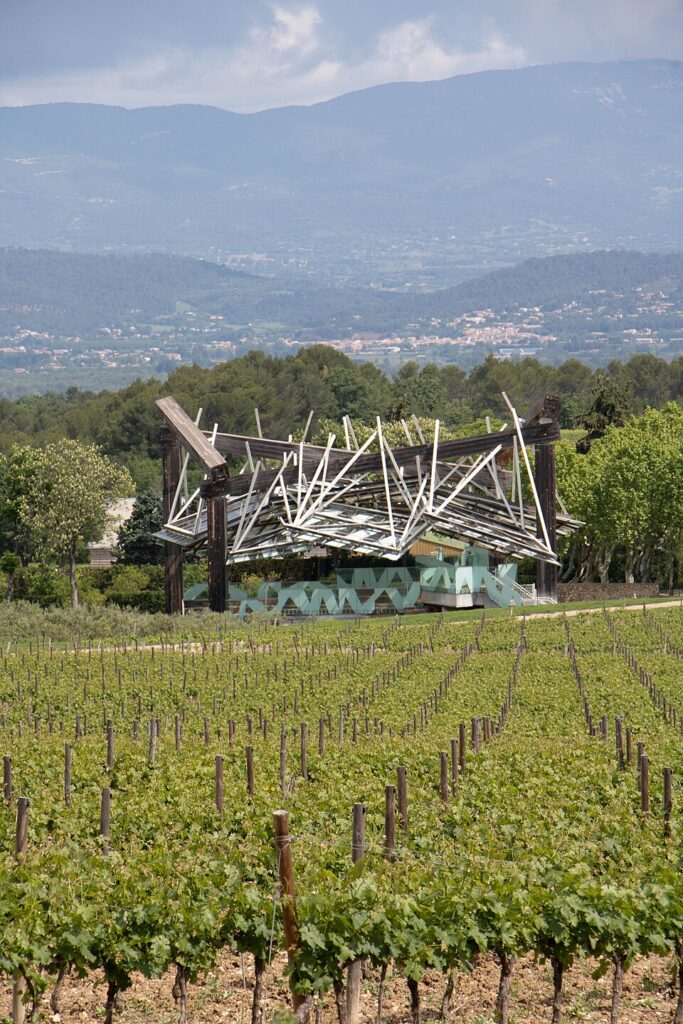
Château La Coste Pavillon de Musique, Le Puy-Sainte-Réparade, France (2008)
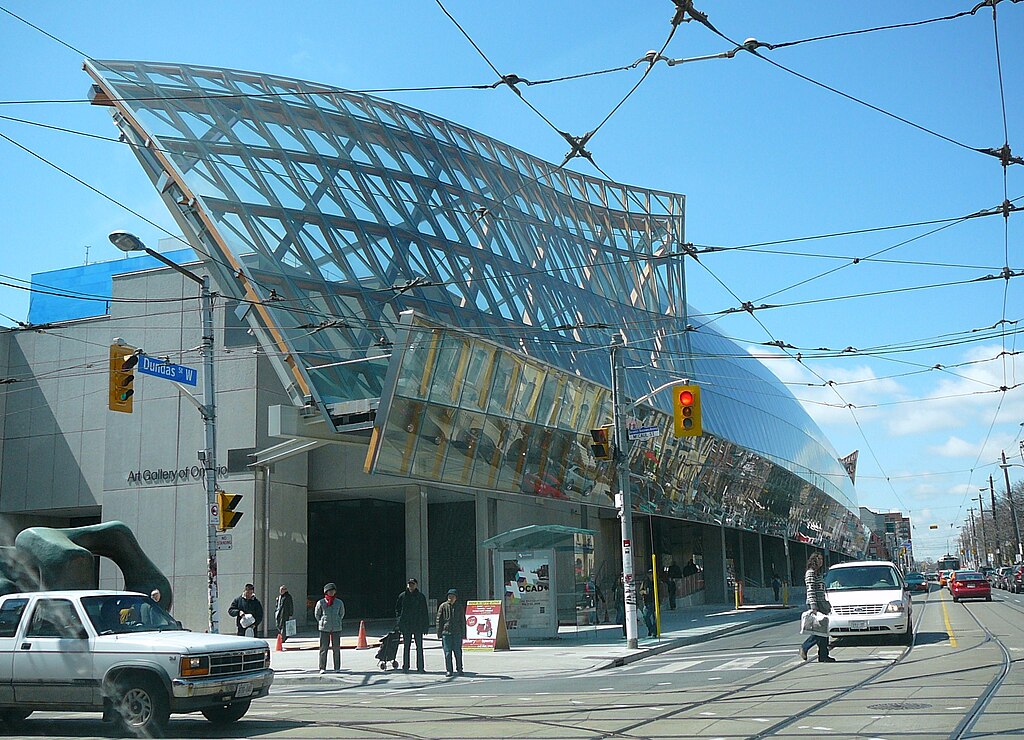
Art Gallery of Ontario, Toronto, Ontario, Canada (2004-2008)
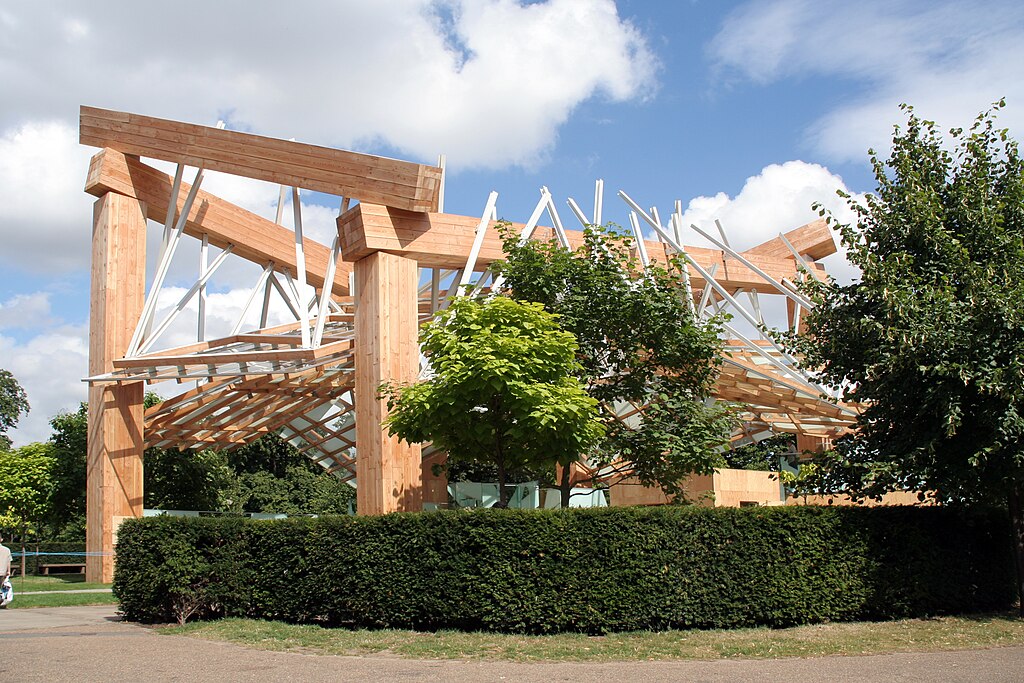
Serpentine Gallery Pavilion, London, UK (2008)
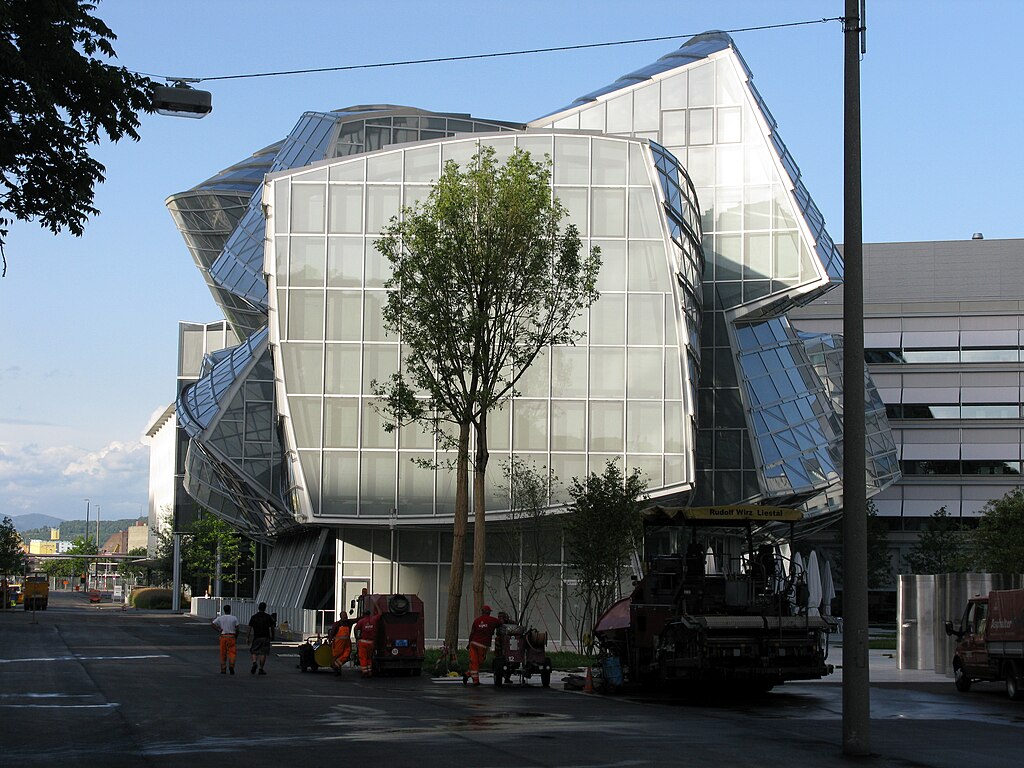
Novartis Campus, Basel, Switzerland (2007-2009)
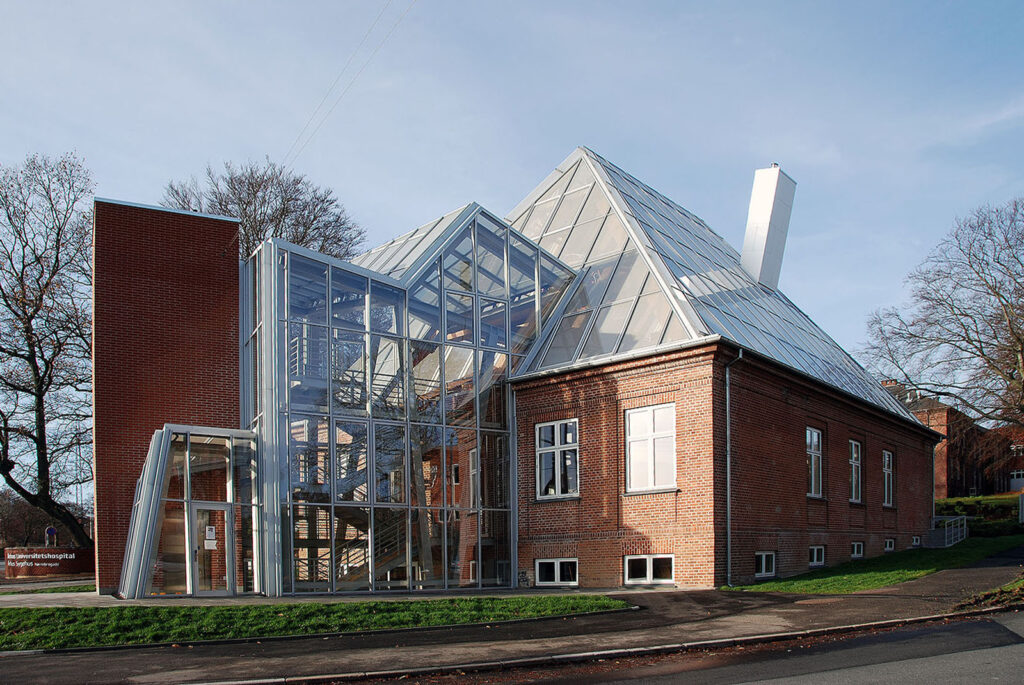
Danish Cancer Society Hejmdal Counseling Center, Aarhus, Denmark (2008-2009)
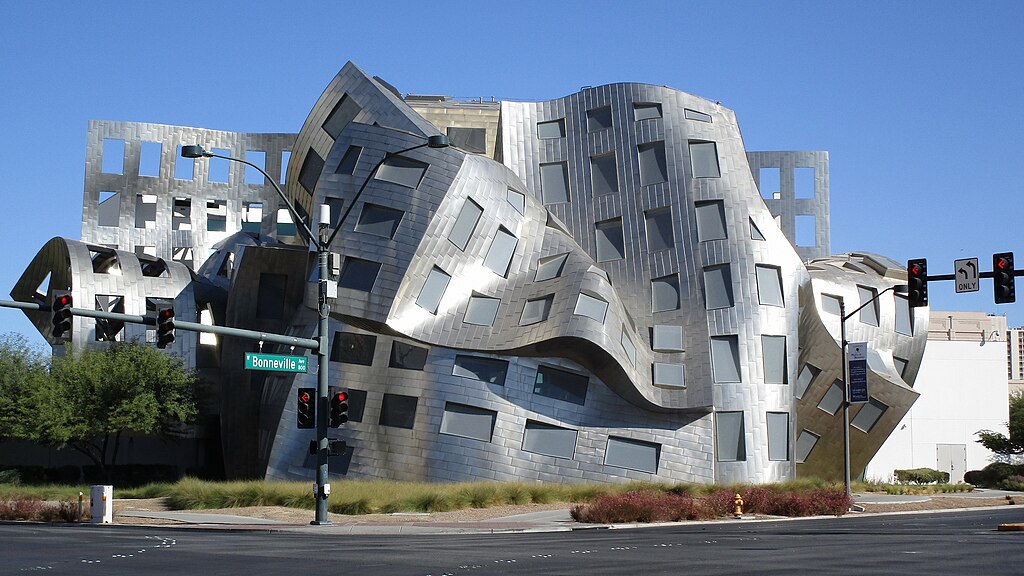
Cleveland Clinic Lou Ruovo Center for Brain Health, Las Vegas, Nevada (2007-2010)
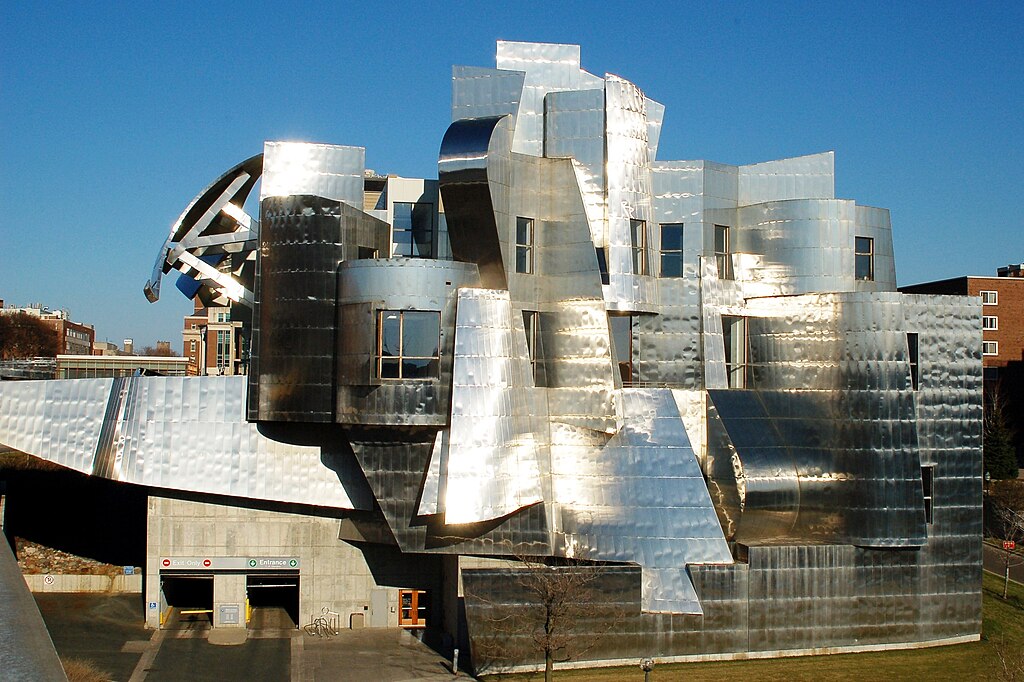
University of Minnesota Weisman Museum of Art, Minneapolis, Minnesota (1993, 2011)
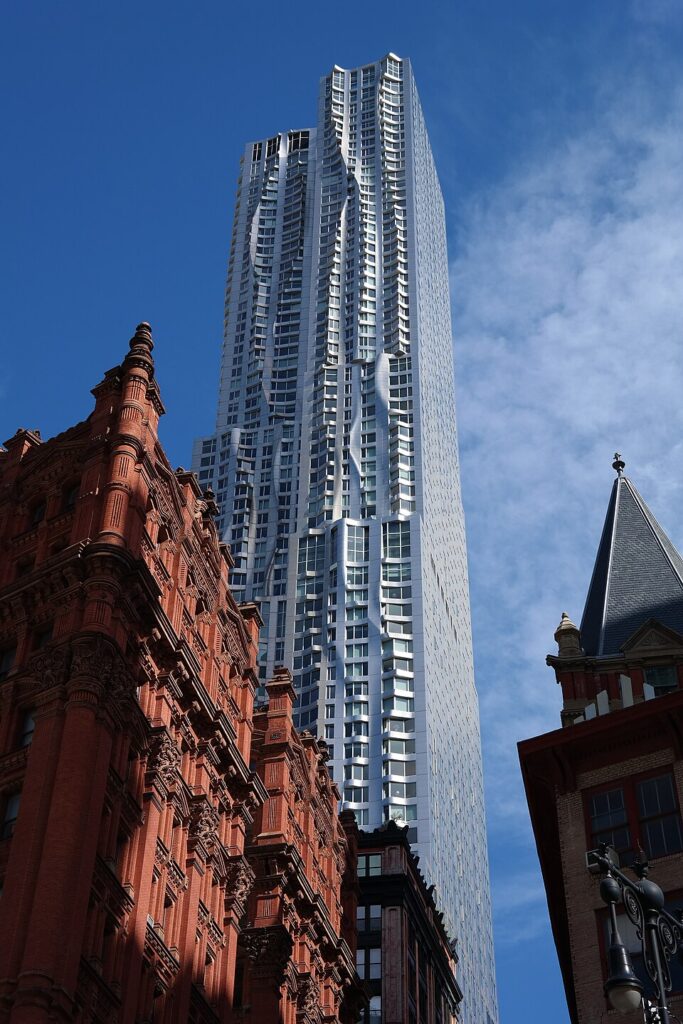
8 Spruce Street, New York City, New York (2006-2011)
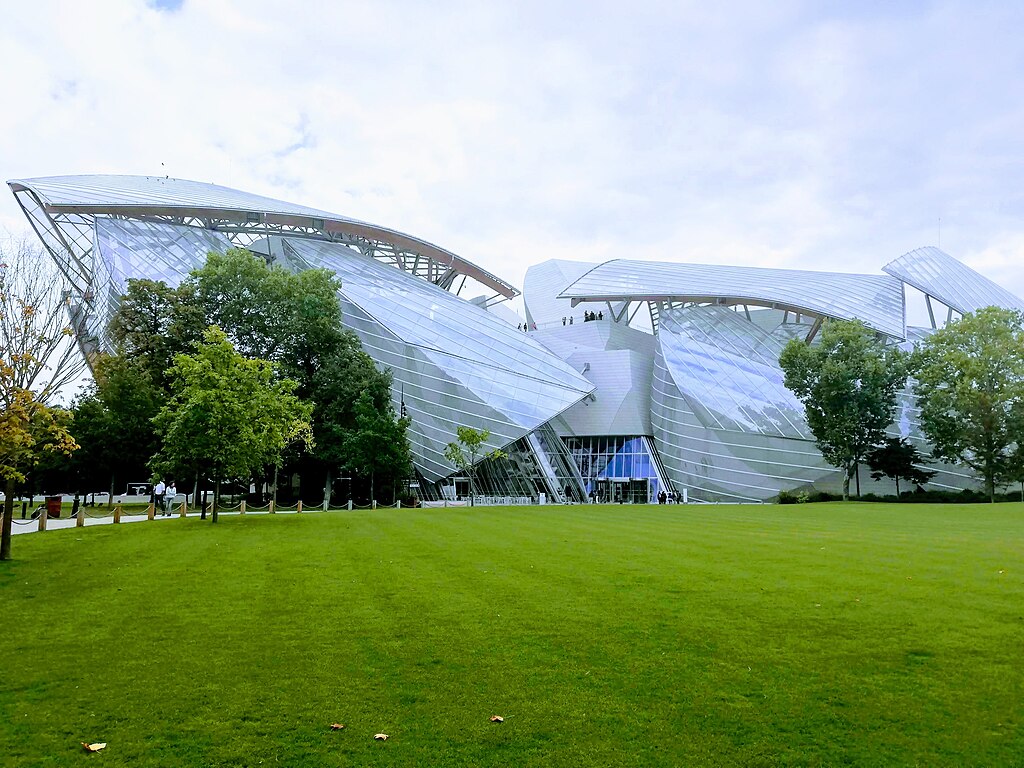
Foundation Louis Vuitton, Paris, France (2014)
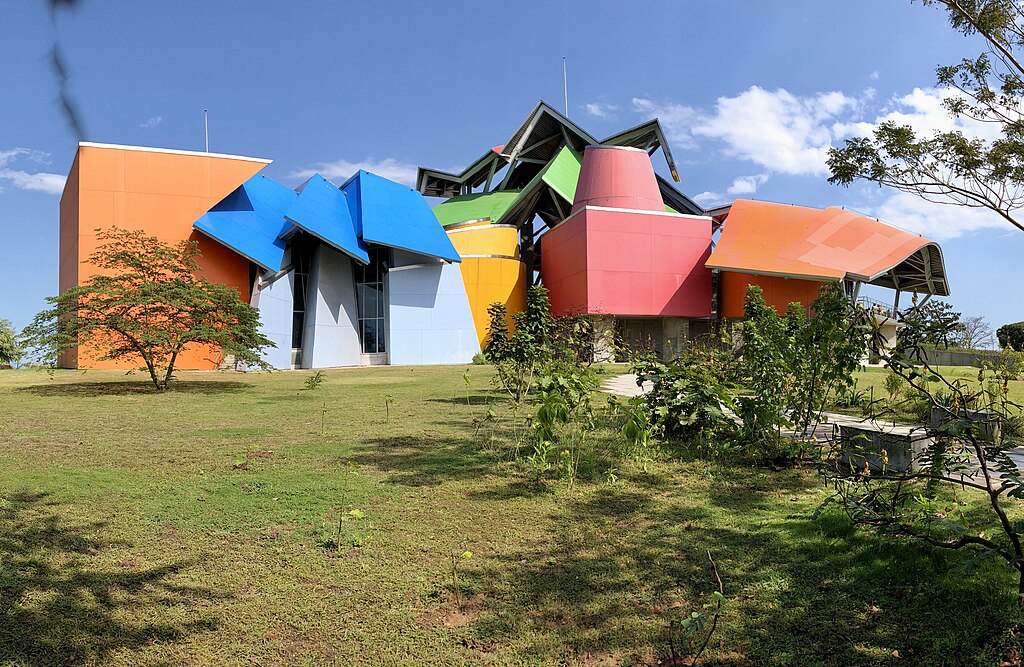
Biomuseo of Panama, Panama City, Panama (2014)
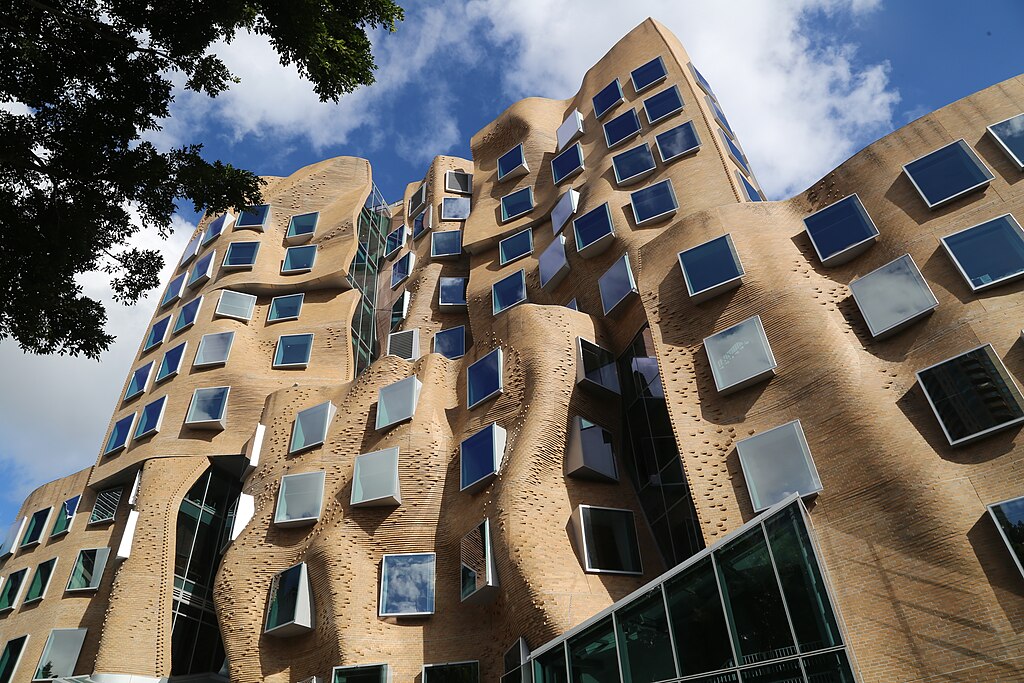
University of Technology Sydney Dr. Chau Chak Wing, Sydney, Australia (2014-2015)
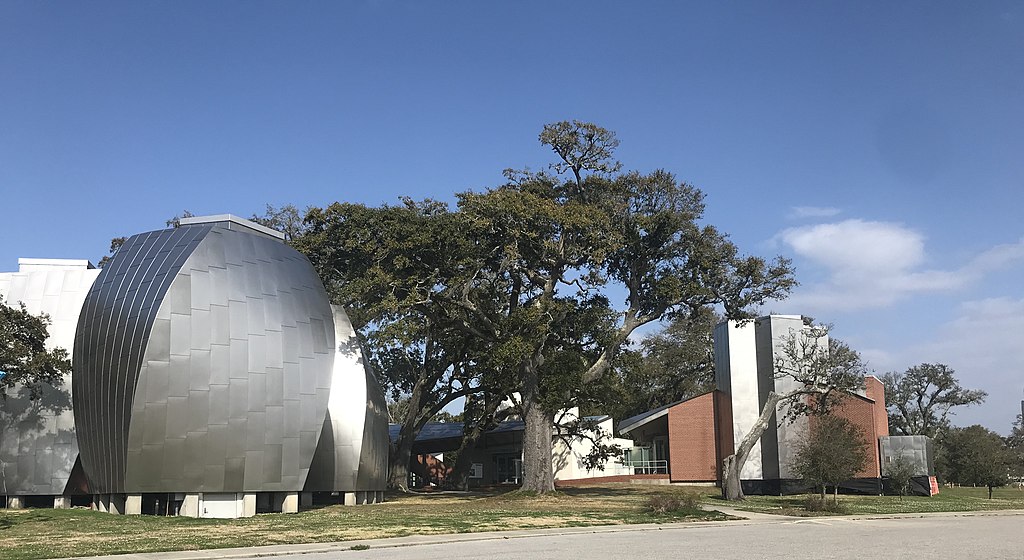
Ohr-O’Keefe Museum of Art, Biloxi, Mississippi (2003-2025)
Frank O. Gehry is a towering figure in modern architecture, known for his groundbreaking and innovative designs that have redefined the boundaries of the discipline. Born on February 28, 1929, in Toronto, Canada, Gehry moved to Los Angeles with his family in 1947, where he later studied at the University of Southern California and Harvard University.
Gehry’s architectural style is often described as Deconstructivist, a movement characterized by fragmentation and a distorting of traditional architectural elements. His designs are known for their dynamic and sometimes whimsical forms, often incorporating unexpected materials. Gehry’s approach to architecture is deeply personal, reflecting his belief in the importance of creating spaces that evoke emotional responses.
One of Gehry’s most famous works is the Guggenheim Museum in Bilbao, Spain, completed in 1997. This building is a hallmark of contemporary architecture, renowned for its innovative use of materials like titanium and its fluid, sculptural form that starkly contrasts with the urban landscape. The museum not only became a celebrated architectural landmark but also helped to revitalize the city of Bilbao, exemplifying the power of architecture in urban development.
Throughout his career, Gehry has received numerous awards and honors, including the Pritzker Architecture Prize in 1989, which is often referred to as the Nobel Prize of architecture. His other notable works include the Walt Disney Concert Hall in Los Angeles, the Fondation Louis Vuitton in Paris, and the MIT Ray and Maria Stata Center in Cambridge, Massachusetts.
Gehry’s impact on modern architecture is profound. His innovative use of technology, materials, and form has challenged conventional notions of what buildings can and should be. His work continues to inspire architects and designers around the world, making him a pivotal figure in the field of modern architecture.