Kenzō Tange

Born: 1913 | Sakai, Japan

Died: 2005 | Tokyo, Japan

Practice: Tange Associates, Tange Laboratory, Kenzo Tange Urban & Architectural Design Institute

Awards: RIBA Royal Gold Medal (1965), AIA Gold Medal (1966), Pritzker Prize (1987), Praemium Imperiale (1993)

Projects: Hiroshima Peace Memorial Park, Tokyo Cathedral, Yoyogi National Gymnasium, Minneapolis Institute of Art Expansion, Supreme Court of Pakistan Building


Hiroshima Peace Park, Naka-ku, Hiroshima City, Japan (1950-1955)
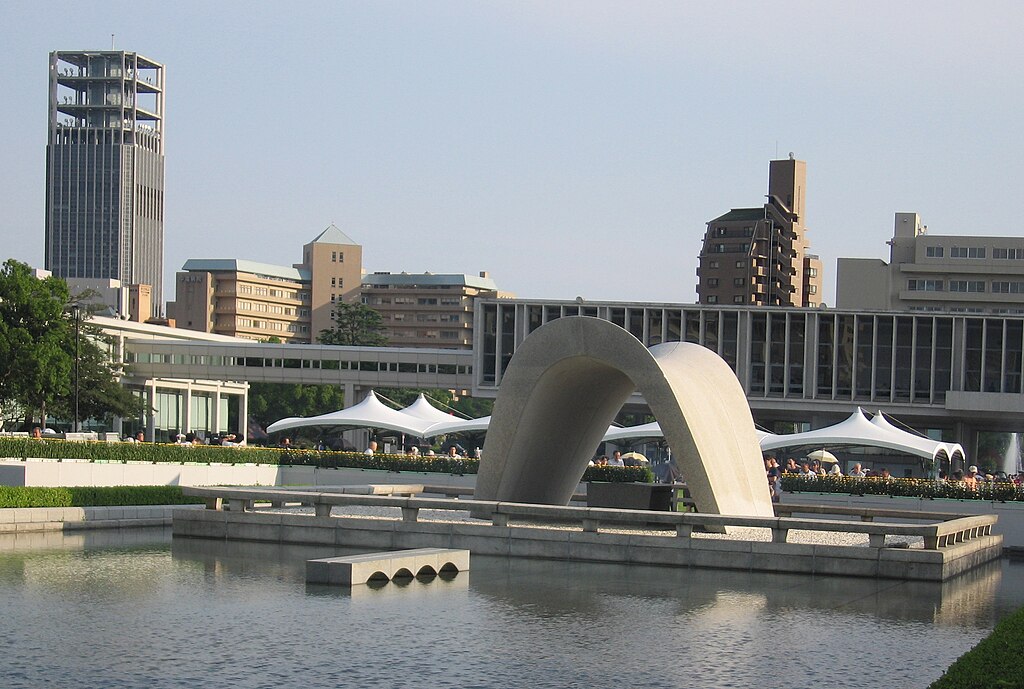
Hiroshima Peace Park by Kenzō Tange © Netherzone CC BY-SA 4.0 via Wikimedia Commons

St Mary’s Cathedral, Bunkhyo City, Tokyo, Japan (1964)
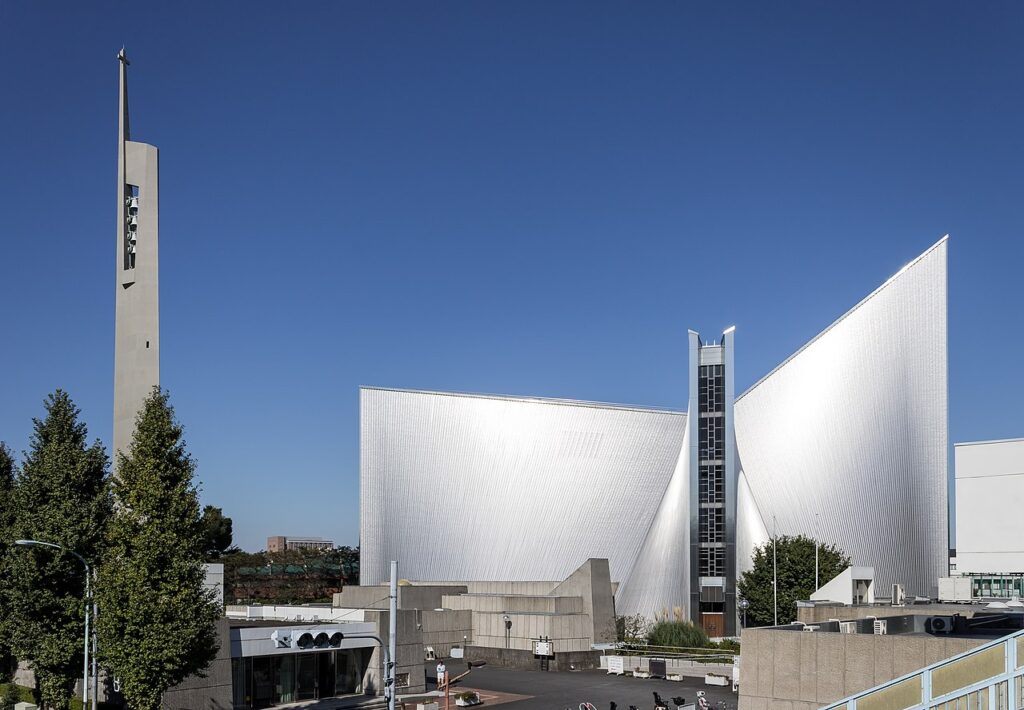
St Mary’s Cathedral by Kenzō Tange © Kakidai CC BY-SA 4.0 via Wikimedia Commons

Takamatsu Arena, Takamatsu, Kagawa Prefecture, Japan (1962-1964)
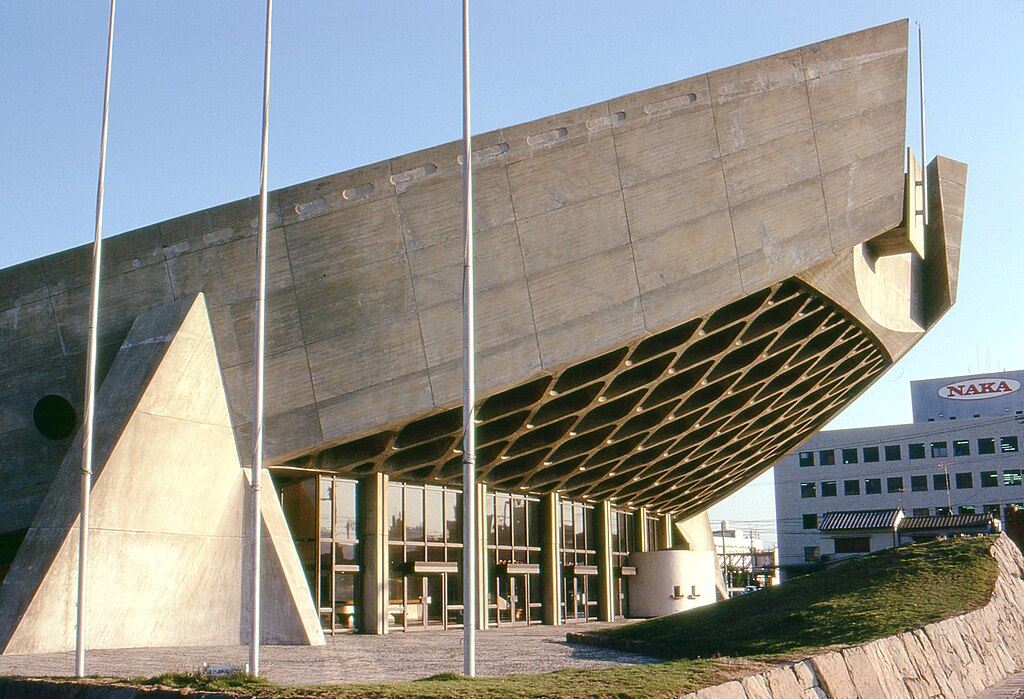
Takamatsu Arena by Kenzō Tange photo by Bigjap (public domain) by Wikimedia Commons

Yoyogi National Gymnasium, Shibuya, Tokyo, Japan (1961-1964)
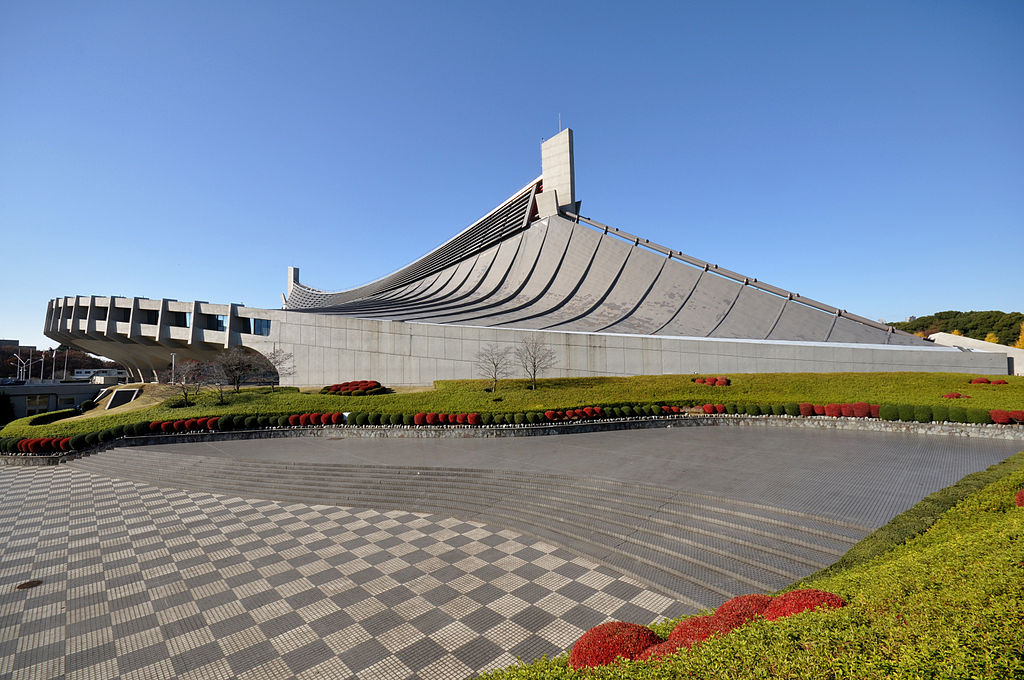
Yoyogi National Gymnasium by Kenzō Tange © kanegen CC BY-SA 2.0 via Wikimedia Commons

Shizuoka Press and Broadcasting Center, Tokyo, Japan (1967)
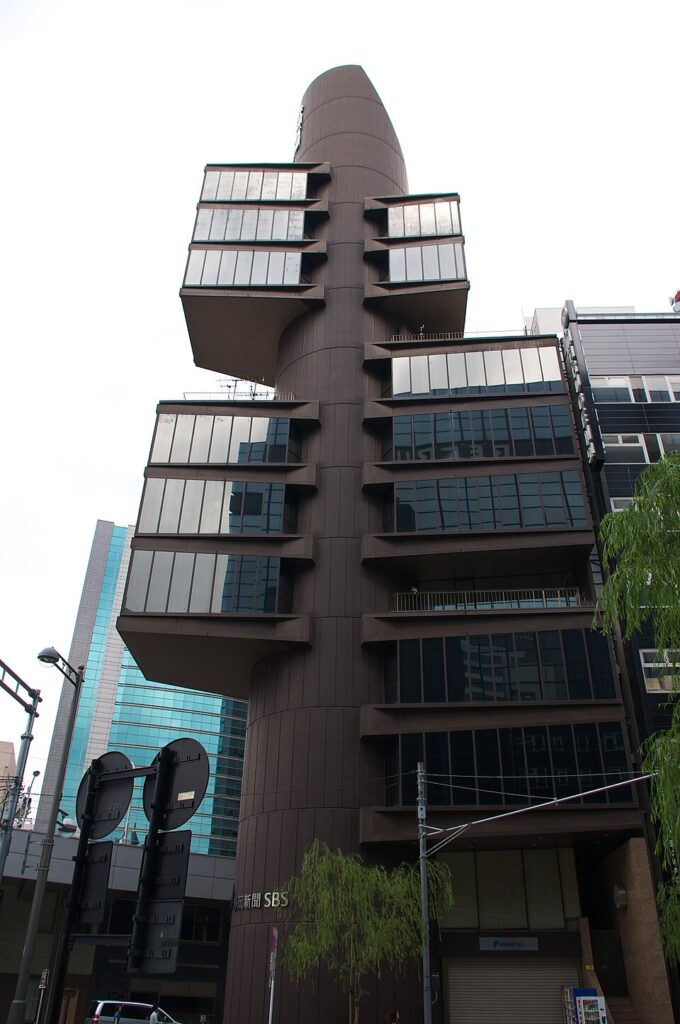
Shizuoka Shimbun Building by Kenzō Tange © DaraKero F CC BY-SA 2.0 via Wikimedia Commons

Memorial Hall for Students Who Perished in the War, Awaji Island, Hyogo, Japan (1966-1967)
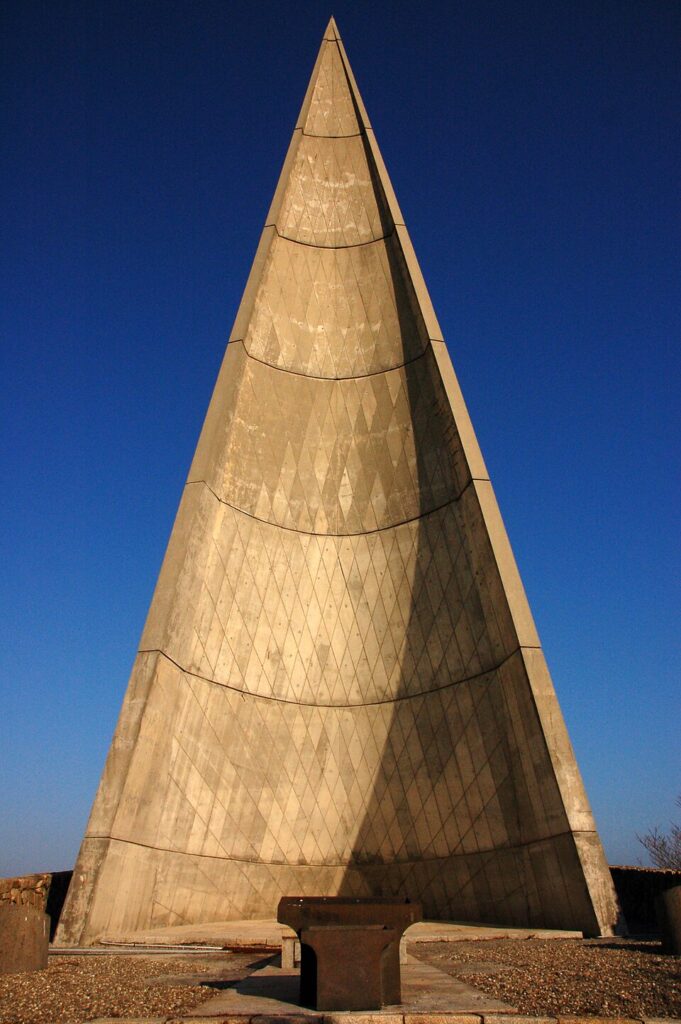
Memorial Hall for Students by Kenzō Tange © m Louis CC BY-SA 2.0 via Wikimedia Commons

Embassy of Kuwait, Tokyo, Japan (1966-1970)
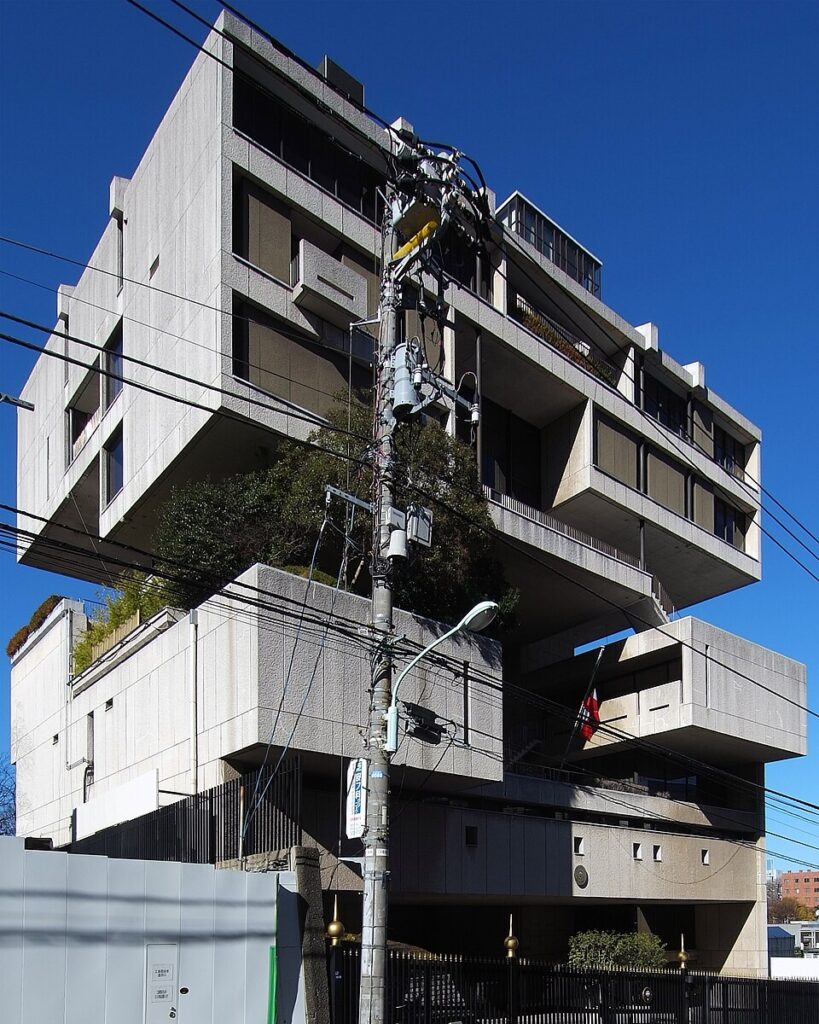
Kuwait Embassy by Kenzō Tange © Wiiii CC BY-SA 3.0 via Wikimedia Commons

Minneapolis Arts Institute Expansion, Minneapolis, Minnesota (1972-1974)
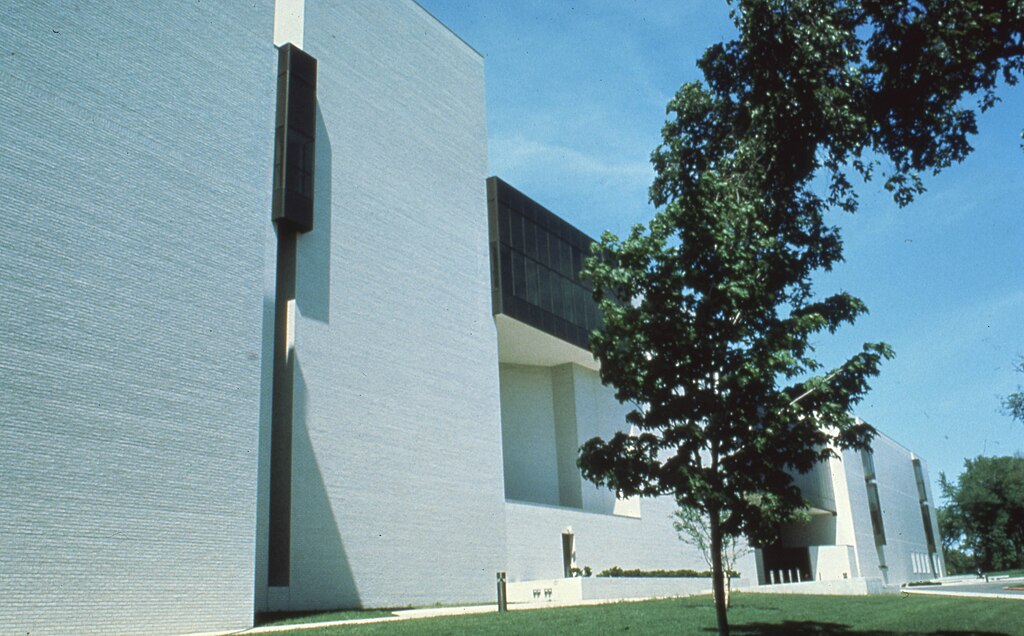
Minneapolis Arts Institute by Kenzō Tange © City of Minneapolis Archives CC BY-SA 2.0 via Wikimedia Commons

University Tokyo Administration Bureau Building 1, Bunkyo City, Tokyo (1979)
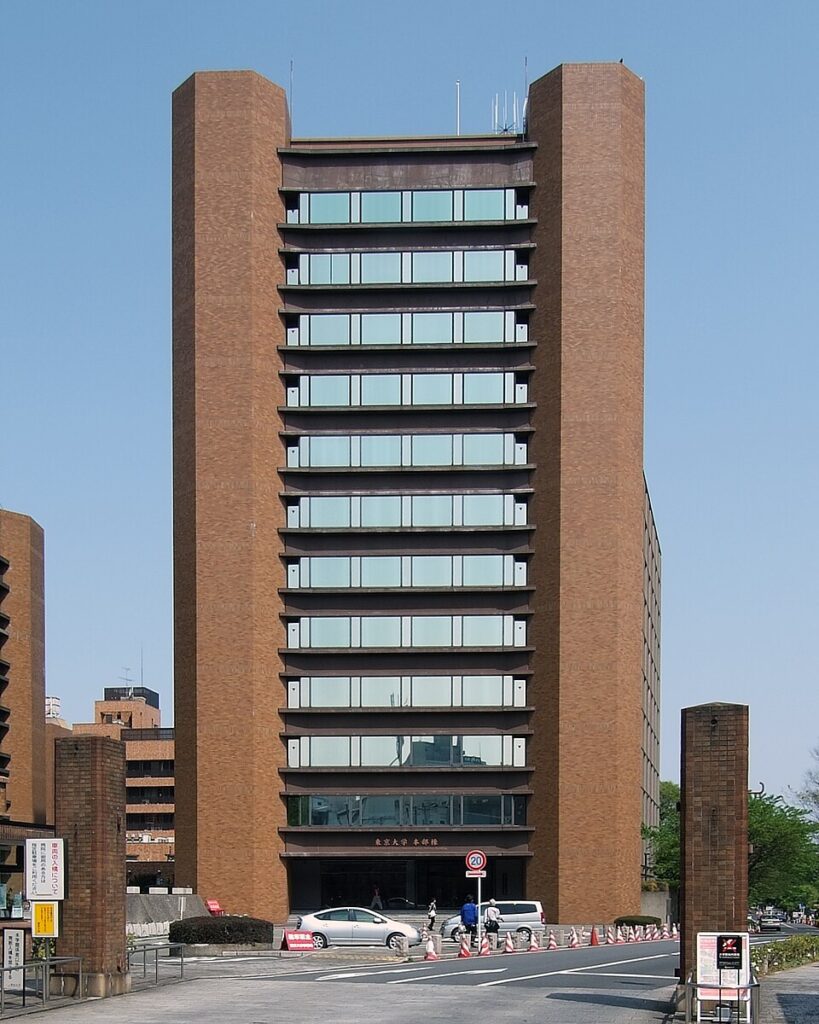
Tokyo University Tatsuoka Gate by Kenzō Tange © Wiiii CC BY-SA 3.0 via Wikimedia Commons

Toin Gakuen, Yokohama, Kanagawa Prefecture, Japan (1985)
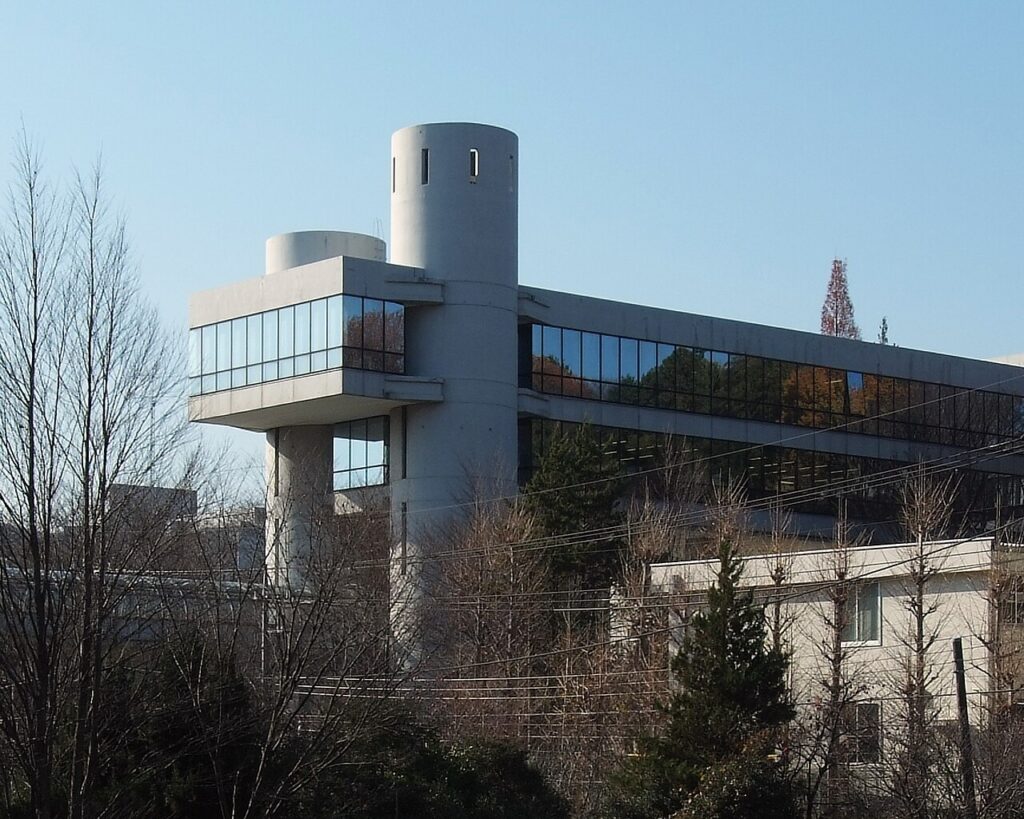
Toin Gakuen by Kenzō Tange © Wiiii CC BY-SA 3.0 via Wikimedia Commons

Yokohama Art Museum, Minato, Yokohama, Japan (1989)
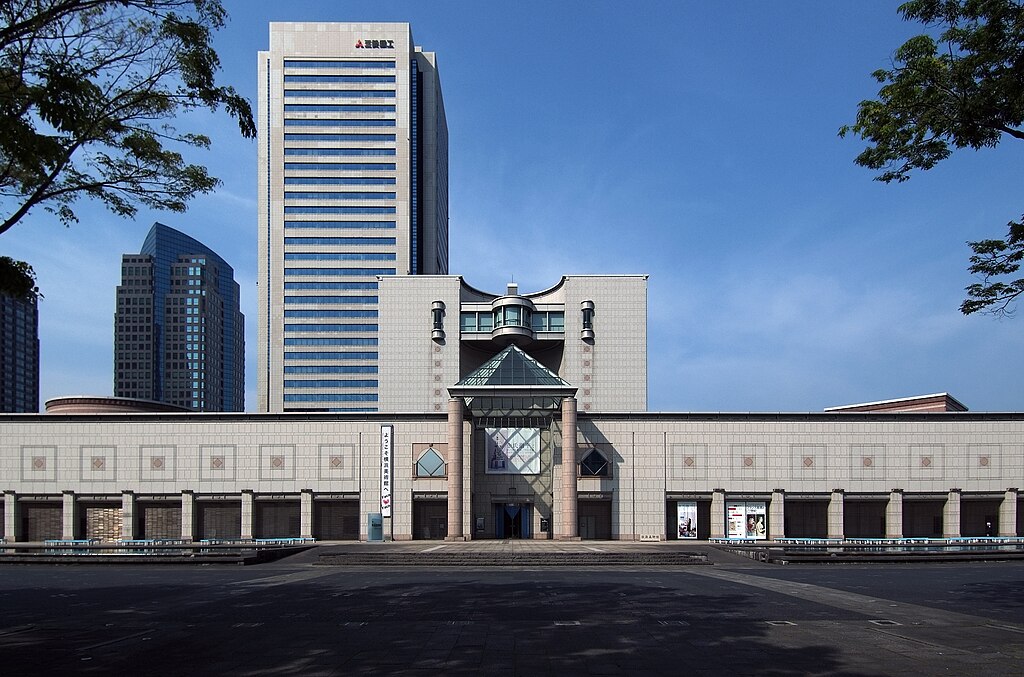
Yokohama Art Museum by Kenzō Tange © Wiiii CC BY-SA 3.0 via Wikimedia Commons

Tokyo Metropolitan Government, Tokyo, Japan (1998-1990)
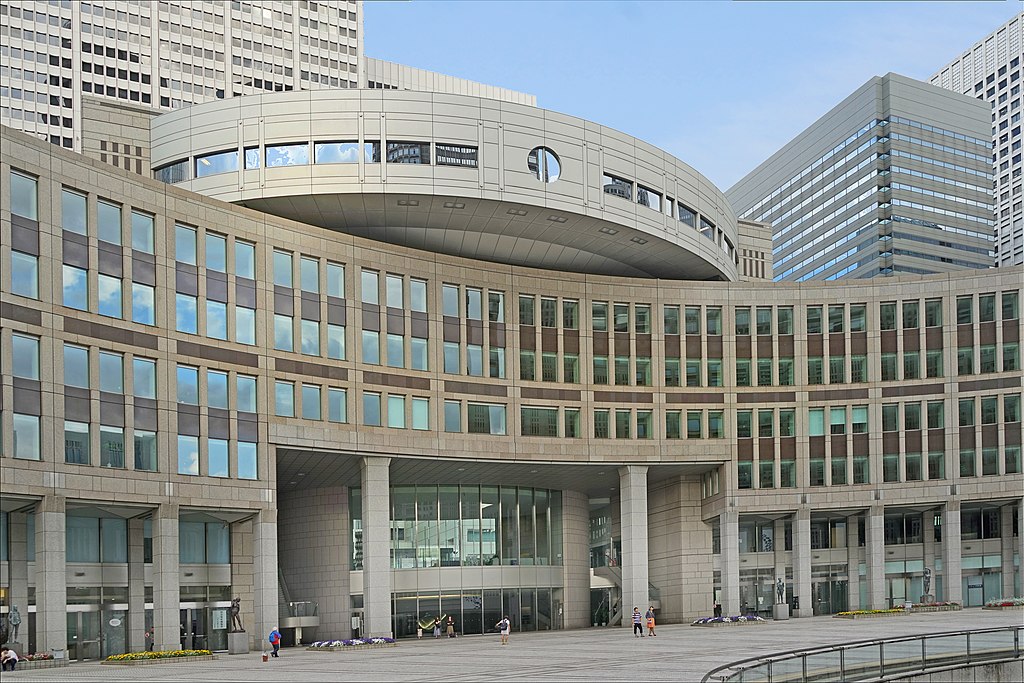
Tokyo Metropolitan Government by Kenzō Tange © Jean-Pierre Dalbéra CC BY-SA 2.0 via Wikimedia Commons

Grand Ecran Italie, Paris, France (1989-1992)
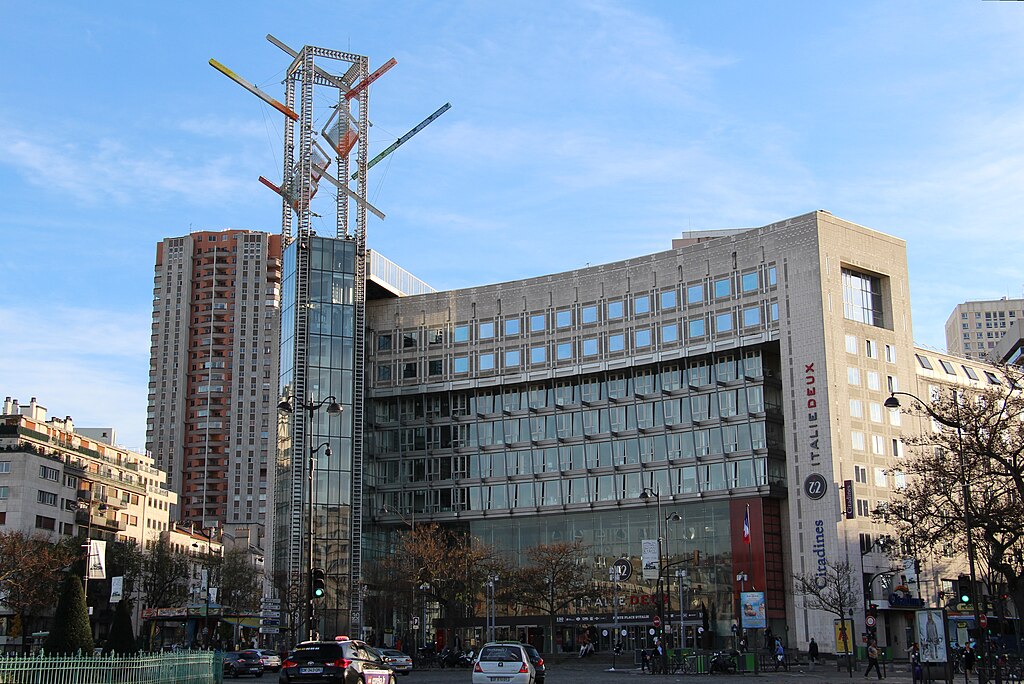
Grand Ecran Italie by Kenzō Tange © Fred Romero CC BY-SA 2.0 via Wikimedia Commons

United Nations University Headquarters, Tokyo, Japan (1992)
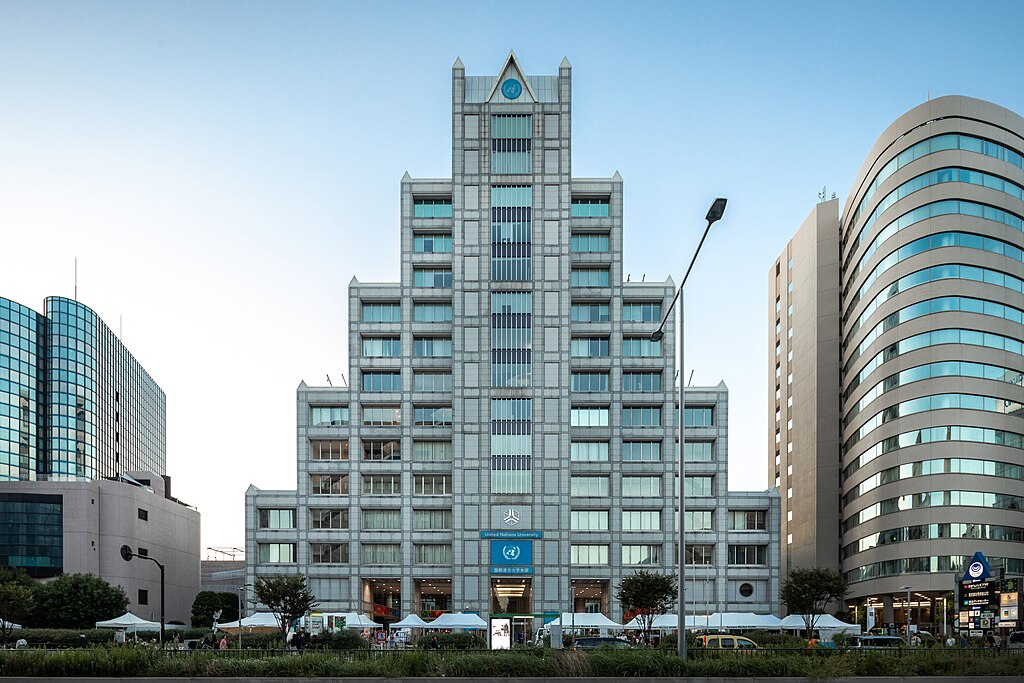
United Nations University Headquarters by Kenzō Tange © Supanut Arunoprayote CC BY-SA 4.0 via Wikimedia Commons

Fuji Television Headquarters, Tokyo, Japan (1993-1996)
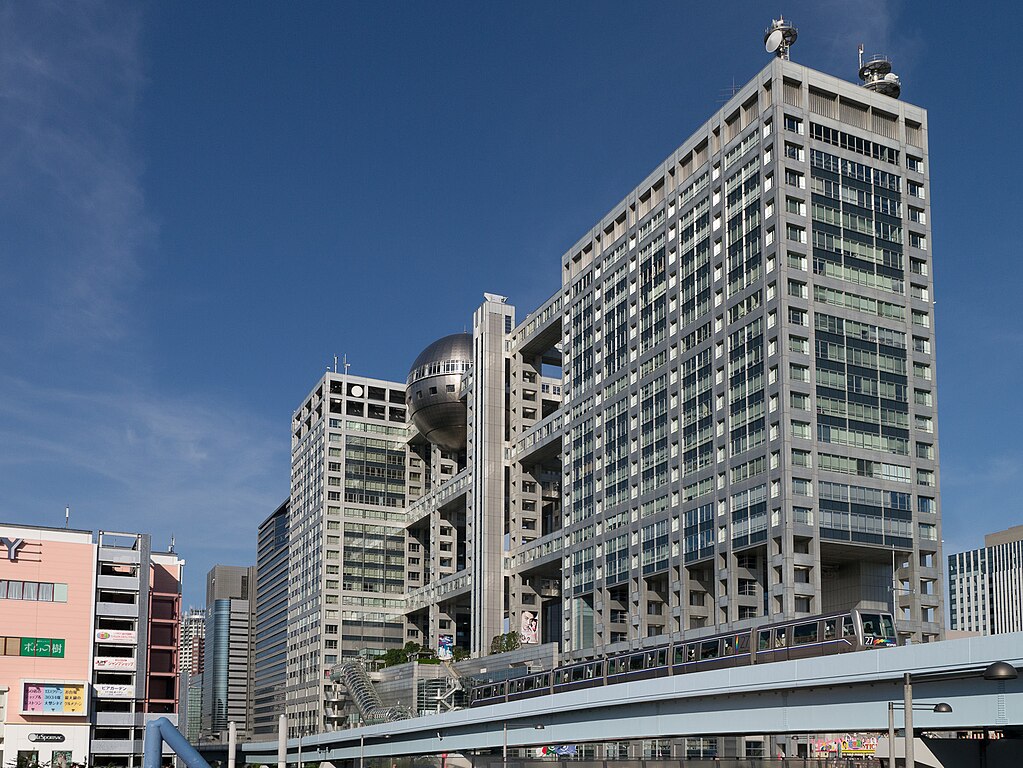
Fuji Television Headquarters by Kenzō Tange © Rs1421 CC BY-SA 3.0 via Wikimedia Commons

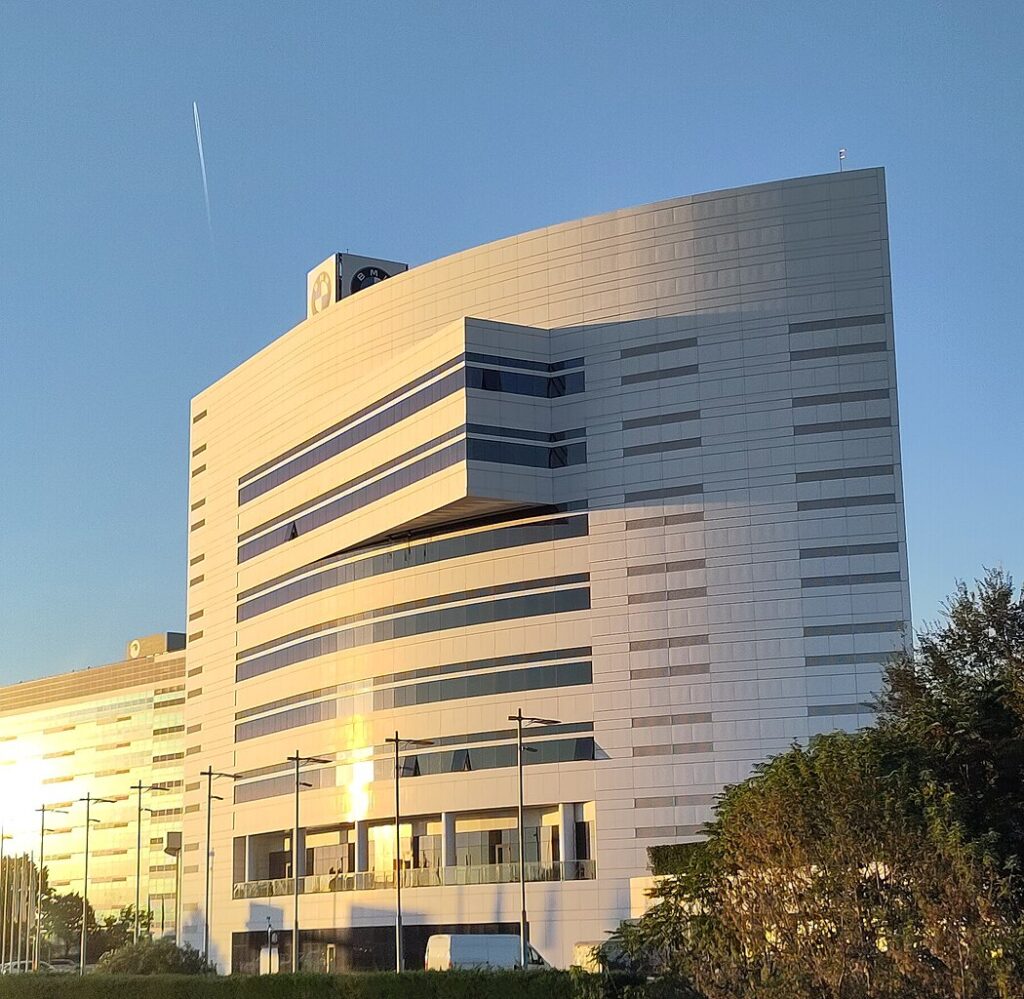
Palazzo BMW, Milan, Italy (1998)

Palazzo BMW by Kenzō Tange © Marcuscalabresus CC BY-SA 4.0 via Wikimedia Commons

Tokyodome Hotel, Tokyo, Japan (1997-2000)
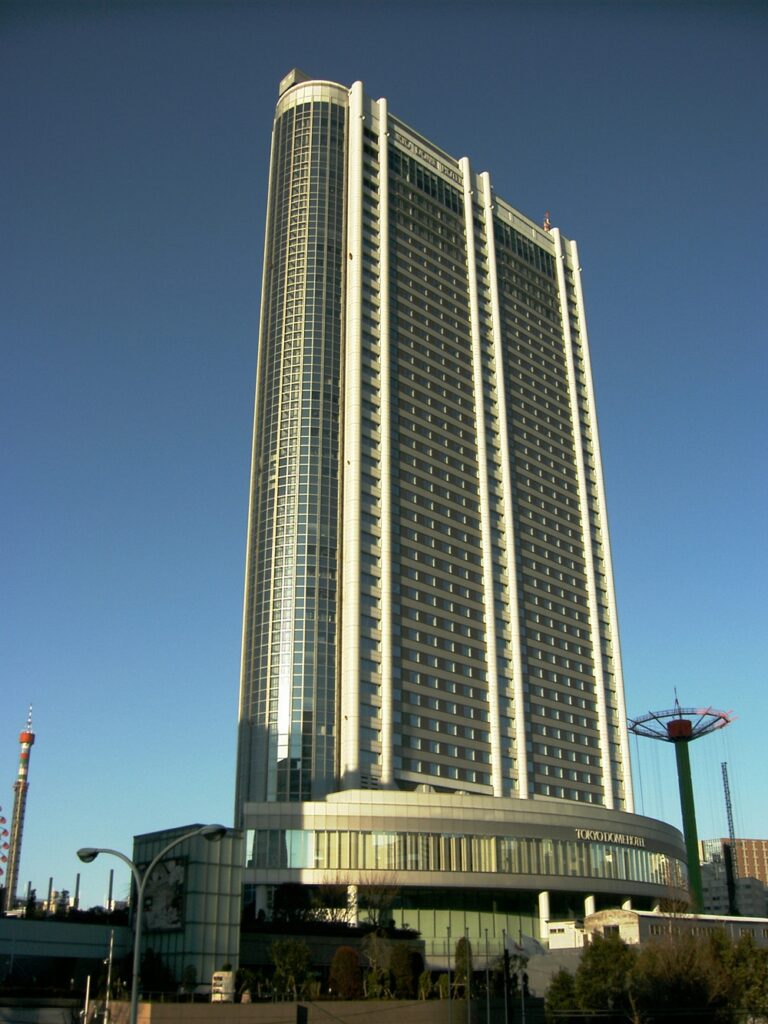
Tokyodome Hotel by Kenzō Tange © Kure CC BY-SA 2.5 via Wikimedia Commons

Mode Gakuen Cocoon, Tokyo, Japan (2006-2008)
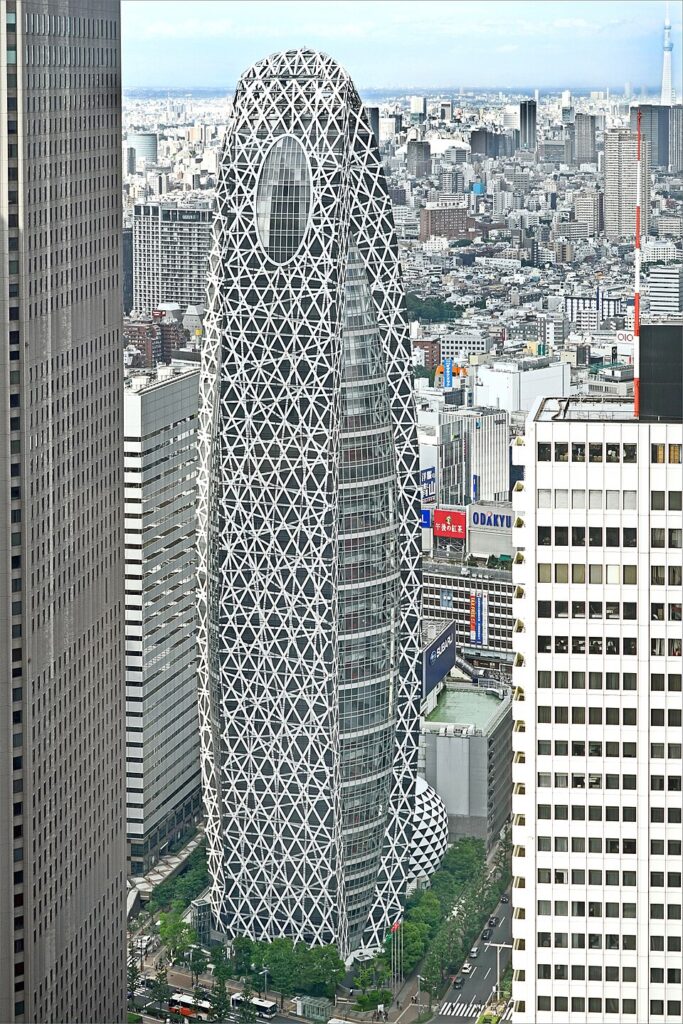
Mode Gakuen Cocoon by Kenzō Tange © Jean-Pierre Dalbéra CC BY-SA 2.0 via Wikimedia Commons

Kenzō Tange (1913–2005) was a pivotal figure in the world of modern architecture, whose innovative designs and visionary ideas left an indelible mark on the landscape of post-war Japan and the global architectural scene. Born in Osaka, Japan, Tange’s early life was marked by the cultural and economic changes sweeping through Japan in the early 20th century. He pursued architecture at the University of Tokyo, where he was deeply influenced by traditional Japanese architecture and the modernist teachings of his professors.

Tange’s career took off in the aftermath of World War II, a period when Japan was undergoing significant reconstruction. His designs from this era, notably the Hiroshima Peace Memorial Park and the Hiroshima Peace Memorial Museum, are remarkable for their synthesis of modernist principles and traditional Japanese aesthetics. These works not only embodied a sense of rebirth and hope but also established Tange as a leading figure in the Metabolist movement, which he co-founded. This movement sought to create buildings and urban structures that were adaptable, organic, and symbolic of Japan’s rapid economic growth and technological advancement.

Throughout the 1960s and 1970s, Tange’s work evolved, showcasing his flair for innovative use of materials and his commitment to blending space, technology, and culture. Notable projects like the Yoyogi National Gymnasium for the 1964 Tokyo Olympics and the Osaka Expo ’70 Pavilion exemplified his unique style, which often featured bold, sweeping forms and a futuristic outlook.

Tange’s influence extended beyond Japan; his ideas and designs had a global impact, inspiring a generation of architects. He was not only an architect but also an urban planner, and his plans for Tokyo in the 1960s were particularly influential. His vision for the city was characterized by high-rise, interconnected buildings designed to manage population growth and urban sprawl, reflecting his belief in the need for architecture to respond to social and environmental challenges.

Throughout his career, Tange received numerous accolades, including the prestigious Pritzker Architecture Prize in 1987. His legacy continues to be celebrated for its contribution to the development of modern architecture in Japan and around the world. Tange’s work remains a testament to the power of architecture in shaping the identity of cities and cultures, blending the past with the future in dynamic, innovative ways.